Feral cats likely kill far more Australian native animals than we thought: first DNA analysis
We cannot fence the whole of Australia. Therefore, we need to know which species are most at risk from cats.
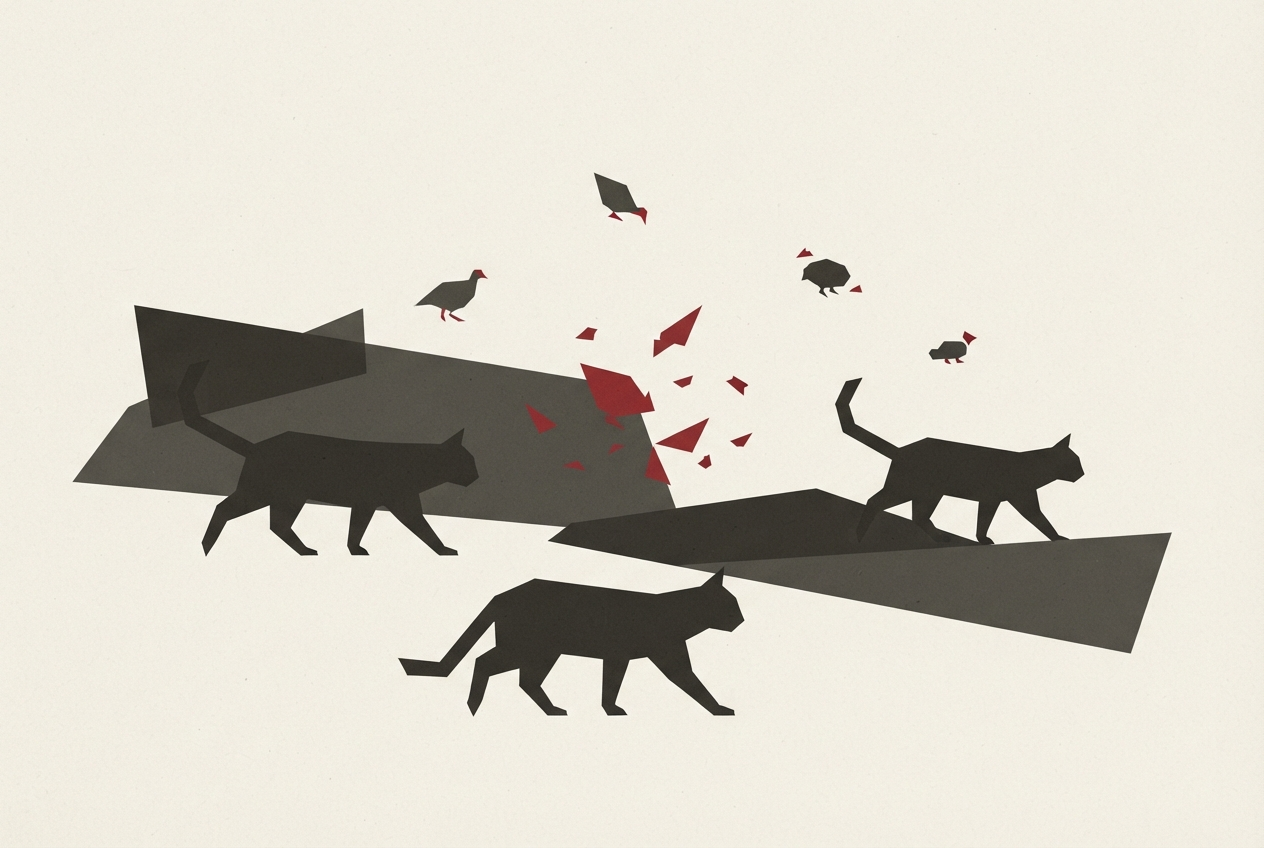
Australia's unique wildlife faces an alarming threat from feral cats, with new research suggesting these cats may be killing far more native animals than previously thought. Utilizing a groundbreaking DNA analysis, scientists have discovered that traditional methods of studying cat diets, such as examining stomach contents and scat samples, may significantly underestimate the actual number of native animals consumed by feral cats.
The study, led by Katherine Moseby, a researcher at the University of New South Wales, analyzed the stomach contents of feral cats culled around Wild Deserts, a conservation reserve in New South Wales. By employing DNA metabarcoding, a method that identifies unique genetic barcodes from animal DNA, the researchers were able to detect twice as many mammal species and three times as many bird species compared to traditional manual detection methods.
Interestingly, the DNA analysis did not detect any microbats, which aligns with previous research indicating that cats generally consume rodents and other small mammals, while bats are likely a sporadic food source for cats. However, the findings highlight the critical role that feral cats play in the decline of Australia's native wildlife, particularly for rare and threatened species that are difficult to detect.
The results emphasize the urgent need for targeted conservation efforts, such as predator-free fenced reserves, to protect the most vulnerable species from the devastating impact of feral cats. As conservationists move towards rewilding Australia by releasing native animals beyond fenced reserves, the use of DNA analysis alongside traditional methods will be crucial in accurately assessing the impact of cats and other invasive predators on Australia's fragile ecosystems.
Written by urgent.news from The Conversation AU's reporting — not their text. Machine-written — may contain errors; check the original before relying on it.