Federal workers sour on government work, decrying eroding job security
Nearly two-thirds of current and retired U.S. government workers said they wouldn't re-enter public service, according to a recent survey.
Nearly two-thirds of U.S. federal employees surveyed said they would not re-enter public service, citing dwindling job security and benefits, according to a recent poll by the National Active and Retired Federal Employees Association (NARFE). The survey found that concerns about the current federal environment, rather than dissatisfaction with their chosen careers, drove these views.
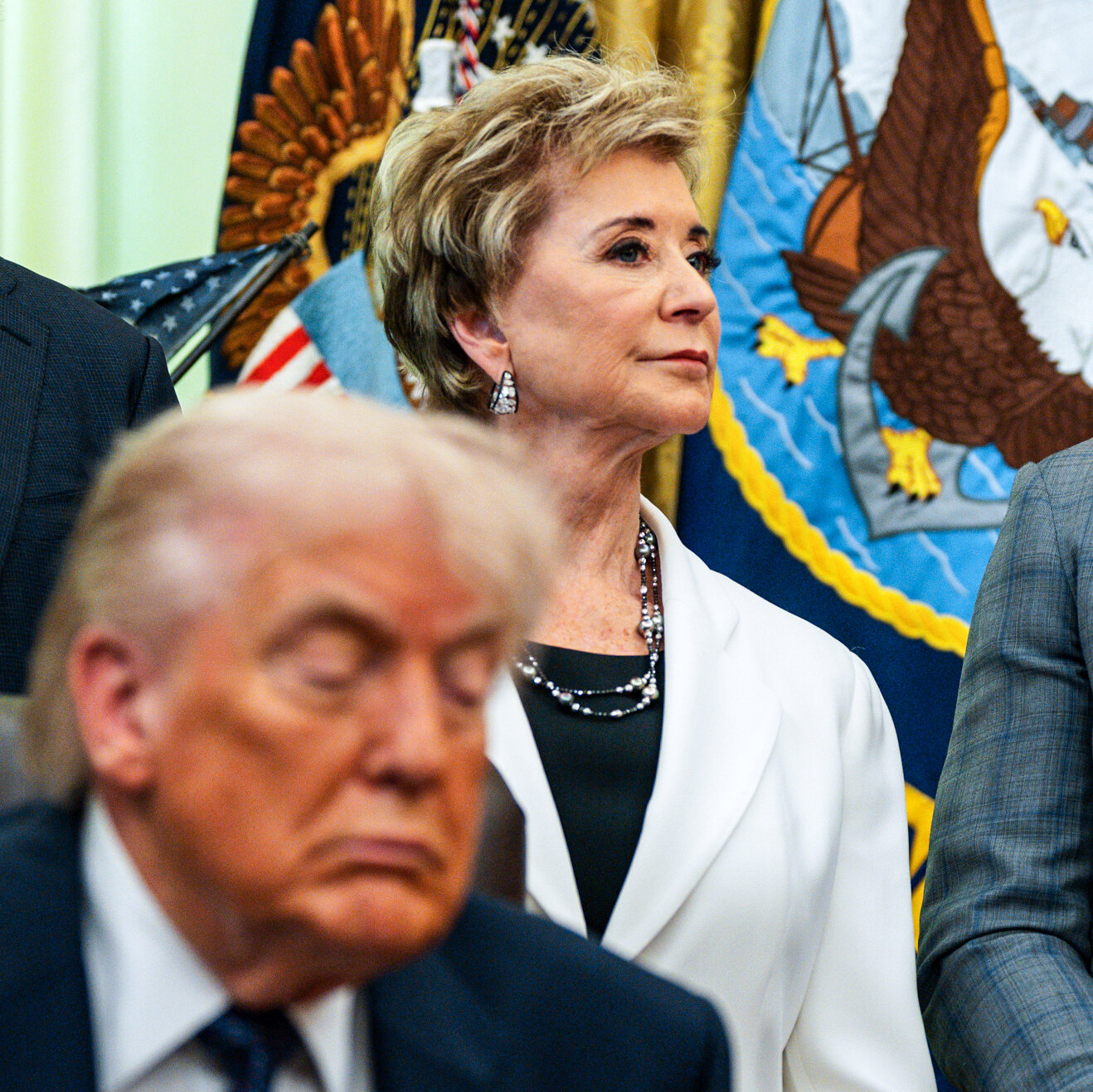
The Trump administration has implemented significant cuts to the federal workforce through job eliminations and weakened civil service protections. In 2025, the White House issued executive orders aimed at reducing government employment, including a hiring freeze for civilian staff and directives for agencies to decrease their personnel.
President Trump has expressed concerns about the size of government, advocating for its reduction and increased efficiency. Workers' perceptions of public-sector roles also reflect the challenges they experienced during the 43-day government shutdown in late 2025, the longest such impasse in recent U.S. history. Essential workers, such as air traffic controllers, were required to work without pay, while others faced furloughs.
One government worker expressed frustration, stating that the first months of the current administration marked the worst period in their career, with a hostile, under-resourced, and disrespectful work environment. Another respondent lamented the loss of respect and protections. John Hatton, vice president of policy and programs at NARFE, noted that the draw of federal service is often the opportunity to serve a nonpartisan mission professionally, but the erosion of nonpartisan, professional service is evident.
To attract skilled professionals, Hatton suggested that enticing incentives, such as higher pay, may be necessary. Federal employees with a bachelor's degree, accounting for about one-third of the workforce, earn approximately 10% less than comparable private-sector workers, while those with professional degrees or doctorates earn nearly 30% less, according to a 2024 Congressional Budget Office report.
If government jobs no longer offer job security, they may become less appealing than private-sector alternatives, potentially hindering recruitment efforts, Hatton warned. Public-sector jobs were once viewed as offering a balance of security and the chance to contribute to a mission, but this balance is eroding, according to Hatton.
Written by urgent.news from CBS News's reporting — not their text. Machine-written — may contain errors; check the original before relying on it.