Factories in China and Euro zone faced weaker demand, higher costs in July as Iran war grinds on
China's new orders growth slowed to its weakest since January, while euro zone manufacturing PMI rose to its highest since April, though the sector remained weak despite gains.
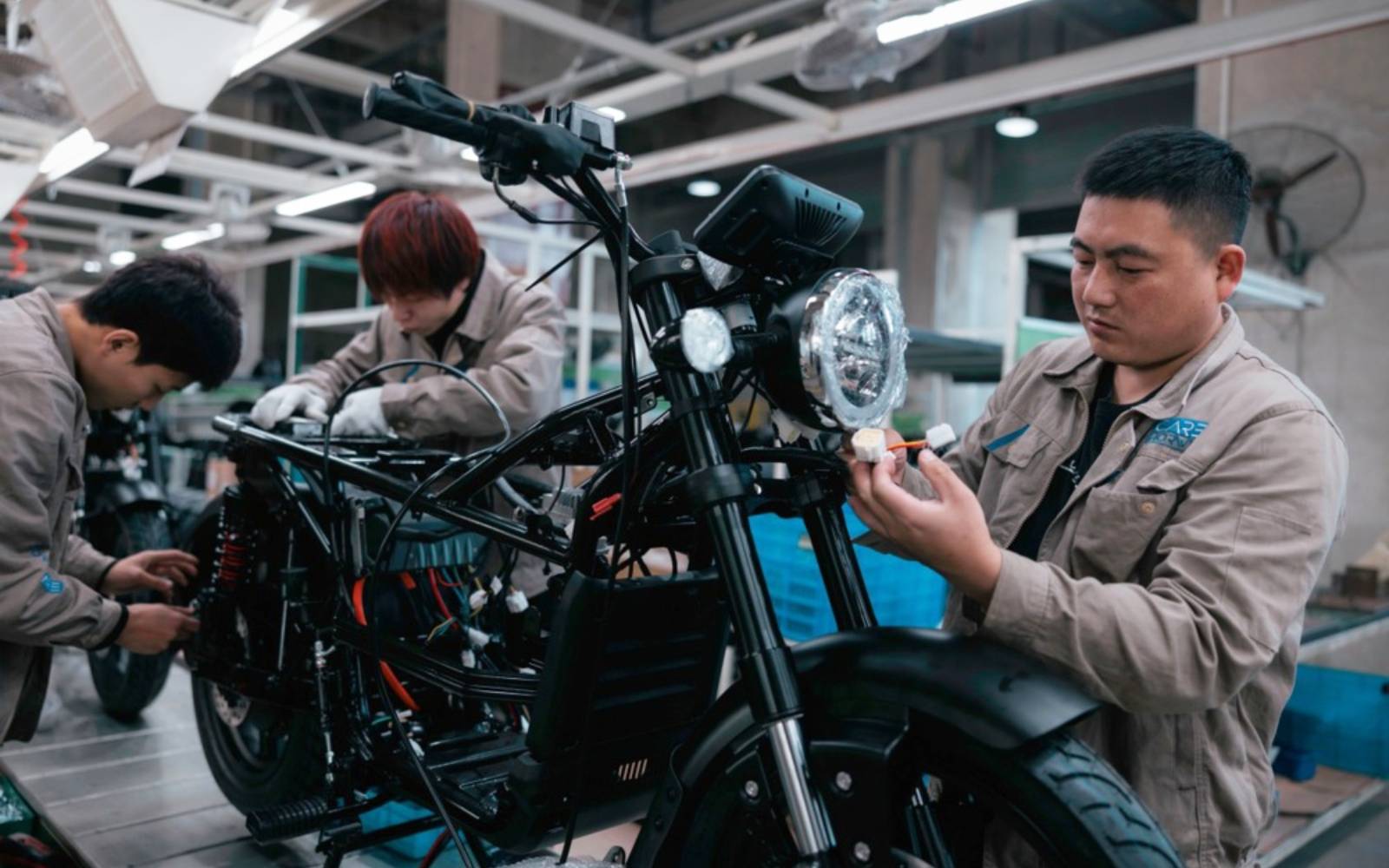
Manufacturing activity in China decelerated in July as the ongoing conflict in the Middle East caused weaker demand and increased costs for exporters, according to surveys released on Monday. The situation was similar across much of Europe. In the euro zone, output growth was primarily due to firms clearing order backlogs rather than an uptick in demand.
Despite experiencing a surge in new orders, the euro zone's S&P Global PMI rose to 51.9, just below the anticipated 52.0, indicating modest growth. Carsten Brzeski of ING observed that the euro zone economy is more resilient than initially thought, but it is likely to continue on a low growth trajectory for the foreseeable future.
Inflation in the euro zone climbed to 2.9% in July, exacerbating the case for another European Central Bank rate hike, which could further dampen demand. Germany, Europe's largest economy, saw strong manufacturing activity at the beginning of the third quarter, but it is unlikely to persist without a resolution to the Middle East conflict due to the volatility in oil prices and uncertainty.
Meanwhile, French factories contracted, Italian manufacturing slowed, and Britain's manufacturing activity expanded at the weakest pace in four months, reflecting the continued impact of the Iran war. India's manufacturing sector contracted at its slowest pace in nearly five years, while Japan's factory output surged at its fastest rate in over a decade, driven by an increase in new orders, particularly in AI-related sectors.
Written by urgent.news from Free Malaysia Today's reporting — not their text. Machine-written — may contain errors; check the original before relying on it.