Earlier Lifeline for Rural Hospitals Faces Test Under ‘Big Beautiful’ Law
A century-old rural Michigan hospital converted to a stripped-down model Congress created to help keep small facilities afloat, then it closed. The emergency hospital model, created a few years ago, is stabilizing some hospitals, arrived too late for others, and now faces major challenges under the One Big Beautiful Bill Act.
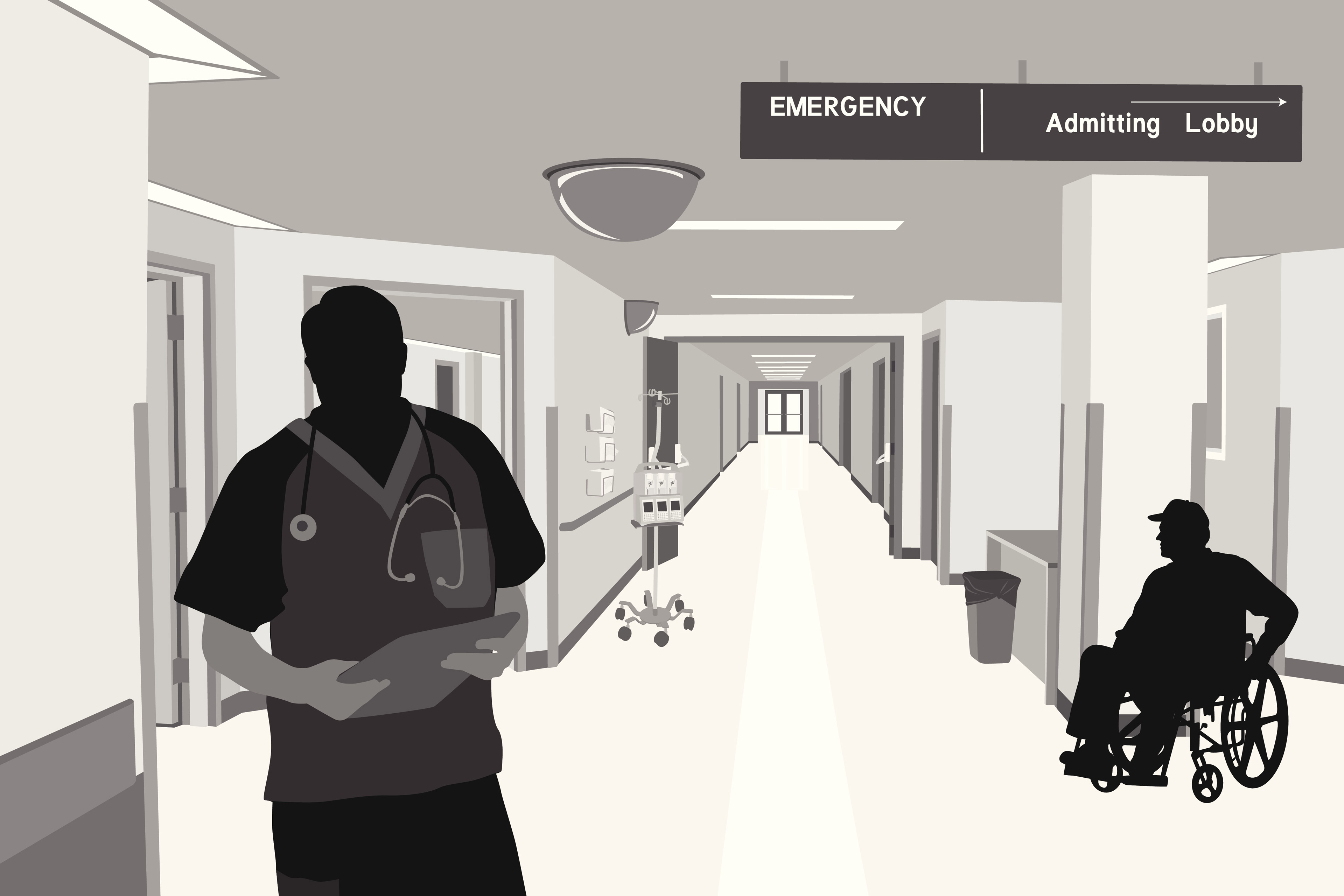
A century-old rural hospital in Michigan became one of the first to transition to a new emergency-focused model created by Congress to save rural healthcare. However, three years after receiving federal support, the Sturgis Hospital closed, leaving its town of 11,000 without critical medical services. The closure may serve as a warning sign for rural healthcare, according to the state's health association.
Federal officials have long sought to maintain rural hospitals, which face staffing shortages, low payment rates, and declining patient numbers. Over 50 rural hospitals in 20 states have converted to the stripped-down Rural Emergency Hospital model, but concerns remain about its long-term effectiveness once the anticipated federal funding reductions from the One Big Beautiful Bill Act take effect.
The hospital closure in Sturgis is the only complete hospital shutdown in the U.S. in 2026. The emergency hospital model, implemented in 2023, provides a 5% increase in Medicare payments and an extra monthly facility payment, but hospitals must offer emergency services and forgo inpatient beds. Despite initial reports of financial improvement, the long-term sustainability of these conversions is uncertain, with many rural hospitals still losing money and eliminating services.
Some lawmakers propose additional changes to the emergency model, such as allowing hospitals to offer new services and utilize federal drug discount programs. Rural healthcare advocates emphasize the need for continuous improvement and adaptation to ensure the survival of these vital facilities.
Written by urgent.news from KFF Health News's reporting — not their text. Machine-written — may contain errors; check the original before relying on it.