Dozens of police officers accused of using license plate cameras to track women
The main tool being misused is Flock Safety, a network of roadside cameras that scan and catalog billions of license plates each month. The firm says its network spans more than 6,000 communities, with devices designed to capture plates in difficult conditions, including at night and in heavy rain, using... Read Entire Article
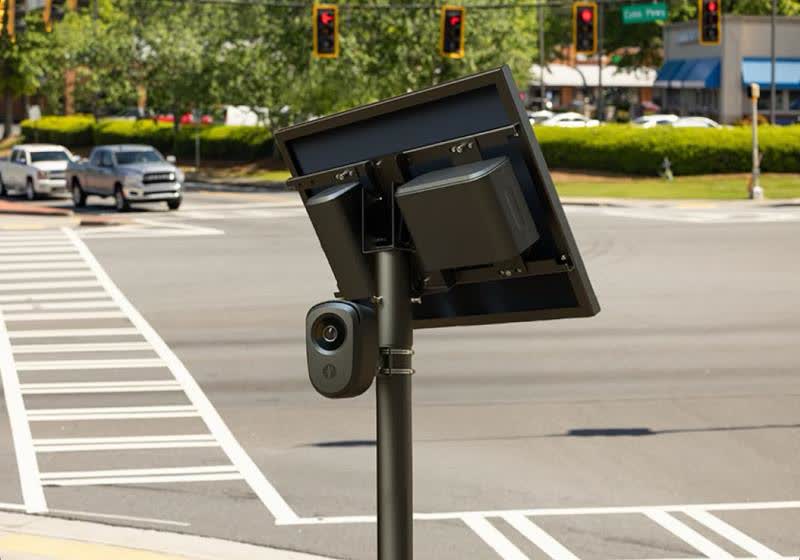
An investigation has uncovered widespread misuse of license plate camera systems by police officers, turning a tool designed for crime-fighting into a potential instrument for stalking and surveillance. According to the Washington Post, at least 50 officers across the nation have been accused of or charged with misusing these systems, with the Flock Safety network being a primary culprit.
Flock Safety, a company that operates a network of roadside cameras scanning and cataloging billions of license plates each month, operates in over 6,000 communities. These cameras, equipped with computer vision, collect plate data in various conditions, feeding it into a centralized system accessible by officers without a warrant.
This infrastructure, largely decentralized, allows for easy deployment across cities, suburbs, and private properties. The issue, however, extends beyond oversight and access; it's about the lack of accountability and the system's design. Investigators have found that officers have used the system to repeatedly track women they knew personally, often without any warrant or judicial oversight.
In one notable case in Georgia, a police chief logged hundreds of queries over a year, monitoring a woman's movements. While the company Flock Safety maintains that misuse represents a small fraction of its overall activity and emphasizes its logging and auditing mechanisms, critics argue that these safeguards are insufficient. The decentralized nature of the system and the lack of a comprehensive federal framework governing its use leaves significant room for abuse.
Privacy advocates warn that the technology can reconstruct detailed behavioral profiles of individuals, creating a significant invasion of privacy. Despite these concerns, many law enforcement agencies continue to use and advocate for these systems, viewing them as transformative tools in modern policing.
Written by urgent.news from TechSpot's reporting — not their text. Machine-written — may contain errors; check the original before relying on it.