Dow pops 500 points, oil slides after Trump calls off planned attacks: Live updates
The Dow Jones Industrial Average surged 615 points, or 1.1%, on Monday after President Donald Trump canceled planned attacks on Iran, prompting a decline in oil prices. The S&P 500 gained 0.4%, and the Nasdaq Composite advanced 0.2%. Trump announced on Sunday that he had canceled a planned attack on Iran and stated that talks between the two countries would resume on Monday.
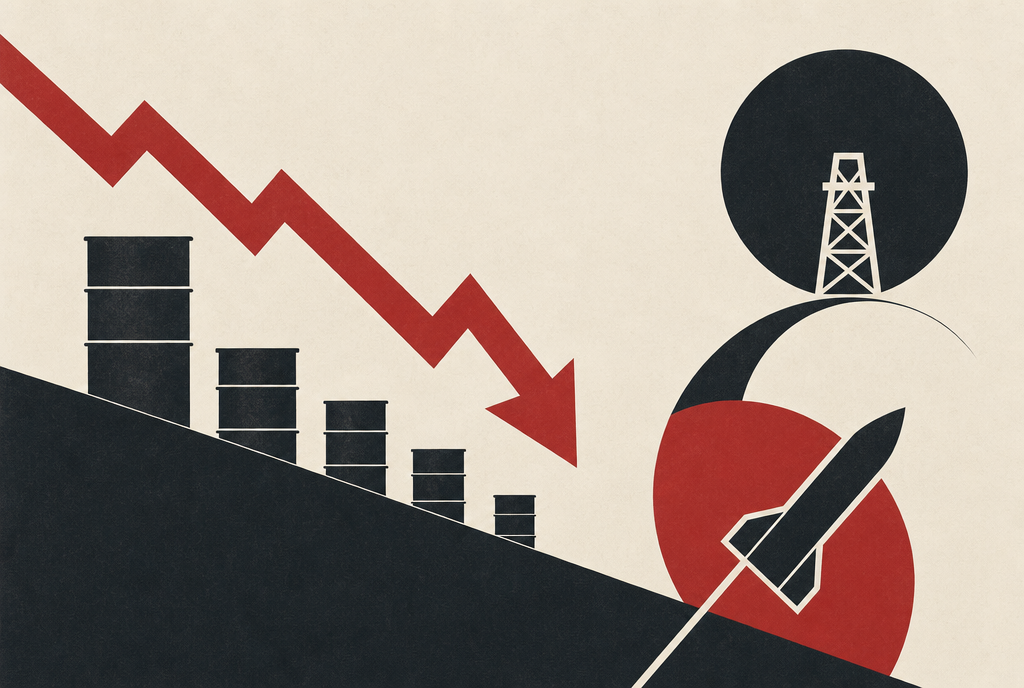
Reports had indicated that the president was preparing for new strikes, as hopes for a negotiated settlement to the conflict faded and energy prices rose. Consequently, crude prices plummeted, with Brent oil falling about 6% to $82.95 per barrel and West Texas Intermediate futures dropping nearly 7% to $78.93 per barrel. Treasury yields also declined, with the benchmark 10-year yield slipping 7 basis points to around 4.67%.
However, investors remained cautious, noting that "we've been here before" and that the conflict may continue to persist. Monday marked the first trading day of August, with the major averages expected to stabilize after a volatile July. Upcoming labor market data, including July's non-farm payrolls and unemployment figures, would be released on Friday.
European stock markets experienced growth, with the Stoxx 600 up 0.3% and Germany's DAX rising 1.3%. In Asia-Pacific, markets fluctuated; South Korea's Kospi fell over 5%, while Japan's Nikkei 225 declined 0.94%. Australia's S&P/ASX 200 edged up 0.47%, and mainland China's CSI 300 slipped 0.98%. Despite the recent volatility, U.S. stocks were perceived as relatively undervalued, with the S&P 500 trading at a forward multiple of 19.7 times next year's earnings, 2.5% below its five-year average.
All sectors within the S&P 500 were showing earnings growth from a year prior, with three sectors experiencing triple-digit earnings gains. The Magnificent Seven stocks, led by tech companies, saw an increase in the premarket hours, while the broader tech sector, particularly semiconductors, underperformed. U.S. Treasury yields followed the decline in oil prices, reflecting the market's anticipation of de-escalation in the Iran conflict.
Written by urgent.news from CNBC's reporting — not their text. Machine-written — may contain errors; check the original before relying on it.