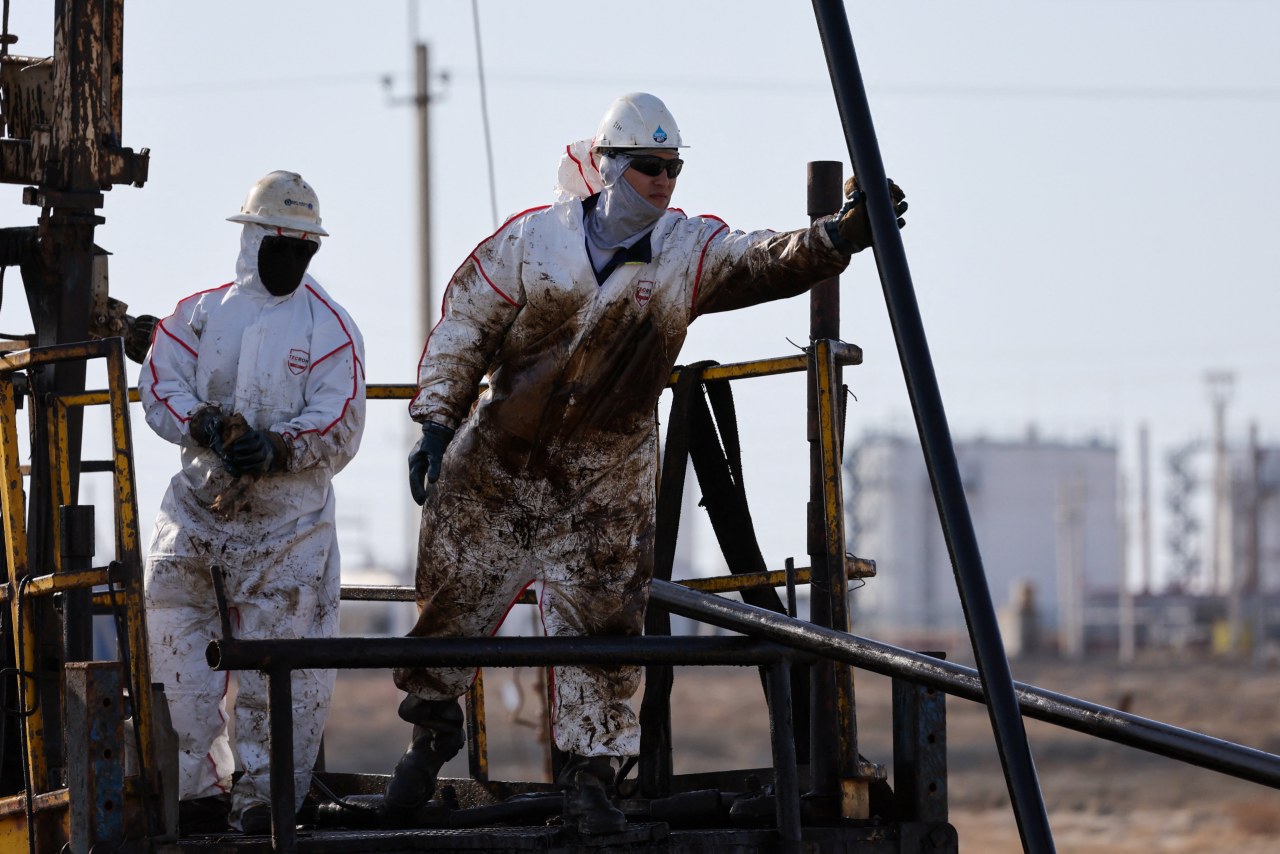
Current price of oil as of August 3, 2026
When oil prices change, it affects your energy costs—and even the price of everyday items. Here’s why.

On August 3, 2026, oil was trading at $87.38 per barrel, according to data sourced from Eastern Time. This represented a rise of 71 cents compared to the morning's opening price, and a significant 17.50 dollar increase from the previous year's level. Over the span of a month, oil had climbed from $72.26 to its current price. The previous year's mark was $69.86.
Oil's volatility remains a recurring theme, with price movements swayed by myriad factors ranging from geopolitical events to shifts in demand. The relationship between oil prices and gas pump prices is intricate; the former heavily contributes to the latter, accounting for more than half of the final price per gallon. Thus, oil price fluctuations invariably have a profound impact on the cost of gasoline at the pump.
A crucial player in the U.S. oil landscape is the Strategic Petroleum Reserve, a stockpile of crude oil maintained by the government for emergencies. While it isn't a permanent solution, it can provide immediate relief during periods of supply disruption, helping to stave off steep price hikes. Oil and natural gas prices are closely interlinked.
An uptick in oil prices can lead industries to substitute natural gas for certain operations, thereby increasing the demand for natural gas. Historically, oil prices have been anything but predictable, oscillating between sharp surges and sudden crashes, often triggered by geopolitical tensions, global economic downturns, or supply imbalances.
For instance, the Middle East's embargo during the Yom Kippur War in the early 1970s led to a steep oil price increase. Conversely, periods of economic recession or oversupply, like in the wake of the 2008 financial crisis and the 2020 COVID lockdown, have seen drastic price drops. The historical trajectory of oil prices underscores the complex interplay of various global forces.
Written by urgent.news from Fortune's reporting — not their text. Machine-written — may contain errors; check the original before relying on it.