Could Silicon Valley’s lobbying create ‘mutual suspicion’ between US and China?
The US tech industry’s increasingly hawkish attitude towards China has caused alarm among some observers who warn it could cause greater mistrust between the two countries. Silicon Valley has become much more politicised in recent years, with leading figures such as Elon Musk donating vast sums to political campaigns, including Donald Trump’s 2024 presidential bid. The US government has placed…
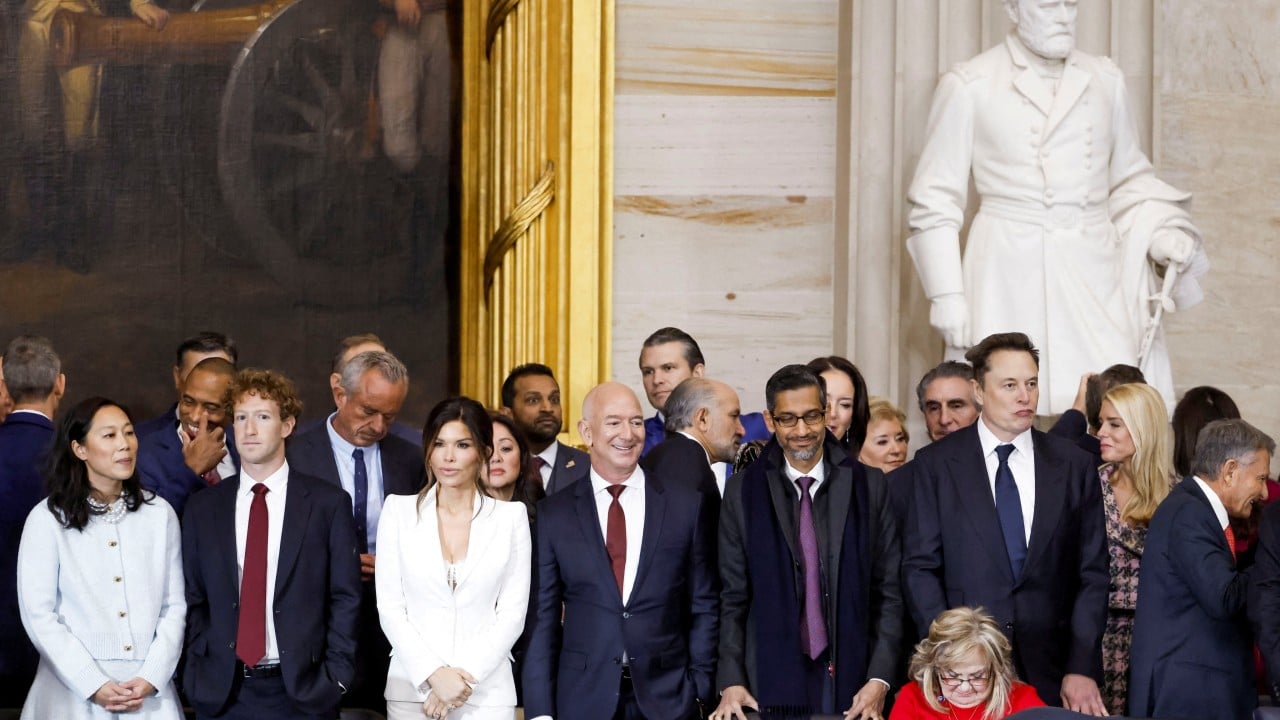
The growing political activity of Silicon Valley concerning China has raised concerns about heightened mistrust between the United States and China. High-profile figures, such as Elon Musk, have contributed significant sums to political campaigns, including the 2024 presidential bid of Donald Trump. The US government has framed technological competition as the core of its rivalry with Beijing.
An article in the Journal of Contemporary Asia-Pacific Studies highlighted how corporate leaders are selectively presenting information to capitalize on Washington's apprehensions about China, thereby exacerbating strategic mutual suspicion. Researchers Tan Yannan and Sun Chenghao argue that a new generation of American tech leaders are leveraging their Chinese rivals as a strategic tool to shape the policy agenda in the United States.
The research cites OpenAI as an example, noting its efforts to secure support for AI infrastructure investments and secure backing from both Trump and the Biden administration. Traditional tech giants like Meta, on the other hand, employ China-related rhetoric defensively to deflect from antitrust scrutiny. This shift in lobbying practices is causing profound effects on the China-US tech rivalry and global technology governance.
OpenAI CEO Dario Amodei warned about the potential misuse of AI open-source models by authoritarian regimes like China for cyber and biological attacks. He called for stricter export controls on advanced chips and actions against what he termed "industrial-scale distillation operations" by Chinese firms to avoid losing ground to US competitors.
Despite this, OpenAI CEO Sam Altman emphasized the company's commitment to competing in both open and proprietary AI models, without advocating for a ban on Chinese open-source models. OpenAI and several other tech firms, including Nvidia, endorsed open-weight models in an open letter. However, David Sacks, former advisor to Trump, criticized these companies for allegedly hypocrisy in warning about Chinese open-source technology while aiming to prevent American developers from using it.
Tan and Sun also cautioned that such tactics could stoke tensions between China, the US, and Europe, and intensify pressure on multilateral dialogue over technology governance.
Written by urgent.news from Reuters Business via SCMP's reporting — not their text. Machine-written — may contain errors; check the original before relying on it.