Could Eating Less Protein Help You Age Better and Live Longer?
More protein might not be beneficial for everyone, researchers say, as studies suggest protein restriction could boost longevity and health.
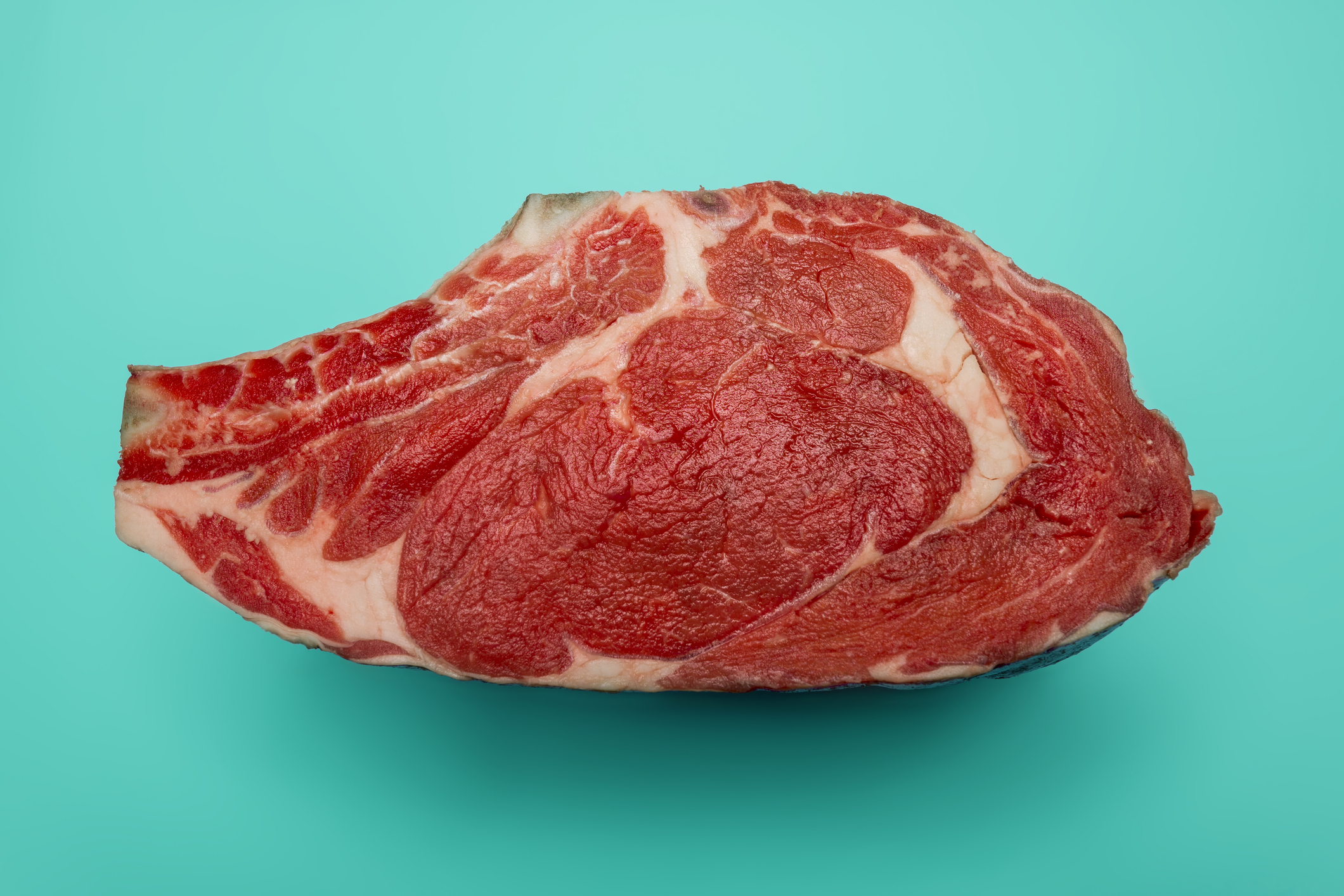
Protein is currently popular, with protein-enriched snacks and drinks on supermarket shelves and advocates for higher protein intake from influential figures and government officials. A new study published in the journal Cell Press Blue suggests that restricting protein intake may be better for health and longevity, contradicting the notion that more protein is always healthier.
Researchers analyzed 350 studies involving animals and humans and found that mice, rats, flies, and fish that consumed less protein lived longer and healthier lives. Some small human studies also showed that people who followed a protein-restricted diet for several weeks experienced weight loss, reduced fat mass, and improved fasting blood sugar levels.
While animal studies placed the subjects on very low-protein diets, human studies typically maintained protein intake within the recommended dietary allowance (RDA). However, the review indicates that consuming just the RDA of protein may be sufficient to improve health outcomes, challenging the idea that higher protein intake is beneficial.
The findings may contradict other research suggesting that higher protein diets offer additional health benefits. The apparent contradiction in research is part of the reason why researcher Dudley Lamming, co-author of the review, started studying protein in diet and its effects on health. He hypothesizes that protein restriction may slow aging by shifting the body's cells from a growth and proliferation state to one that focuses on recycling and repairing existing cells.
This theory explains why calorie restriction also improves health and extends lifespan in animals and people. However, protein restriction and calorie restriction have distinct biological responses, and some studies suggest that calorie restriction is the "gold standard" for delaying aging in lab animals. While the review highlights promising research on protein restriction, experts caution that people should not adopt diets that are very low in protein.
Written by urgent.news from Time's reporting — not their text. Machine-written — may contain errors; check the original before relying on it.