‘COP30 is not over’: Indigenous peoples press for hard power
With no seat at the negotiating table, Brazil’s Indigenous movement is pushing for change using marches and underground policy proposals The post ‘COP30 is not over’: Indigenous peoples press for hard power appeared first on Dialogue Earth .
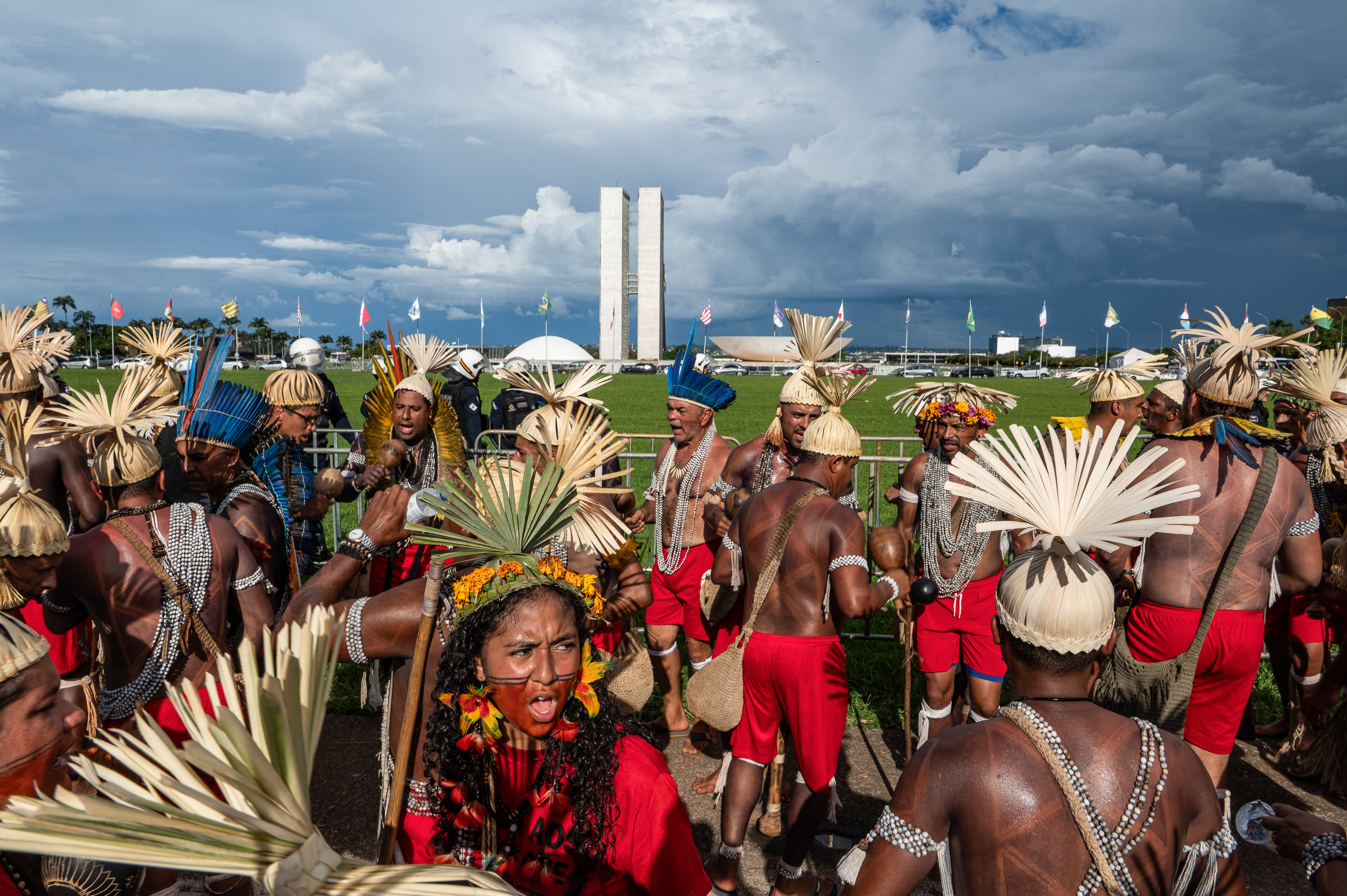
On 9th April, thousands of Indigenous individuals showcased their demands by marching along Brasília's Eixo Monumental, walking barefoot on wet concrete. They carried a manifesto containing their other demands, such as establishing "oil-free zones" and phasing out fossil fuel production in Brazil. Indigenous peoples persistently advocate for a more significant say in climate policy decisions.
While COP30, held in Brazil's Amazon in November 2025, was touted as the "most Indigenous UN climate conference in history", many Indigenous representatives felt marginalized in the decision-making process. This march to the Ministry of Foreign Affairs was a culmination of a working group set up at the end of COP30, emphasizing the importance of input from those outside the negotiation rooms.
The manifesto highlighted concerns regarding Brazil's contradictory climate policy, as the country promotes itself as a climate leader while simultaneously pursuing oil exploration in the Amazon region, despite the presence and rights of Indigenous peoples who have been demanding prior consultation for years. Despite a rise in the recognition of Indigenous peoples' role in climate action within Nationally Determined Contributions (NDCs) over the past decade, an International Work Group for Indigenous Affairs (IWGIA) survey uncovered an "implementation gap".
While NDCs increasingly acknowledge Indigenous peoples' influence, they lack the power to implement their knowledge, governance, and leadership in climate solutions at governmental levels. Rosario Carmona, a climate consultant at IWGIA, notes that Brazil's NDCs surpass other countries in recognizing Indigenous peoples' vulnerability resulting from colonialism and structural inequality, but they fail to commit to measures aimed at addressing these issues.
Meanwhile, Brazilian Indigenous movements prepare for upcoming international conferences, aiming to bolster their international alliances in the face of persistent challenges in decision-making processes.
Written by urgent.news from Dialogue Earth's reporting — not their text. Machine-written — may contain errors; check the original before relying on it.