China tightens chip-design protection and clarifies rights to spur innovation
China has revised regulations on the protection of chip design, a critical move to push for tech self-sufficiency amid US export controls. Premier Li Qiang signed a State Council decree to promulgate the revised rules on the protection of layout designs of integrated circuits, Xinhua reported on Monday. The new rules will take effect on October 15. The revision clarified financial penalties for…
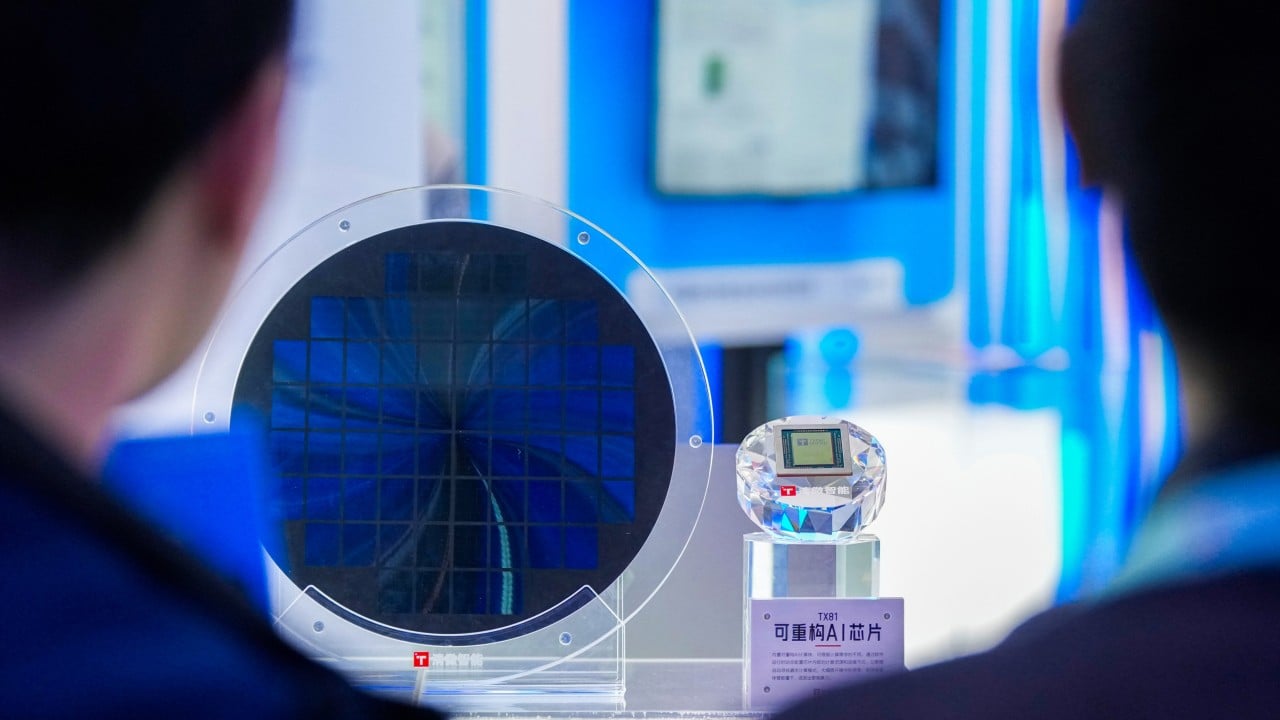
In a move to bolster tech self-sufficiency amidst US export controls, China has revised regulations on chip design protection. Premier Li Qiang signed the State Council decree for the new rules on the protection of integrated circuit layout designs, with the changes set to take effect on October 15. The revision clarifies financial penalties for infringement, licensing, transfer, and co-ownership rights, aiming to hasten the commercialization of new chip designs.
Chip design functions as the blueprint for the entire semiconductor value chain. Although domestic chip manufacturing faces constraints due to US restrictions on advanced equipment imports, mastering chip design empowers Chinese firms to innovate through custom architectures, like Huawei's specialized hardware-software co-design strategy.
The legal update aligns with Beijing's pursuit of tech self-reliance under the 15th five-year plan, which emphasizes refining mature-node processes, enhancing advanced process technologies, and advancing high-performance processors and high-density memory. Combined with energy infrastructure, computing power, and various AI initiatives, this plan outlines a comprehensive strategy across the AI ecosystem, from infrastructure and software to applications and governance.
Li, a key architect of this strategy, has advocated for semiconductor development as a foundational pillar of China's emerging industries. He has visited semiconductor and tech startups, including Yangtze Memory Technologies Corp, Naura Technology Group, and Semitronix, encouraging them to bolster core technologies and promising increased government support for industrial development.
Written by urgent.news from South China Morning Post's reporting — not their text. Machine-written — may contain errors; check the original before relying on it.
This story
This is one outlet's version. Read the fullest account.