China acknowledges ‘temperature gap’ between tech boom and traditional slump
A top theoretical journal of the Communist Party has acknowledged that a stark economic divide exists between China’s booming AI sector and its struggling traditional industries. And while arguing that this divergence was not unique to China, the Qiushi Journal stressed that rapid technological advances must not leave ordinary citizens behind. In a commentary published on its website on Sunday,…
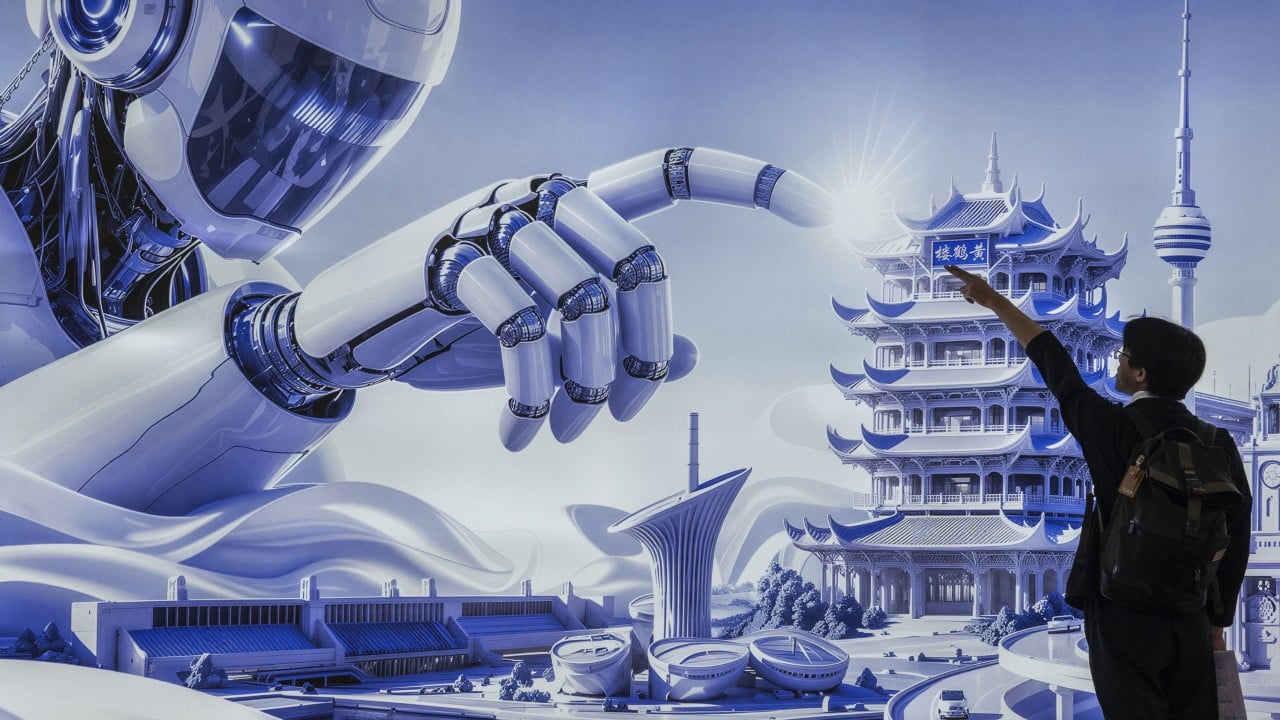
A recent commentary published by the Qiushi Journal has highlighted a significant economic divide between China's rapidly advancing AI sector and its struggling traditional industries. The journal acknowledged that this "gap in temperature" is not unique to China, but emphasized that technological progress should not leave ordinary citizens behind.
The article explained that macroeconomic data and micro-level experiences both hold value in understanding the economy, and that the gap between them is a longstanding challenge for major economies. The advancement of AI has exacerbated this gap, as AI adoption accelerates the divergence between industries. The article noted that AI's iteration cycles are now measured in days, leading to potential industrial penetration and efficiency revolutions across various sectors.
The commentary pointed out that not all industries are advancing at the same pace. While the electronics sector saw a 96.9% increase in profits, year-on-year, in the first half of 2026 due to the AI boom, other sectors such as general equipment manufacturing, agricultural and food processing, and automobile manufacturing experienced much smaller growth or even declines. The overall retail sales of goods and services also lagged behind the overall growth of the GDP.
The article warned that the transition from old to new growth drivers is not smooth, and disparities in pace are the norm. It emphasized that some people are being left behind, and their suffering should not be ignored. The commentary stressed that while new and green economies are flourishing, their overall share remains limited, with traditional industries still accounting for over 80% of manufacturing.
The Qiushi Journal urged all sectors and workers to embrace new technology, but also stressed the need to stabilize growth and ensure that everyone can benefit from technological advancements. It argued that opportunities are not limited to a few emerging industries, and traditional sectors also have the potential to be reshaped and traditional workers can be empowered by technology.
The article advocated for the use of new technology in traditional industries to spread the benefits of transformation to every industry and household, and to safeguard the basic living standards of those affected by the economic shift.
Written by urgent.news from South China Morning Post's reporting — not their text. Machine-written — may contain errors; check the original before relying on it.