Stock markets: Dax rises above 26,000 points for the first time
Strong quarterly reports and falling oil prices are providing a boost to the stock market. The impulse for the jump above 26,000 points comes from new hopes for a relaxation in the US-Iran conflict.
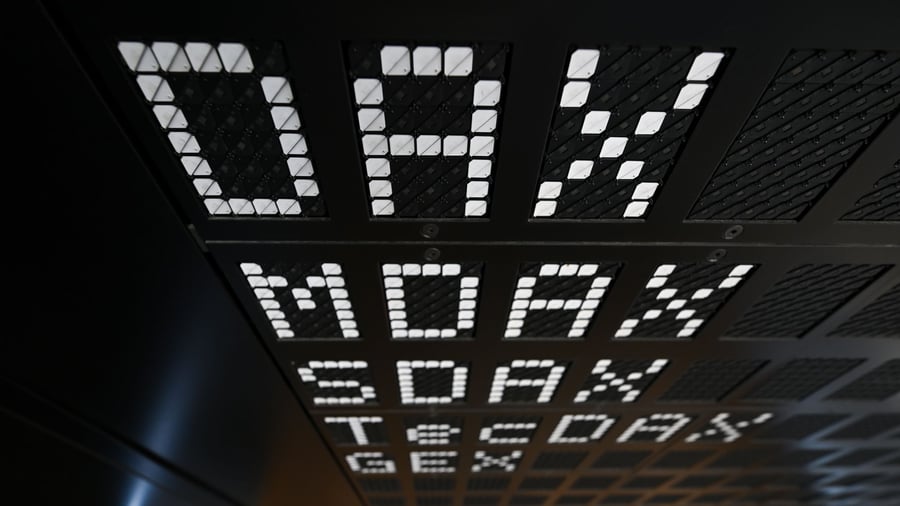
A surge in hope for a rapprochement between the United States and Iran has propelled the Dax index above the 26,000 mark for the first time. The German benchmark index surged just above this milestone on Monday morning. Shortly after the opening bell, the Dax surpassed the record high of 25,900.10 points reached in early July. By the end of the day, it closed at 26,001 points, up 1.45 percent from the previous close.
The index was also buoyed by gains in heavyweight shares SAP and Deutsche Telekom. "In just three weeks, the German benchmark index has gained more than 1,300 points," said Birgit Henseler, Senior Analyst at DZ Bank. "Geopolitical détente plays a significant role, as does the reporting season for the second quarter, which has been better than expected both in the US and Europe."
The composition of the Dax also helps, as its heavy focus on industrial and financial stocks has made it less vulnerable to concerns about a potential AI bubble compared to tech-only indices. Trump's announcement of new talks with Iran, followed by an aborted major attack, caused oil prices to drop sharply at the opening of the week.
This alleviated inflation concerns and fears of rising interest rates. Brent crude (159 liters) for October delivery fell to $83.36 per barrel, a 5.20 percent drop from the previous price. The US OPEC benchmark, WTI, fell even more. Trump had initially announced the cancellation of the largest US military offensive "since World War II" to give way to new negotiations with Iran.
The talks were initially unclear as to where they would take place, how long they would last, and who would participate. No confirmation came from Iran in the early hours of the morning. Iran indicated that negotiations aimed at allowing more ships through the Hormuz Strait were progressing. The disputed nuclear program of Iran would also be a topic of discussion.
These issues dominated previous rounds of negotiations in Pakistan and Switzerland. The prospect of falling oil prices, according to Jochen Stanzl of Consorsbank, benefits the cyclical and energy-dependent industry in the Dax. However, the geopolitical situation remains fragile, with many key questions about the Iran conflict still unanswered.
Nonetheless, investors remain optimistic, but there's no euphoria. Positive quarterly results from companies and a recent global tech sector recovery, especially in AI-related stocks, had already given the Dax a boost last week, with less than ten points separating it from the record high before it fell short. Market strategist Mislav Matejka of JPMorgan highlighted the strong reporting season on both sides of the Atlantic, with earnings growth better than expected.
All sectors in the US and almost all in Europe showed higher profit growth compared to the previous year. US technology stocks rose noticeably, with strong forecasts from major US tech giants cited as the main reason. Strong results from major technology companies had recently boosted confidence in massive investments in artificial intelligence (AI).
Microsoft and Amazon had particularly impressed with their quarterly reports. However, technology indices again fell in Asia after a rally on Friday. The hope for continued good results in the reporting season could come from many companies in the coming week. Half of the companies in the German Dax have quarterly reports due, including Bayer, Continental, FMC, and Zalando on Tuesday.
Fresenius, DHL Group, Siemens Energy, Vonovia, Infineon, and Beiersdorf report on Wednesday. Commerzbank, Deutsche Telekom, Merck KGaA, and Siemens release their figures on Thursday. Allianz, Daimler Truck, and Munich Re report on Friday.
Written by urgent.news from Handelsblatt's reporting — not their text. Machine-written — may contain errors; check the original before relying on it.