Bessent seen rebuffing Wall Street on guidance for U.S. debt sales
Most dealers see the Treasury reiterating it expects no increases in note and bond issuance “for at least the next several quarters.”
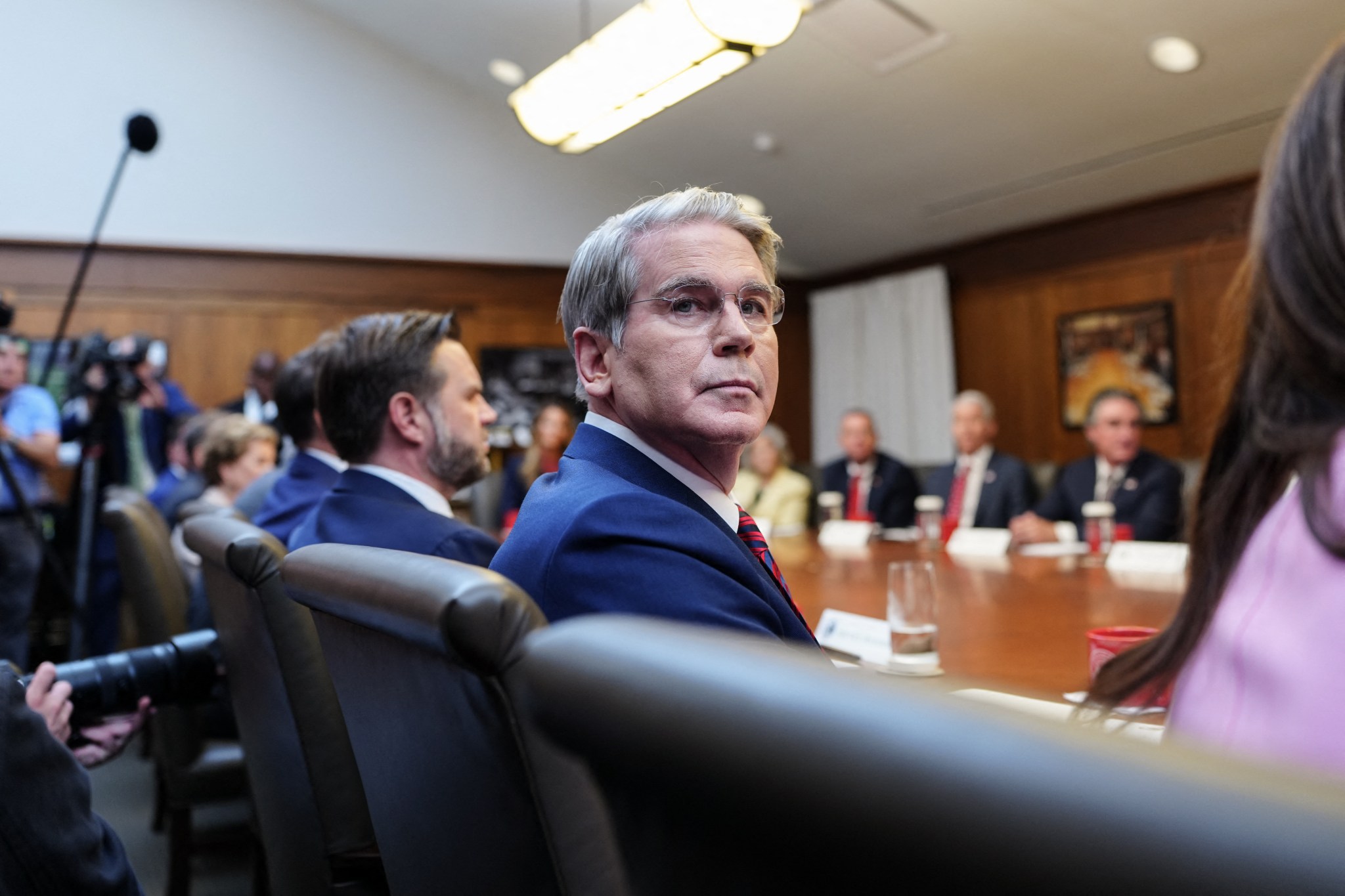
Treasury Secretary Scott Bessent's debt-management team has declined to adjust its guidance for future U.S. debt sales, much to the dismay of Wall Street dealers. The upcoming quarterly policy statement on debt strategy, scheduled for Wednesday, is expected to reaffirm that the Treasury does not anticipate any increases in note and bond issuance for at least several quarters.
This forward guidance, which dates back to the Biden administration, was initially criticized by Bessent as a means to keep borrowing costs low ahead of the November 2024 midterm elections. However, with the new administration focused on midterm elections, there is now a strong incentive to avoid any potential rise in yields, which could result from any indication of increased auction sizes.
Yields on 30-year bonds have recently surged to their highest levels since 2007, making them more expensive compared to shorter maturities. Many dealers now doubt that the Treasury will boost its sales significantly in the coming years. Since taking office, Bessent has relied on bills, which mature in up to a year, to meet the government's borrowing needs.
This strategy has helped keep costs low, but it comes with risks, as debt-servicing costs become more sensitive to rate shocks at a time when investors expect the Federal Reserve to tighten monetary policy.
Economists project that the federal budget deficit will remain around $2 trillion annually for years to come, implying a growing need for borrowing. The Treasury is set to update its borrowing estimate for the current quarter on Monday, prior to the quarterly refunding announcement on Wednesday. In May, the Treasury estimated $671 billion in net borrowing for the three months through September.
Bank of America Corp. projects that if the Treasury maintains stable coupon issuance through the 2027 fiscal year, the share of T-bill debt in the overall outstanding debt would reach nearly 25%, the highest level since 2004, excluding the Covid and global financial crisis shocks.
Written by urgent.news from Fortune's reporting — not their text. Machine-written — may contain errors; check the original before relying on it.
Also reported by 5 other outlets
- Kevin Warsh told Wall Street he’d be sharing less—Goldman Sachs fears a void of Fed facts will only amplify misinformation and instability fortune.com
- Dow, S&P 500, Nasdaq: After recent records: Wall Street opens barely changed handelsblatt.com
- Honeywell Aerospace lands in Wall Street’s ‘penalty box’ after gloomy guidance triggers 21% stock selloff marketwatch.com
- How Wall Street learned to love the blockchain, as US regulators accept tokenized assets and other tech can offer significant advantages in speed and efficiency (Nikou Asgari/Financial Times) ft.com
- Wall Street's 'fear gauge' is doing something unusual as stocks hit record highs cnbc.com