Bariatric Surgery Remains an Important Option for Obesity, Despite GLP-1 Drug Boom
(MedPage Today) -- Bariatric surgery has long been considered the gold standard for treating obesity. However, with weight-loss medications like GLP-1 receptor agonists skyrocketing in popularity, fewer patients are choosing surgery. According...
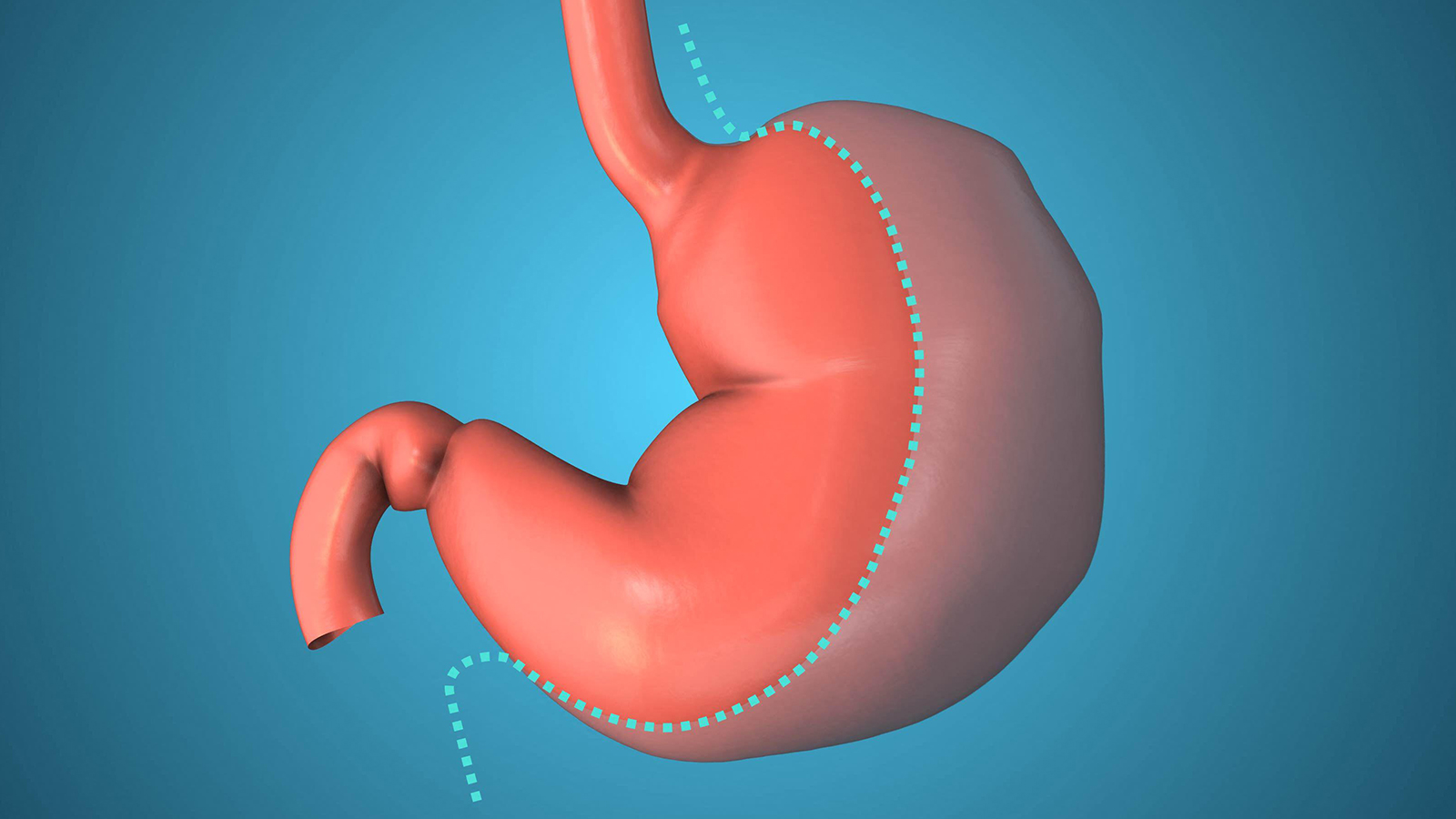
Bariatric surgery has traditionally been viewed as the gold standard for treating obesity, but recent weight-loss medications have led to a decline in surgical procedures. Between 2022 and 2024, use of GLP-1 receptor agonists rose by 140.4%, while metabolic bariatric surgery fell by 34.1%, according to national insurance data. Noel Williams, MD, of Penn Medicine in Philadelphia, stated that weight-loss medications are reducing the number of surgeries performed.
However, high BMI patients, those who haven't achieved desired weight loss with drugs, or those who can't tolerate them should still consider surgery. The American Society for Metabolic and Bariatric Surgery (ASMBS) guidelines recommend surgery for BMI 35 or higher, and for BMI 30-34.9 with metabolic disease. Even without metabolic disease, surgery should be considered for patients who fail to lose substantial weight through non-surgical methods.
Studies show that bariatric surgery leads to more significant and lasting weight loss, resulting in lower healthcare costs over a two-year period. While medications and surgery can be used together, some patients may find one more suitable than the other based on their individual circumstances.
Written by urgent.news from MedPage Today's reporting — not their text. Machine-written — may contain errors; check the original before relying on it.