Automated Oxygen Therapy Adjustments in Hospital Improves Oxygenation
(MedPage Today) -- A novel system for autonomous control of supplemental oxygen for adult inpatients who needed it for acute illness or injury improved the proportion of time spent with adequate oxygen levels, the SAVE-O2 AI trial showed. The...
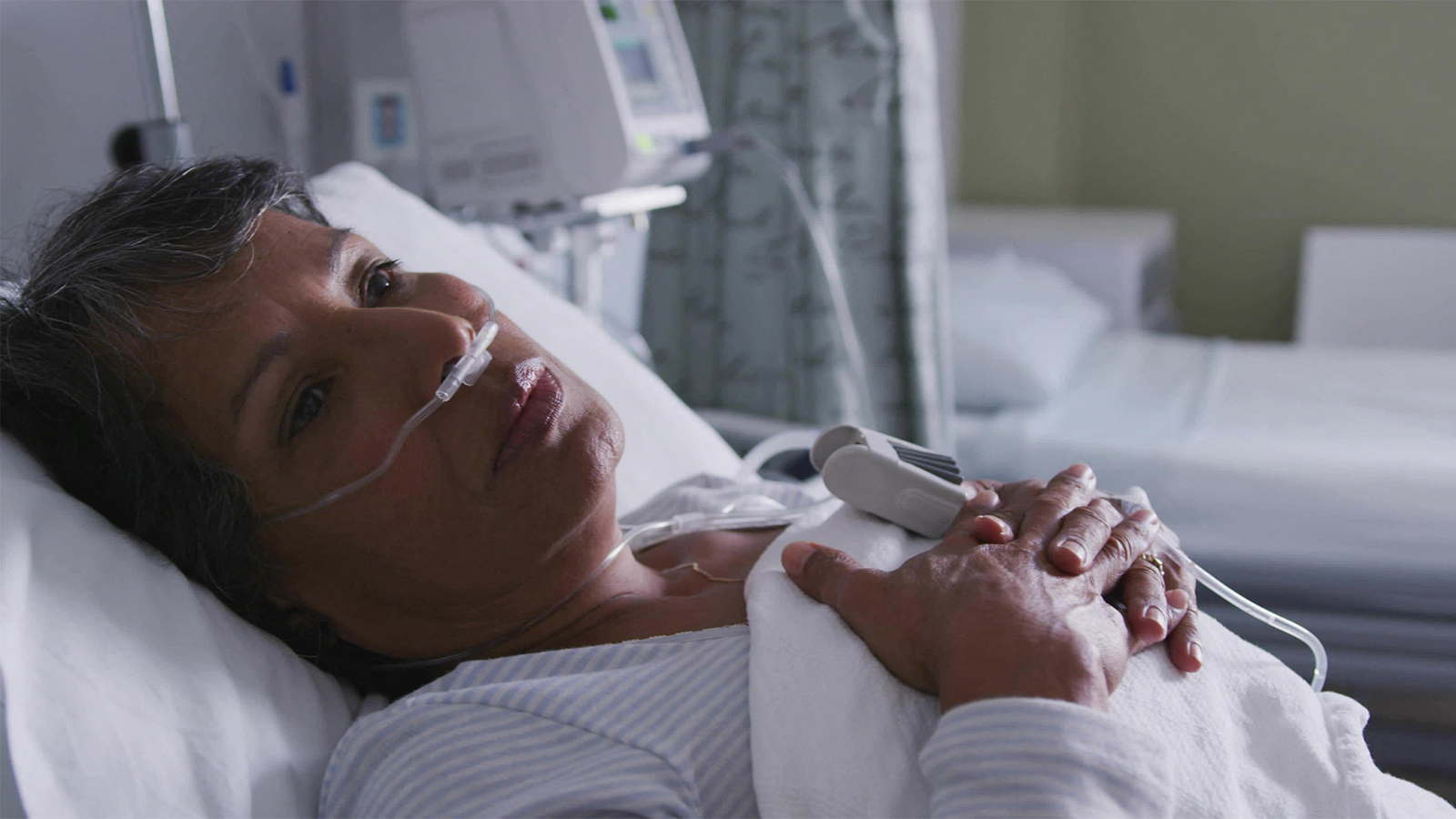
An AI-powered system designed to automatically adjust oxygen therapy for hospitalized patients showed promising results in a recent study. Compared to manual oxygen titration by healthcare professionals, the closed-loop system maintained patients in the optimal oxygen saturation range of 90-96% for 21 percentage points more of the time during the first 72 hours (85% vs 63%, P < 0.001), according to the SAVE-O2 AI trial published in JAMA Internal Medicine.
The autonomous titration also reduced the time spent in hypoxemia (SpO2 < 88%) by more than two-thirds (2.0% vs 3.6%, P=0.002) compared with standard care. The study, which included 300 patients with acute hypoxemic respiratory failure due to conditions like respiratory illness, trauma, or surgery, demonstrated safe optimization of oxygen delivery while simultaneously cutting oxygen utilization.
While the study did not show improved patient outcomes like reduced respiratory decompensation or shorter hospital stays, the authors emphasized the potential health system benefits of oxygen stewardship technologies. The trial also had a diverse participant pool, with 56% of patients having medium skin tones and 22% having darker skin, enhancing the generalizability of the findings.
Notably, the intervention reduced the mean daily oxygen volume administered per patient (2,310 vs 2,992 L, incidence rate ratio 0.83, 95% CI 0.67-1.02) without affecting supplemental oxygen-free days or progression to more severe respiratory failure. The system also had a modest impact on reducing severe hypoxemia (SpO2 < 85%) and hyperoxemia (SpO2 > 96%), which can lead to reactive oxygen species production in acute lung injury.
Despite these promising results, the study highlights the need for further research to determine whether these improvements in oxygenation metrics translate into clinically meaningful patient outcomes. The trial's lack of blinding, use of only one autonomous oxygen titration system, and reliance on pulse oximeters also limit its generalizability.
Written by urgent.news from MedPage Today's reporting — not their text. Machine-written — may contain errors; check the original before relying on it.