Australia dominated as usual, but were the new-look Commonwealth Games the way of the future?
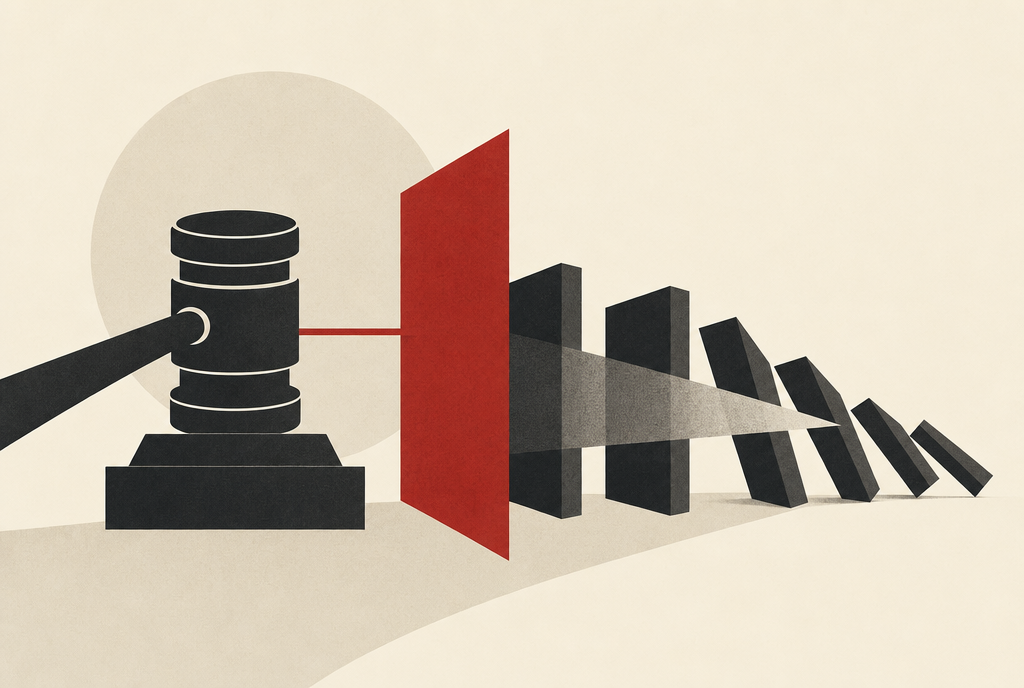
Many believe the Glasgow Commonwealth Games saved the event from extinction. But did the scaled-down version really work?

The recent Commonwealth Games in Glasgow concluded with Australia securing top position once again, demonstrating their dominance in the event. Despite the scaled-down format featuring only ten sports and 215 gold medals compared to 280 in 2022, Australia still managed to win more gold medals than any other nation, surpassing the combined total of the next three countries.
The athletes' performance, particularly in swimming, athletics, cycling, and 3x3 basketball, contributed significantly to their success. Notably, swimmers won a record 76 medals, and cyclist Georgia Baker claimed her fifth gold medal, making her the most-decorated Australian athlete at the Commonwealth Games. The Games received mixed reactions, with some praising the stripped-back format for making the event more affordable and accessible, while others criticized the removal of long-standing sports like rugby, squash, and field hockey, as well as the absence of major public events like the triathlon and marathon.
The event was a financial success, costing £150 million (A$287 million), which was considerably less than previous games. Looking ahead, the concept of "Games Reset" proposed by Commonwealth Sport emphasizes designing games around a host's realistic budget and capabilities, encouraging the use of existing facilities and a more balanced program.
With India set to host the 2030 event, the new approach may become more prevalent in future editions. As for Australia's performance at the upcoming 2028 Olympics, while they will face tough competition from other powerhouses, their strong results in Glasgow, especially in swimming and athletics, suggest a promising future for Australian athletes in the global stage.
Written by urgent.news from The Conversation AU's reporting — not their text. Machine-written — may contain errors; check the original before relying on it.