This is how Ceuta wakes up four days after the migratory crisis
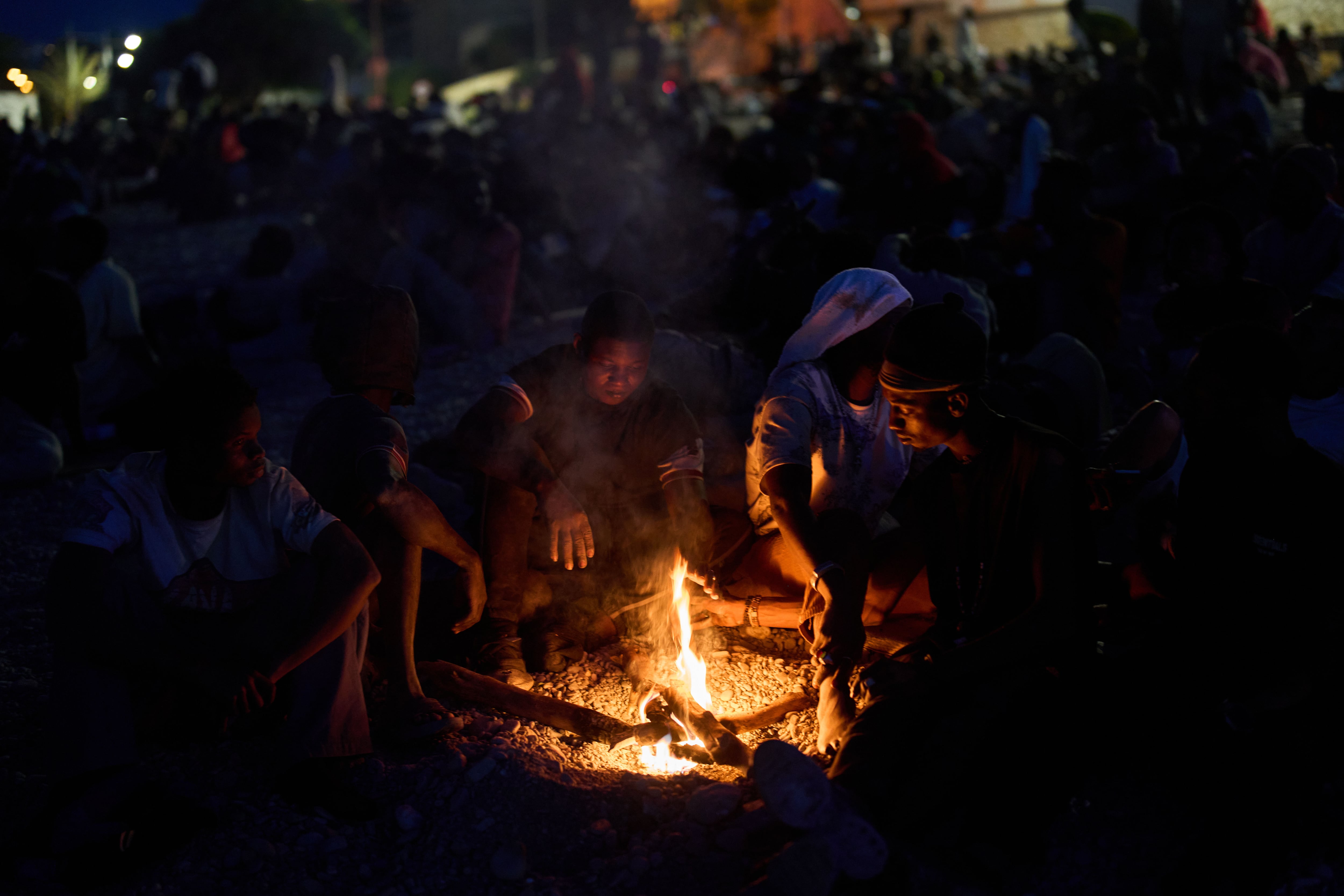
The images show migrants resting on the beach shore, near police cordons, while security forces maintain a visible presence.
A recent influx of migrants into the Spanish enclave of Ceuta has strained relations between Spain and Morocco. The mass crossing, which involved around 40,000 people, was fueled by misinformation on social media and human trafficking networks, according to Morocco's Interior Ministry. The crisis has sparked alarm across the European Union, with Italy suspending Schengen Zone travel from Spain for a month.
The death toll from the mass rush into Ceuta reached at least 72, with Spanish authorities reporting that 72 bodies had been recovered. Morocco's Interior Ministry reported a lower death toll, but noted that it may have only accounted for deaths on the Moroccan side of the border. The situation in Ceuta has improved markedly, with over 48,000 migrants returning to Morocco within 48 hours and many more over the weekend.
The crisis in Ceuta is part of a larger strategic equation in the Western Mediterranean, involving Spain, Morocco, Algeria, Israel, and the United States. Ceuta, Melilla, Western Sahara, and the Canary Islands are all disputed territories that contribute to the complex relationship between Spain and Morocco. The two countries have a Treaty of Friendship, Good Neighborliness, and Cooperation, but their interests frequently diverge, leading to tensions and conflicts.
Brief written by urgent.news from Le Monde English, ABC News AU, South China Morning Post, Jerusalem Post, DW News — 5 reports on this story. Machine-written — may contain errors; check the original before relying on it.
This story
This is one outlet's version. Read the fullest account.