As Indonesia’s new capital rises, the sounds of Borneo’s rainforest are changing
As Indonesia constructs its new capital, Nusantara, in the mountains of East Kalimantan in Borneo, the roar of chainsaws interrupts the rainforest sounds that have long been part of the cultural heritage of the Indigenous Balik community. New documentary, Sound Guardians, a collaboration between Mongabay, Scientific American and Project Multatuli, follows efforts by scientists and […]
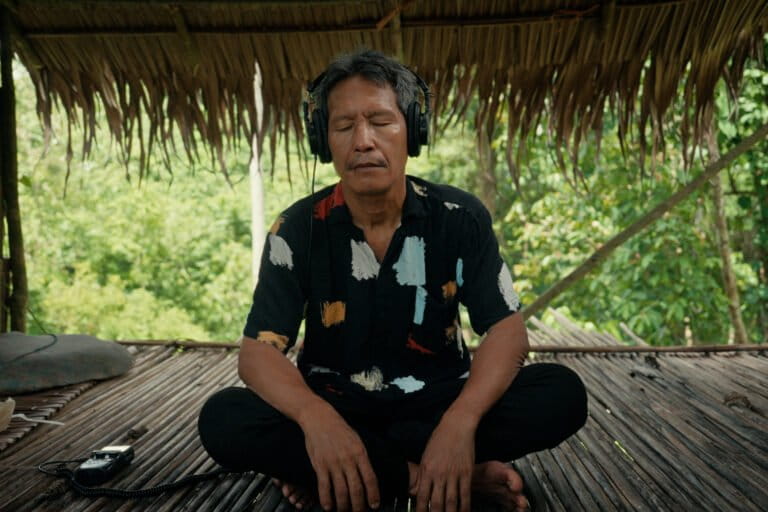
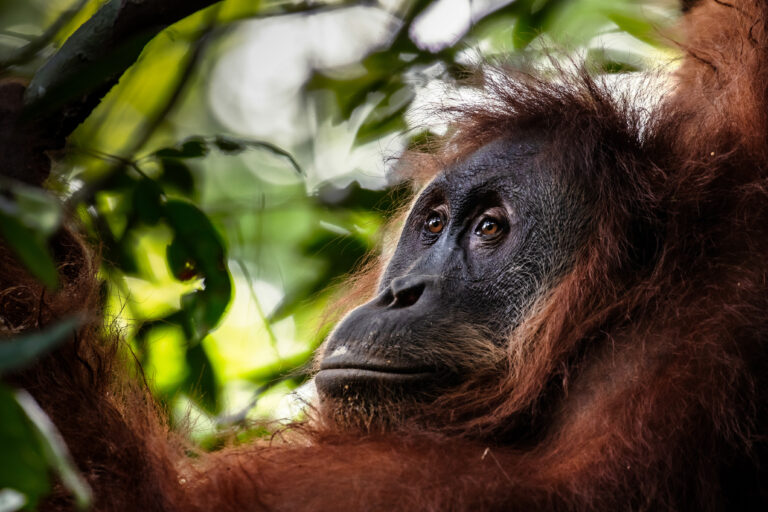
Indonesia is constructing its new capital, Nusantara, in the mountainous region of East Kalimantan, Borneo. This urban development is disrupting the natural soundscape of the rainforest, which has historically been integral to the cultural identity of the Indigenous Balik community. A new documentary, Sound Guardians, explores the impact of this urbanization on the forest's acoustic environment.
The documentary is a joint endeavor by Mongabay, Scientific American, and Project Multatuli. Nusantara, formerly led by President Joko Widodo, is being built as a "smart forest city," with completion anticipated by 2045. This ambitious project aims to mitigate Jakarta's sinking, which is projected to be largely underwater by 2050 due to rising sea levels and excessive groundwater extraction.
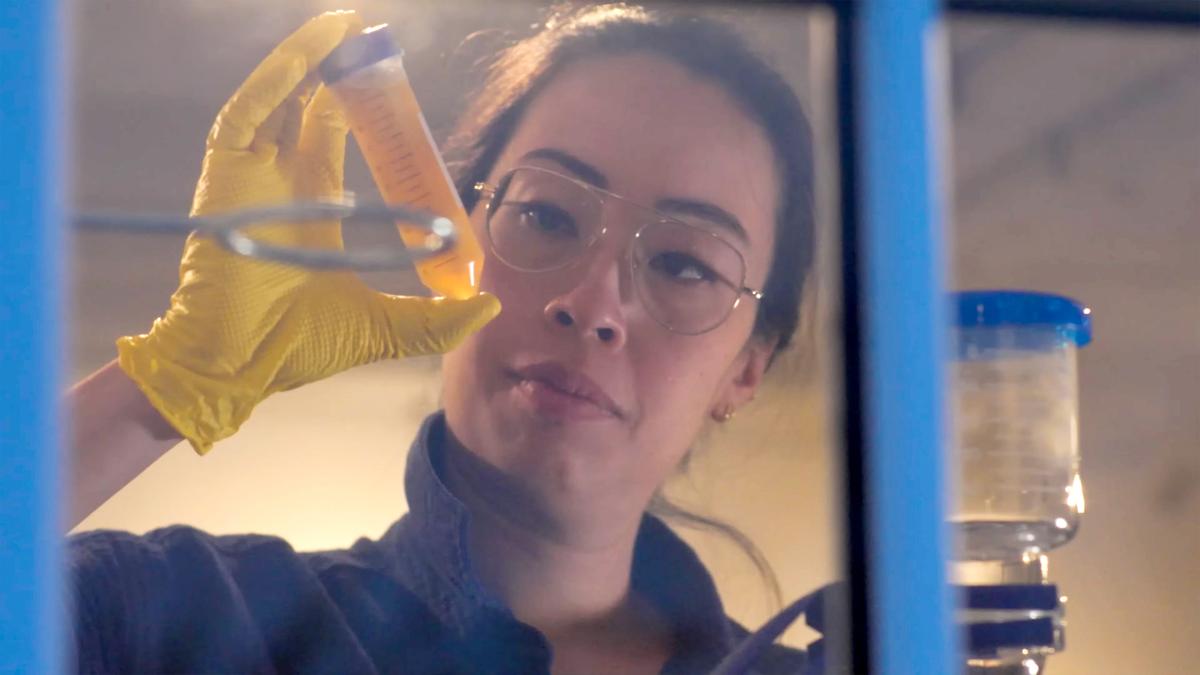
Bioacoustic scientist Wendy Erb, from the Cornell Lab of Ornithology, is spearheading the recording of forest sounds as Nusantara progresses. Her team has been documenting the soundscape across varied terrains, from mountains to mangroves and caves. Erb compares this data to a "time capsule," which can be used to compare environmental changes as the city grows.
This research may reveal areas where wildlife is being displaced, potentially guiding conservation efforts. Erb emphasizes the importance of paying attention to these changes, asking if we can tune our ears to notice if the natural world is becoming unwell.
Written by urgent.news from Mongabay's reporting — not their text. Machine-written — may contain errors; check the original before relying on it.