Are commercial sea drones a new headache for PLA in South China Sea and Taiwan Strait?
Small commercial sea drones that have shown they can monitor PLA warships in the South China Sea have emerged as a new potential challenge for Beijing in the disputed waters. Last week, Seasats, a California-based autonomous vessel maker, released footage – which has been verified by Reuters – showing its Lightfish drone operating near a Chinese Type 052D guided-missile destroyer on June 16. The…
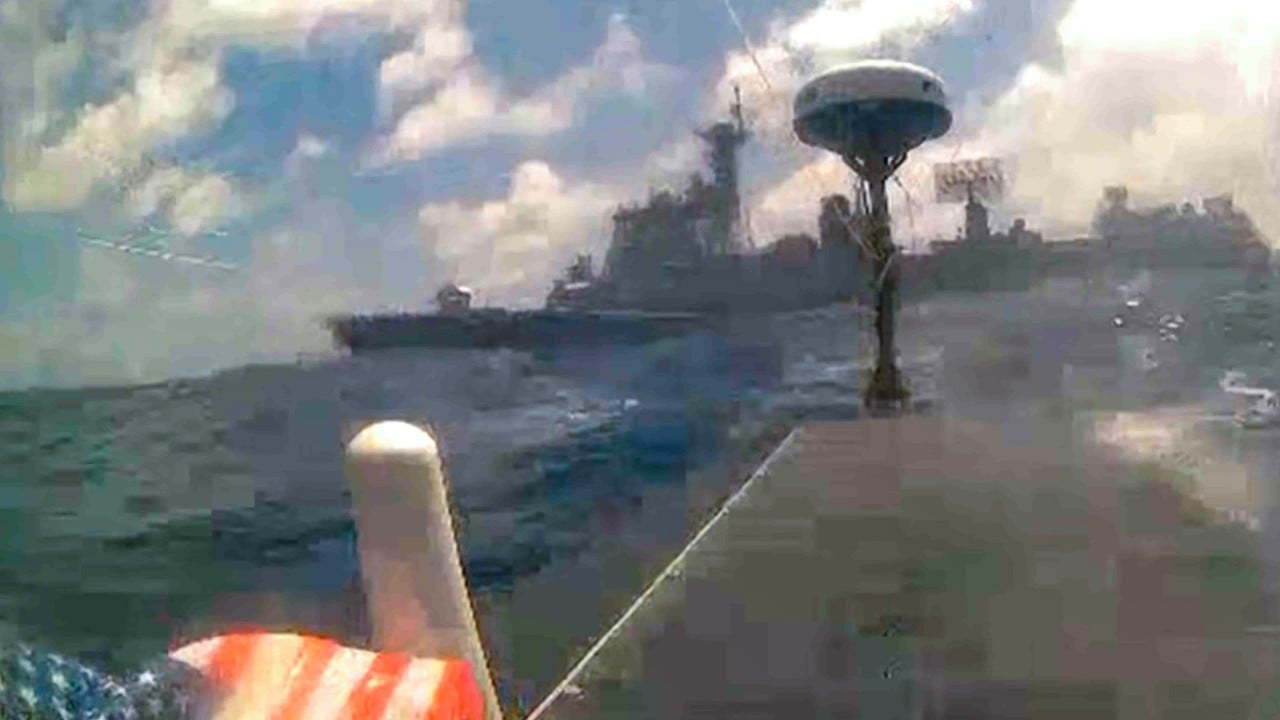
Commercial sea drones, particularly those made by California-based Seasats, are emerging as a new challenge for the People's Liberation Army Navy (PLA) in the South China Sea and Taiwan Strait. These autonomous vessels, such as the Lightfish drone, have demonstrated their ability to monitor PLA warships, as evidenced by footage released last week showing the drone operating near a Chinese Type 052D guided-missile destroyer 105km northwest of Luzon, the largest Philippine island.
The incident has raised concerns about the potential for these relatively inexpensive commercial platforms to augment satellite monitoring, increasing battlefield transparency and making it easier to spot enemy ships. While the Chinese foreign ministry has stated that PLA activities comply with international law, the incident highlights the evolving nature of naval warfare and the increasing role of private companies in maritime intelligence gathering.
Brief written by urgent.news from Reuters Business via SCMP's own syndicated text. Machine-written — may contain errors; check the original before relying on it.