Are beef-liver or standard iron supplements better for boosting iron?
Beef-liver supplements are said to be more effective at raising iron levels than standard tablets, but is it true? Columnist Alice Klein looks into the evidence behind the claims
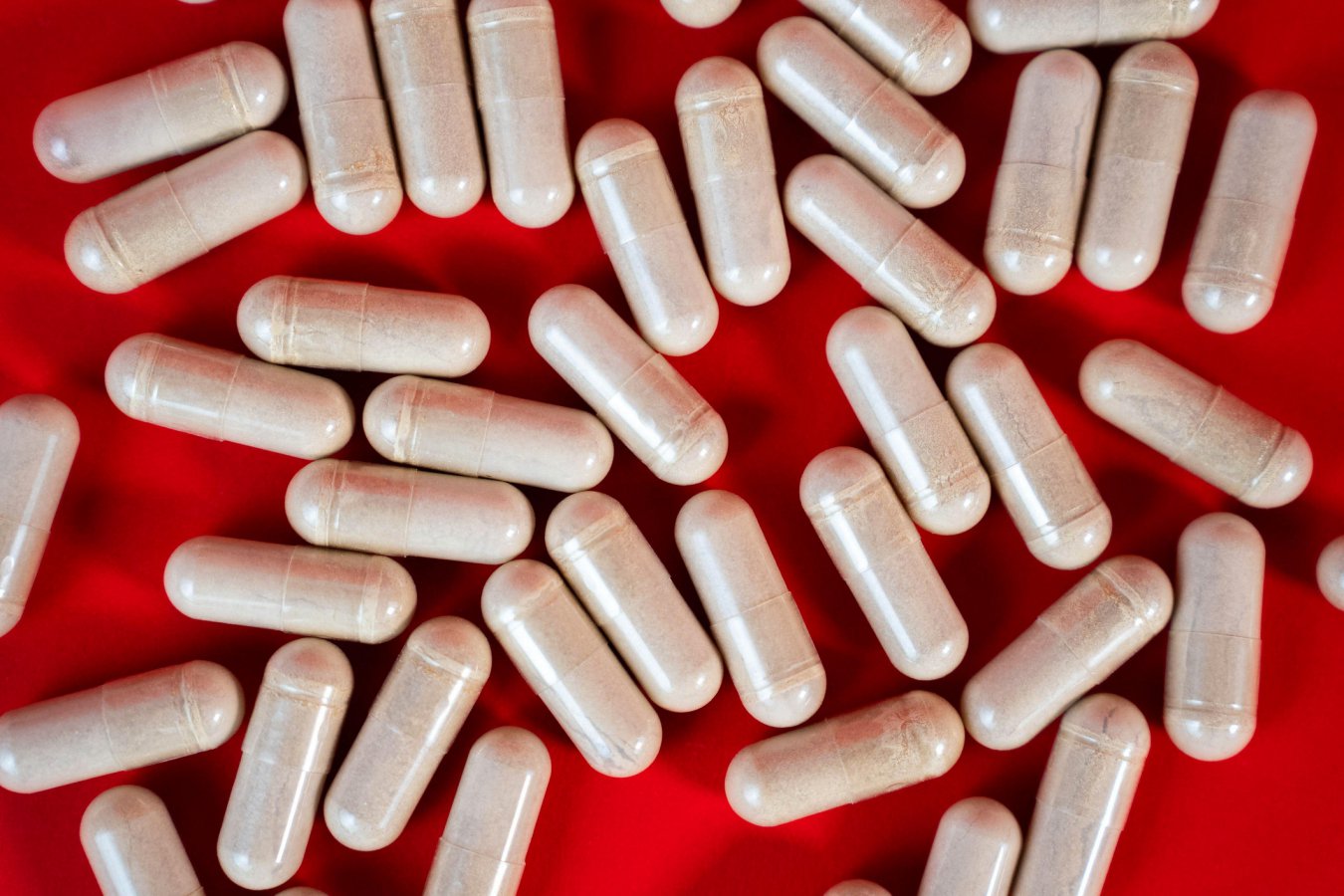
The debate over whether beef-liver or standard iron supplements are more effective in boosting iron levels has persisted. Iron deficiency is a common issue, particularly among pregnant women and those with menstruating cycles. Traditional iron supplements usually contain non-haem iron, found in plant foods, and have an absorption rate of 2 to 20 per cent. In contrast, haem iron, abundant in beef liver and other organ meats, is absorbed more effectively, with an estimated 15 to 35 per cent absorption rate.
Research suggests that beef-liver supplements could be more beneficial due to their high haem iron content. However, there is a lack of clinical trials to validate this claim. A recent trial involving Gambian babies revealed that while haem-iron supplements did not outperform standard non-haem iron supplements, they were associated with fewer gastrointestinal side effects such as constipation and diarrhoea.
Furthermore, beef liver contains additional nutrients like vitamin A and vitamin B12, which are beneficial for health.
However, there are concerns regarding heavy metal contamination in beef liver due to its role in toxin capture. A study conducted by researchers in Egypt found that 300 raw beef livers, primarily imported from the US, contained mercury, lead, and arsenic levels exceeding international safety standards. Though no specific studies have examined the heavy metal content in beef-liver supplements, this remains a significant concern.
Despite the potential benefits, the jury is still out on whether beef-liver supplements are superior to conventional iron supplements. The decision to use beef-liver supplements should be based on personal preference and dietary choices, especially considering the global prevalence of iron deficiency, which affects about a quarter of the world's population, particularly in low-income countries.
Written by urgent.news from New Scientist's reporting — not their text. Machine-written — may contain errors; check the original before relying on it.