Arbeitszeit: Dieser Rechner zeigt, wie viel Sie künftig arbeiten müssen
Sollte KI nicht Arbeitszeit ersparen? Erste Studien zeigen, dass teils das Gegenteil der Fall ist. Woran das liegt – und wie viel mehr oder weniger Sie womöglich bald arbeiten.
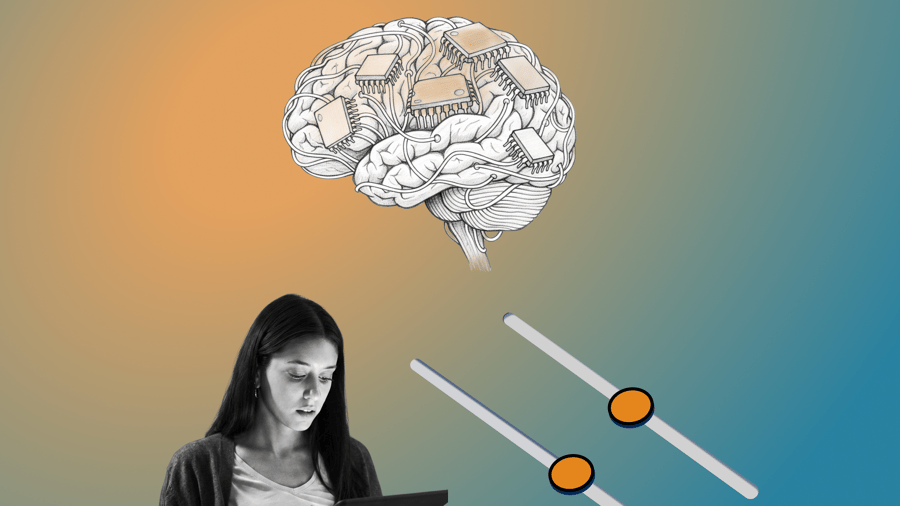
Recent narratives surrounding Artificial Intelligence (AI) claim that it can perform many tasks more efficiently than humans, potentially rendering entire jobs obsolete. Furthermore, AI is expected to create entirely new job opportunities and enhance efficiency, thereby reducing work hours. However, the reality is quite different for many workers.
Instead of experiencing reduced stress, many individuals feel an increase in workload due to AI advancements. Wei Jiang, an economics professor at Emory University in Atlanta, USA, has been puzzled by this paradox. While AI promises significant productivity gains, her own experiences and those of her research team indicate otherwise.
In collaboration with researchers from multiple other universities, Jiang has investigated how AI truly impacts the daily work routines and, more importantly, the work hours of employees. Using data from the American Time Use Survey (ATUS), the researchers demonstrated that, on average, work hours in the United States have been increasing rather than decreasing.
The Handelsblatt has utilized these research findings, along with data from the German Working Time Statistics, to create a calculator that predicts your 2027 work hours based on various criteria.
Written by urgent.news from Handelsblatt's reporting — not their text. Machine-written — may contain errors; check the original before relying on it.
This story
This is one outlet's version. Read the fullest account.