Approval Is Not a Boolean: What Must Still Be True When an Agent Resumes?
Human approval is a decision about one action under a particular set of facts. It is not a permanent permission bit. Imagine an AI agent preparing a refund request: Order: SO-1001 Amount: CNY 199.00 Reason: Duplicate payment The runtime classifies the action as high risk, pauses the task, and asks a human to approve the exact request. At 10:00, the approver reviews the parameters and clicks…
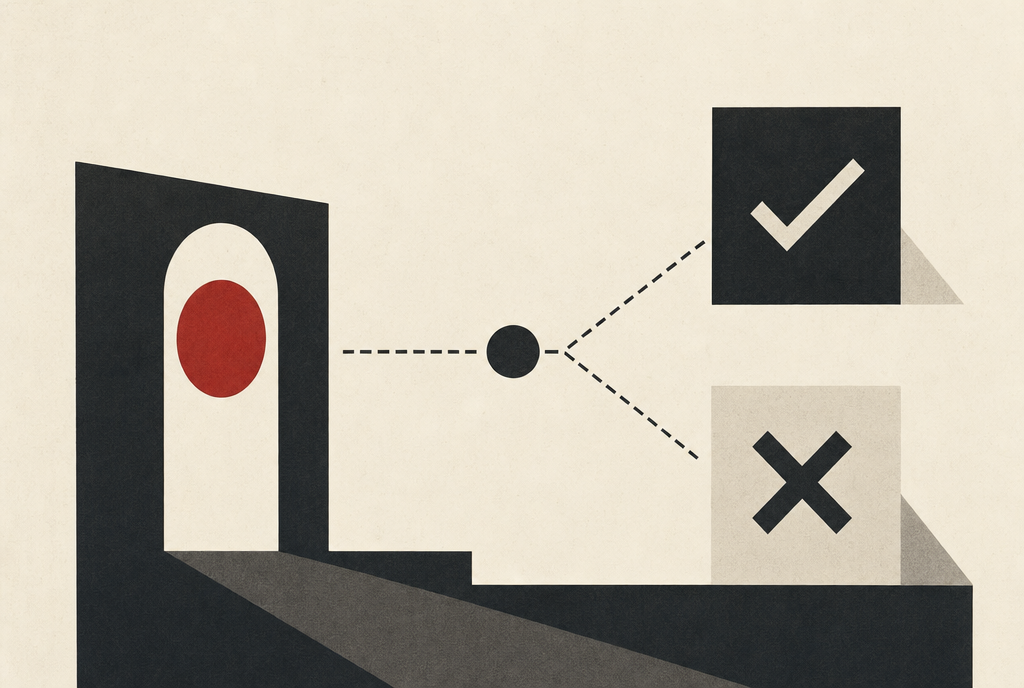
Approval is a nuanced decision tied to a specific action, not a permanent permission flag. When an AI agent prepares a task, such as a refund request, it may be paused for human approval due to high risk. However, between the approval and execution, numerous factors can change that could invalidate the approval. The approval's validity depends on five critical concepts: the approval intent, the decision made by the approver, the evidence of that decision, the validity of that evidence, and the final business authority to execute the action.
Collapsing all these complexities into a single boolean value can mask critical failure modes. A robust system should distinguish between the structural integrity of the action and its temporal validity, ensuring that the same request is being executed and that the decision remains applicable. Drifts can occur in various areas, such as the request itself, the subject and authority of the approver, the policies and capabilities involved, and the overall drift in the system.
Each of these factors must be checked to ensure the approval remains valid before the system dispatches the task.
Written by urgent.news from Dev.to's reporting — not their text. Machine-written — may contain errors; check the original before relying on it.