After Donald Trump's latest U-turn, uncertainty remains over talks with Iran
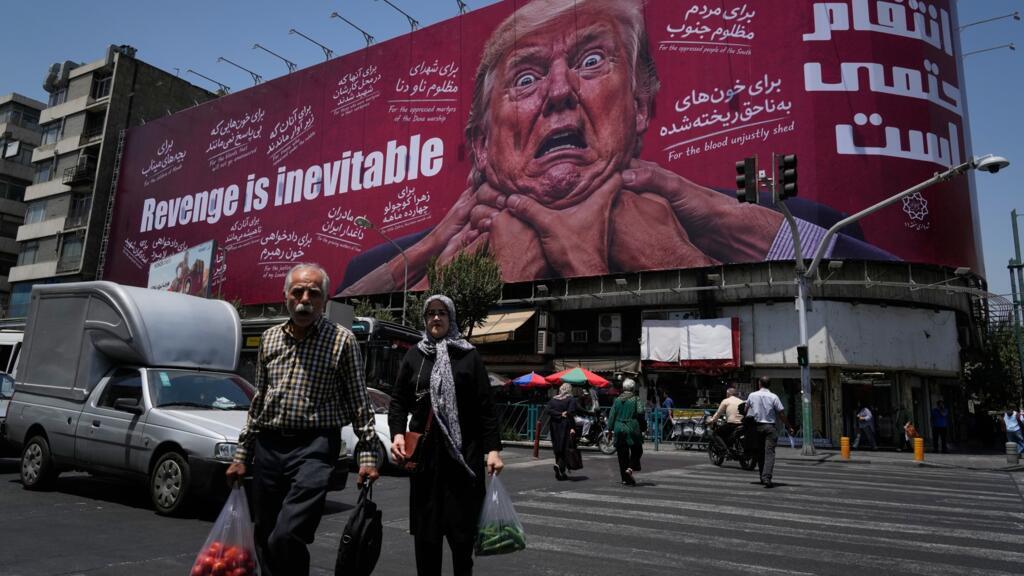
Between the U-turns, the posturing, the denials and the flexing of military might, it's hard to know exactly where negotiations between the US and Iran are actually at - if they have gone anywhere. While US President Donald Trump says negotiations are underway, Tehran has denied that any are planned but that it is in talks with Oman.
Oil prices experienced a significant decline on Sunday following President Donald Trump's decision to order U.S. forces to halt new strikes against Iran, as he expressed optimism over the possibility of a resolution to the ongoing conflict. This development could potentially allow oil shippers to resume transporting vessels through the Strait of Hormuz, a vital waterway in the Persian Gulf where oil and other products have been impeded by the fighting.
Consequently, the price of U.S. crude oil dropped by 5% to $80.79 per barrel, while the price of Brent crude, the international benchmark, fell by 5% to $83.87 per barrel.
Oil prices had been fluctuating wildly since the U.S. and Israel initiated attacks on Iran in late February, surging past $100 per barrel on several occasions during the spring months. As the conflict persisted, the high oil prices trickled down to impact the prices of essential commodities such as gasoline, jet fuel, and various products that rely on diesel for transportation.
Motorists faced increased costs at the gas pump, while air travelers endured higher fares due to elevated jet fuel expenses. In certain countries, fuel supplies became scarce, prompting rationing efforts and occasional closures of schools and government offices.
Despite the disruptions caused by the conflict, oil and gas companies managed to generate substantial profits during the spring as a result of the skyrocketing oil, gasoline, and diesel prices stemming from the inability of petroleum shippers to navigate through the critical Strait of Hormuz due to the ongoing battles. As of Sunday night, the prices for U.S. crude oil remained approximately 20% higher compared to the levels prevailing before the conflict commenced.
Written by urgent.news from Associated Press's reporting — not their text. Machine-written — may contain errors; check the original before relying on it.
This story
This is one outlet's version. Read the fullest account.
- Iran appears indifferent to latest Trump talk on negotiations egyptindependent.com
- Oil prices drop after Trump orders US forces to hold off on new strikes against Iran apnews.com
- Oil prices drop following Trump announcement on Iran talks middleeasteye.net
- Iran says Hormuz talks underway after Trump calls off strikes moneyweb.co.za
- Todd Blanche rescinds 'anti-weaponization fund'. And, Trump calls off striking Iran npr.org
- Trump demands lower gas prices from oil companies, chides Chevron CEO freemalaysiatoday.com
- Nothing gets through to Iran’s ‘unbelievably duplicitous’ leadership, Trump says jpost.com
- Crude oil futures fall over 5% as Trump pauses planned Iran strike thehindubusinessline.com