Africa's space race is becoming Washington's next China challenge
Space spending across the continent is approaching $1 billion a year. Whoever supplies the hardware now may be setting the terms for the next twenty years.
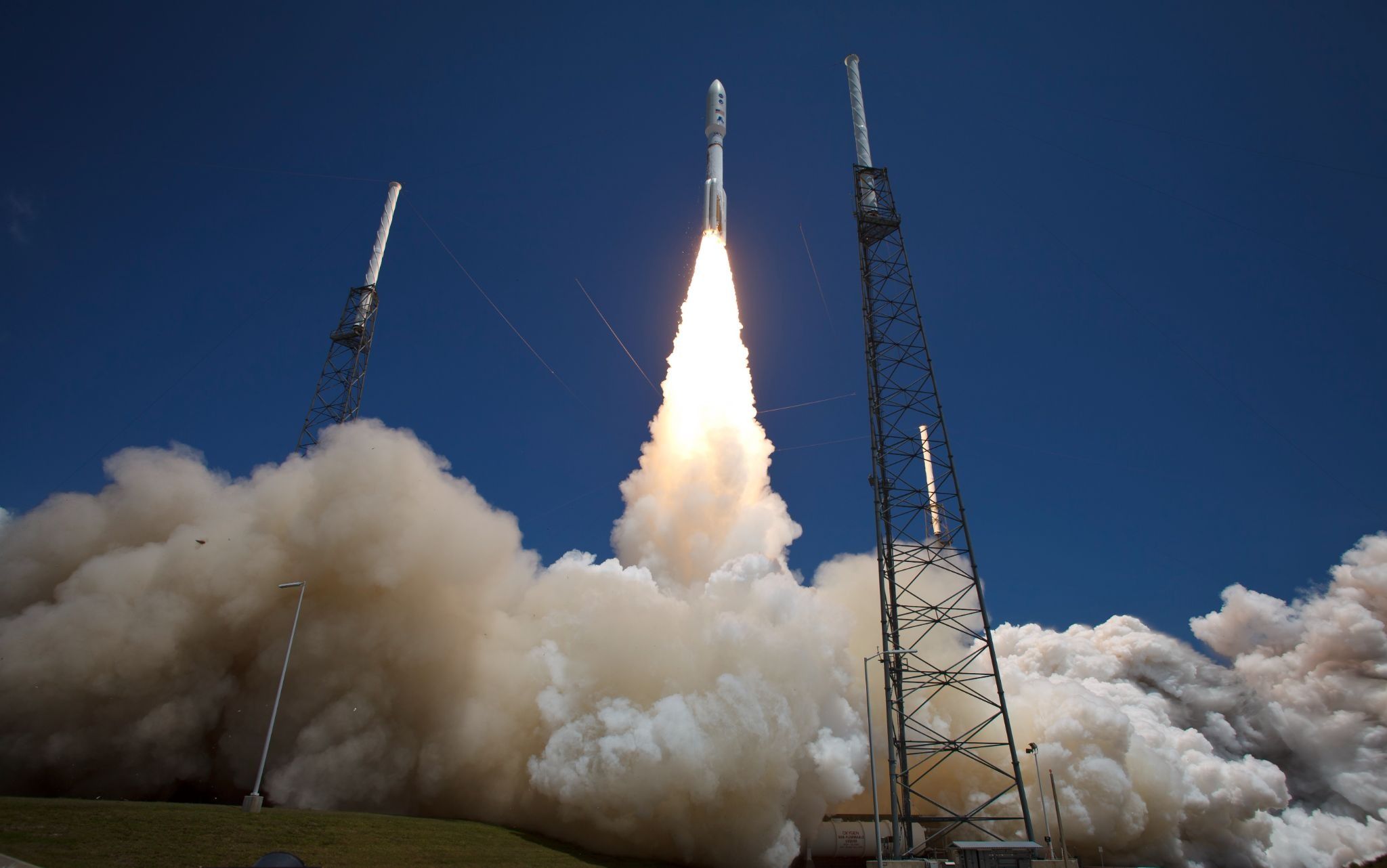
The burgeoning space sector on the African continent is altering the geopolitical landscape, presenting Washington with a new challenge in the form of China's growing influence. As African nations invest in their own space capabilities, they seek partners to provide satellites, fund infrastructure, and develop domestic skills. This shift is reshaping the dynamics between the US and China, as African governments increasingly prioritize satellite services for various applications, including mineral exploration, telecommunications, and national security.
The continent's space economy is projected to surpass $30 billion by 2030, up from $22.6 billion in 2024. With 18 countries having launched or acquired at least one satellite as of June 2026, and six more planning their first satellite by 2030, the continent's space sector is rapidly expanding. The choice of satellite suppliers can have long-term implications, as countries often adopt their partners' technical standards, maintenance networks, and training programs, forming relationships that can endure for decades.
This trend appears to favor China, as its companies have supplied integrated satellite packages to over 20 African nations, encompassing hardware, launch services, financing, infrastructure, and training. Similar bundled models have been offered by Europe, Russia, India, Japan, and the UAE. In contrast, the US has concentrated on satellite data, technical training, and regulatory cooperation, without developing any African satellites.
This focus may place Washington at a disadvantage, as African governments navigate their partnerships to establish domestic space industries while avoiding excessive dependence on any single power. Notably, China is poised to launch Africa's inaugural lunar science mission in 2029, with the Chang'e-8 moon lander carrying the "Bounced African Low Lunar Sphere" to the moon's south pole region, in collaboration with South Africa for a radio-quiet listening experiment.
Written by urgent.news from Semafor's reporting — not their text. Machine-written — may contain errors; check the original before relying on it.