A Better Tomorrow at 40: how John Woo blockbuster changed Hong Kong cinema – SCMP archive
Forty years ago, John Woo’s A Better Tomorrow was released. The action film is considered to be a turning point in Hong Kong cinema with directors like Quentin Tarantino citing it as an inspiration. In this On This Day article, we look at SCMP’s archive coverage of this modern-day classic. A Better Tomorrow was released on August 2, 1986. Due to its popularity, it ran in theatres for 61 days –…
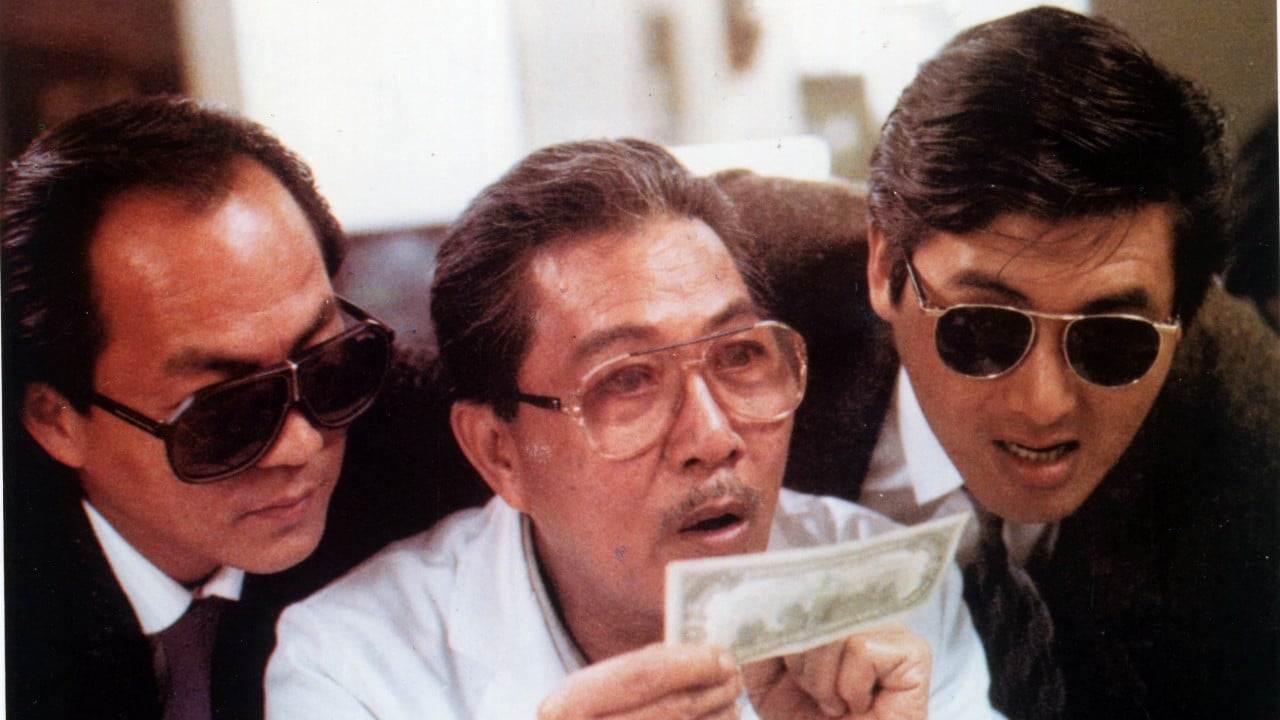
Forty years ago, the action film A Better Tomorrow stormed into Hong Kong cinemas on August 2, 1986, and changed the face of cinema forever. The movie, directed by John Woo, became a cultural phenomenon and continues to hold an iconic place in the hearts of film enthusiasts. A Better Tomorrow's release lasted a remarkable 61 days, making it a record-breaking success at the time, and cemented its position as Hong Kong's top film for that year, generating over HK$34.6 million in ticket sales.
This groundbreaking film marked a shift in the Hong Kong movie industry, steering it away from traditional martial arts genres towards a more modern-day action-oriented style. The focus of filmmaking began to shift towards gunplay, while still preserving the essence of fight choreography and themes. The film's influence extended beyond Hong Kong, garnering international acclaim with John Woo winning Best Director at the Golden Horse Awards in Taiwan and Chow Yun-fat receiving the Best Actor award for his portrayal of the iconic character, Brother Mark.
Brother Mark's distinctive trench coat and sunglasses ensemble became an unforgettable symbol of the film, so popular that Alain Delon sunglasses sold out in Asia during the movie's release, with the brand owner expressing gratitude to Woo in a personal letter. Due to A Better Tomorrow's overwhelming success, it spawned two sequels, although Woo declined to direct the third due to creative differences with his producer and co-writer Tsui Hark.
The film's influence is evident in the numerous remakes from South Korea (2010) and mainland China (2018), along with an unofficial remake by director Wong Jing in 1994.
Written by urgent.news from South China Morning Post's reporting — not their text. Machine-written — may contain errors; check the original before relying on it.