3 moons of Neptune may be remnants of ice worlds shattered in a catastrophic crash
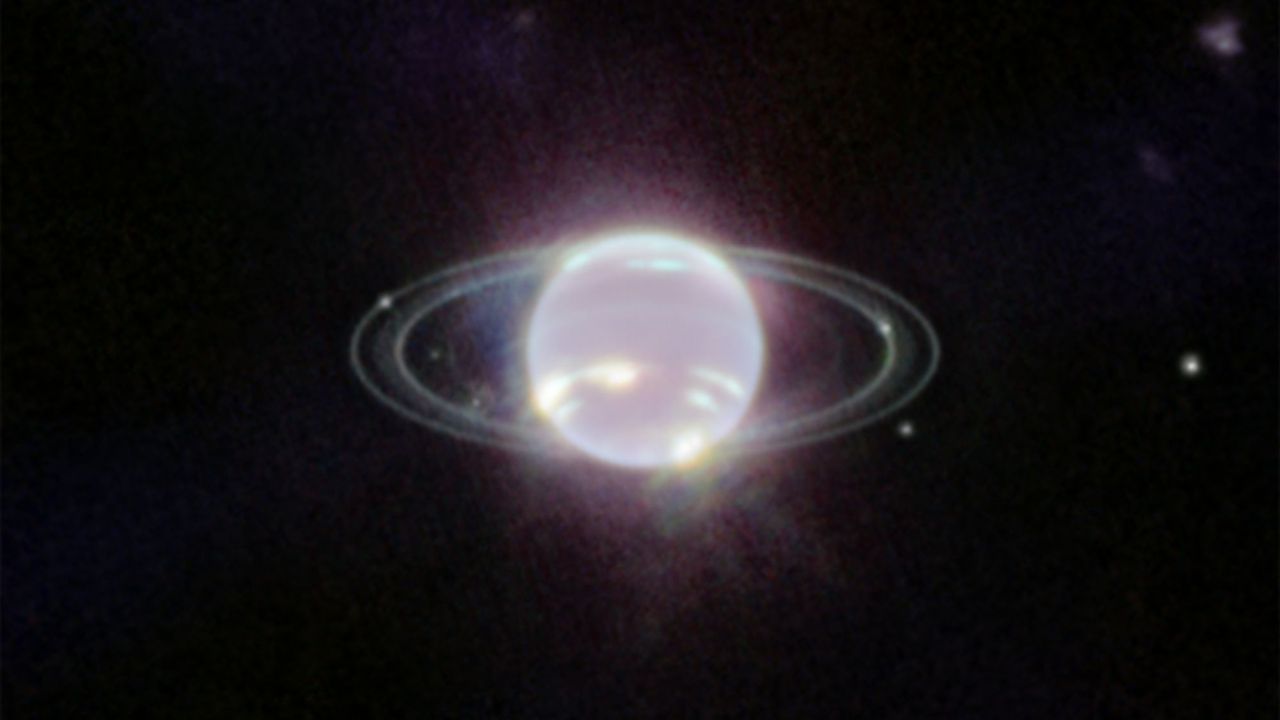
A new study suggests that three of Neptune's moons, Larissa, Galatea, and Proteus, may have been formed from the remnants of ancient icy worlds shattered by Neptune's largest moon, Triton. These moons, which are small and close to Neptune, were previously difficult to study in detail. However, using the James Webb Space Telescope, researchers were able to analyze the near-infrared light from these inner moons and reveal their chemical makeup for the first time.
The findings show that the moons contain clay minerals, specifically magnesium-rich phyllosilicates, which are commonly found in main belt asteroids and carbonaceous chondrite meteorites. This discovery could provide researchers with an unprecedented look at the interiors of icy worlds, as the interiors of large icy moons are typically hidden beneath thick shells of water ice.
Brief written by urgent.news from Space.com's own syndicated text. Machine-written — may contain errors; check the original before relying on it.