Your daily coffee is over 90% water, and tap water could be ruining your best beans — experts explain how to choose the right filter to unlock the full flavor
I spoke to water-quality experts to find out what I should look for when choosing a water filter to upgrade my coffee-making experience.
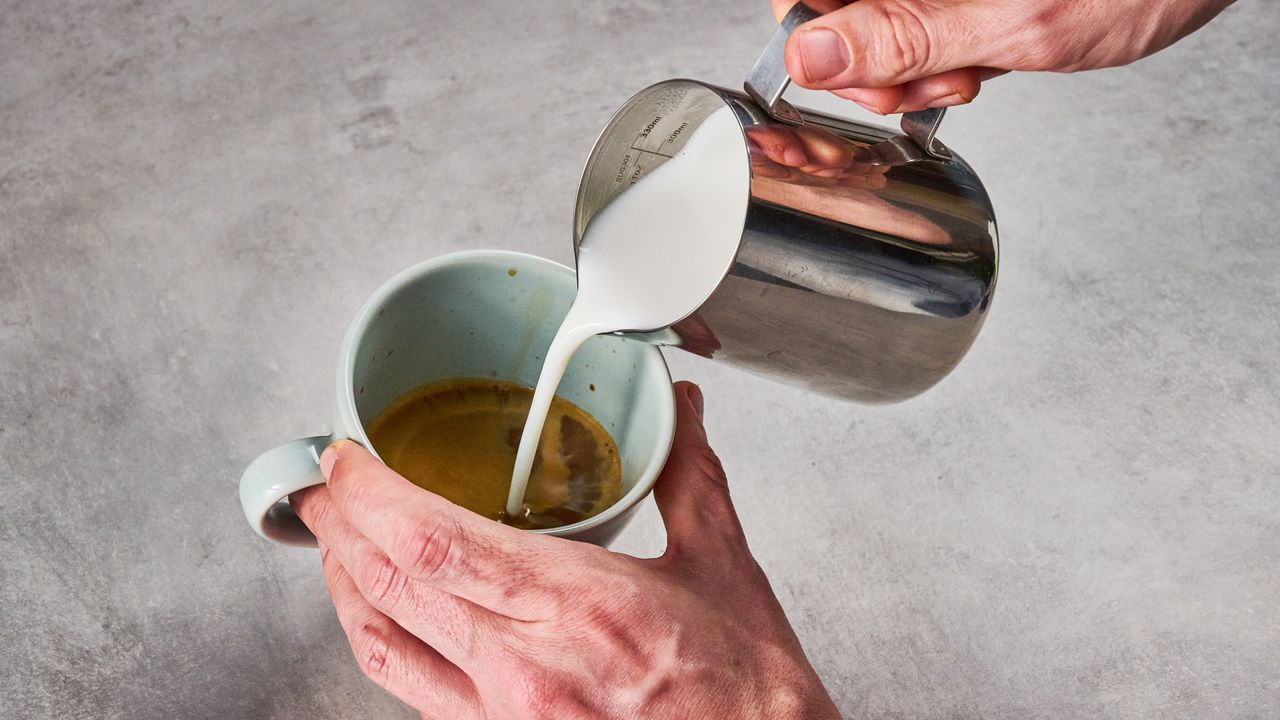
When it comes to brewing the perfect cup of coffee, water quality is often overlooked, but it plays a crucial role in the final taste. A double espresso is made up of over 90% water, and the minerals and other substances present can significantly impact the flavor. To elevate your coffee brewing experience, consider investing in a water filter that suits your needs.
Experts emphasize that tap water in the UK typically contains chlorine, which can react with coffee components, resulting in bitter, medicinal, or chemical notes. Boiling water may reduce chlorine levels, but it can also introduce unwanted flavors. Additionally, the mineral composition and pH of the water influence extraction efficiency and the balance of flavors in the final cup.
Since water companies vary their supply sources throughout the year, the same beans brewed with unfiltered water might taste different from season to season.
Not filtering your water can lead to more than just suboptimal coffee. It can also damage your expensive coffee machine. Hard water, which is not covered under the manufacturer's warranty, can cause mineral buildup, reducing the machine's efficiency within weeks. Even small amounts of scale can lead to significant issues, affecting water flow and the overall taste of the espresso.
Various types of filtration systems are available to enhance water quality for coffee brewing. One such system is the Our Taap Home Water System II, a countertop unit that connects to your mains water supply. This system uses a triple filtration process with UV purification to remove contaminants while preserving essential minerals.
Another option is the Aquaphor water filters, which include under-sink systems, pitchers, and even water bottles. Their advanced RO-101, RO-102, and RO-202 systems utilize reverse osmosis, a process that removes chlorine, bacteria, viruses, pesticides, and microplastics while optimizing mineral concentration—specifically, total dissolved solids (TDS) between 80 and 120 parts per million—for optimal coffee flavor.
The mineral content is crucial, as it affects both the taste and the longevity of your coffee machine. A TDS level in the range of 80 to 120 parts per million is ideal, as it prevents corrosion and limescale buildup. Aquaphor's filters employ granular activated carbon filtration, which excels at removing chlorine and some of its by-products, allowing the natural flavors of the coffee beans to shine through.
However, it's important to note that activated carbon filters primarily target chlorine and organic compounds, leaving water hardness, alkalinity, and mineral levels largely unaffected.
Written by urgent.news from TechRadar's reporting — not their text. Machine-written — may contain errors; check the original before relying on it.