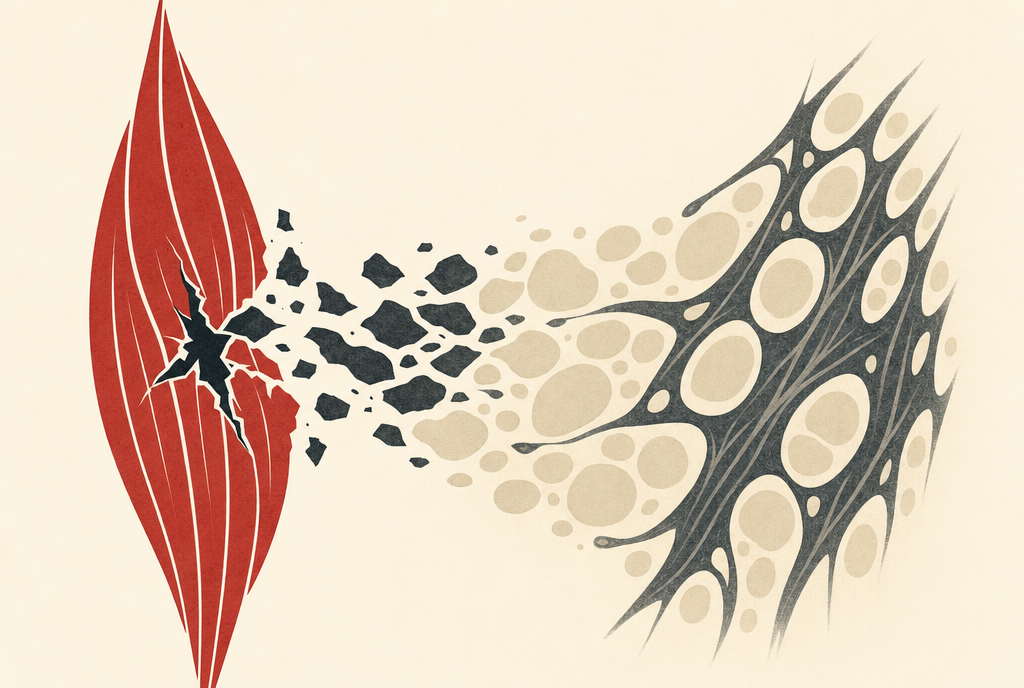
Without this protein, damaged muscle turns to fat and scar tissue
A protein once thought to mainly protect chromosome ends may also be essential for keeping muscle stem cells ready to repair injuries. Researchers found that TRF2 helps these cells maintain their identity and coordinate the cycle of rest, repair, and renewal.
A protein, traditionally recognized for safeguarding chromosome tips, exhibits an unforeseen function in aiding muscle stem cells to sustain their effectiveness and mend injured tissue, according to researchers at the University of Pennsylvania's Perelman School of Medicine. The discovery, published in Science Advances, could influence forthcoming research in muscular dystrophy treatments while also providing broader insights into cancer biology.
The study unveiled that TRF2, beyond its role in shielding chromosome ends, plays a critical role in preserving the genetic instructions within muscle stem cells that enable them to regenerate muscle post-damage. Traditionally, TRF2 has been perceived primarily as a protective mechanism for DNA at telomeres, the protective caps at the tips of chromosomes.
However, TRF2's involvement extends beyond telomeres to include controlling genes crucial for maintaining muscle stem cell identity. This revelation emerged from laboratory experiments where scientists observed TRF2 levels fluctuating in a precise pattern as muscle stem cells transitioned through various phases, including rest, repair, and self-renewal.
The protein's concentration rose and fell accordingly, suggesting its crucial role in orchestrating the regeneration process. To explore the consequences of TRF2's absence, the researchers deactivated the protein in laboratory mice with muscle stem cells. Surprisingly, while the mice's muscles initially appeared normal, their muscle stem cell population gradually diminished.
The cells did not perish, which was unexpected given the detrimental effects of TRF2 loss in other tissues. Instead, these cells lost the molecular characteristics necessary to function as muscle stem cells. This loss of identity had dire implications for injury recovery, as the damaged areas instead accumulated fat and scar tissue.
The researchers found that TRF2 impacts muscle stem cell identity by interacting with regulatory regions throughout the genome, particularly those involving G-quadruplexes, DNA formations also under investigation for potential cancer therapies. TRF2's dual role in preserving muscle stem cell identity and its potential influence on cancer progression provide a novel avenue for investigating how muscle stem cells maintain regeneration capabilities while mitigating the risk of cancer in muscle tissue.
The study, supported by grants from the National Institutes of Health, opens up new possibilities for developing therapeutic strategies for muscular dystrophy and sheds light on cancer biology in muscle tissues.
Written by urgent.news from ScienceDaily Health's reporting — not their text. Machine-written — may contain errors; check the original before relying on it.
Also reported by 1 other outlet
- Without this protein, damaged muscle turns to fat and scar tissue sciencedaily.com