With department stores shutting, are anchor tenants a thing of the past for malls?
Metro, which is an anchor tenant at Paragon and Causeway Point, announced last month that it would close its last two stores.
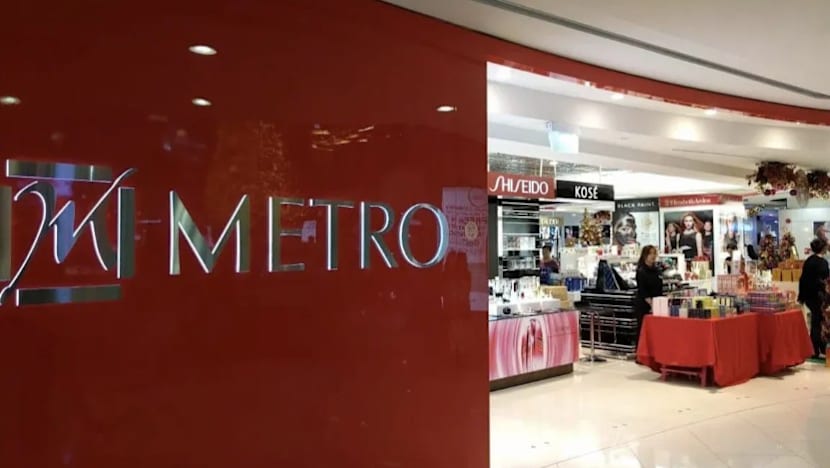
Department stores once served as the anchor tenants of Singapore's shopping malls, drawing crowds to the establishments. However, as consumer preferences have evolved, the importance of these anchor tenants has diminished. Metro, a department store operating in Paragon and Causeway Point malls, announced plans to close its remaining two stores, raising questions about the future role of anchor tenants in malls.
Retail experts believe that malls are now focusing on a diverse mix of food and beverage concepts, lifestyle brands, and entertainment tenants to maintain foot traffic. This shift in strategy is due to the changing tastes and preferences of Singaporean shoppers, who are becoming more discerning and well-traveled. Mall operators are also investing in curating unique offerings and experiences to differentiate their properties from competitors.
Anchor tenants are now seen as important in shaping the identity of a mall, rather than being the primary attraction. Dr. Chua Yang Liang, head of research and consultancy at JLL Southeast Asia, explains that department stores once drove foot traffic and a mall's branding, but their relevance has been diluted as department store brands are now sold directly through physical or online channels.
The decline of department stores highlights a broader change in what constitutes an anchor tenant. Dr. Chua notes that while smaller-sized anchors are now present within malls, the role of large-format tenants has evolved. Large anchor tenants, such as department stores, often pay lower rent per square foot, which may not be appealing to real estate investment trusts (REITs) that own many major malls.
Instead, mall operators are taking on the responsibility of attracting shoppers by creating loyalty programs, offering curated experiences, and understanding consumer needs.
Ms. Lynda Wee, Adjunct Associate Professor at Nanyang Technological University, emphasizes that mall operators now have the tools and data to target specific shopper demands, making anchor tenants less essential. She also points out that mall operators have become more strategic in their tenant mix choices, considering local demographics, community needs, and evolving consumer preferences.
For Ms. Jenny Khoo, head of retail and workspace management at Lendlease, the success of a mall now hinges on a well-curated, complementary mix of tenants that cater to the needs of the local community. She highlights the importance of supermarkets, entertainment, lifestyle, and wellness offerings in driving repeat visits and longer dwell times.
Mall operators face reputational risks when long-standing anchor tenants leave, as it may appear that the asset is not performing well. However, with proper strategic planning, mall operators can successfully transition into a new tenant mix and maintain their reputation as vibrant, engaging shopping destinations.
Written by urgent.news from Channel News Asia's reporting — not their text. Machine-written — may contain errors; check the original before relying on it.