Unlike the FTX collapse, the $89 million Coldcard exploit has investors sending bitcoin back to exchanges
The Coldcard vulnerability has smaller bitcoin holders moving funds onto exchanges for safety, according to blockchain analytics firms. This is opposite of the trend seen following the FTX collapse in late 2022.
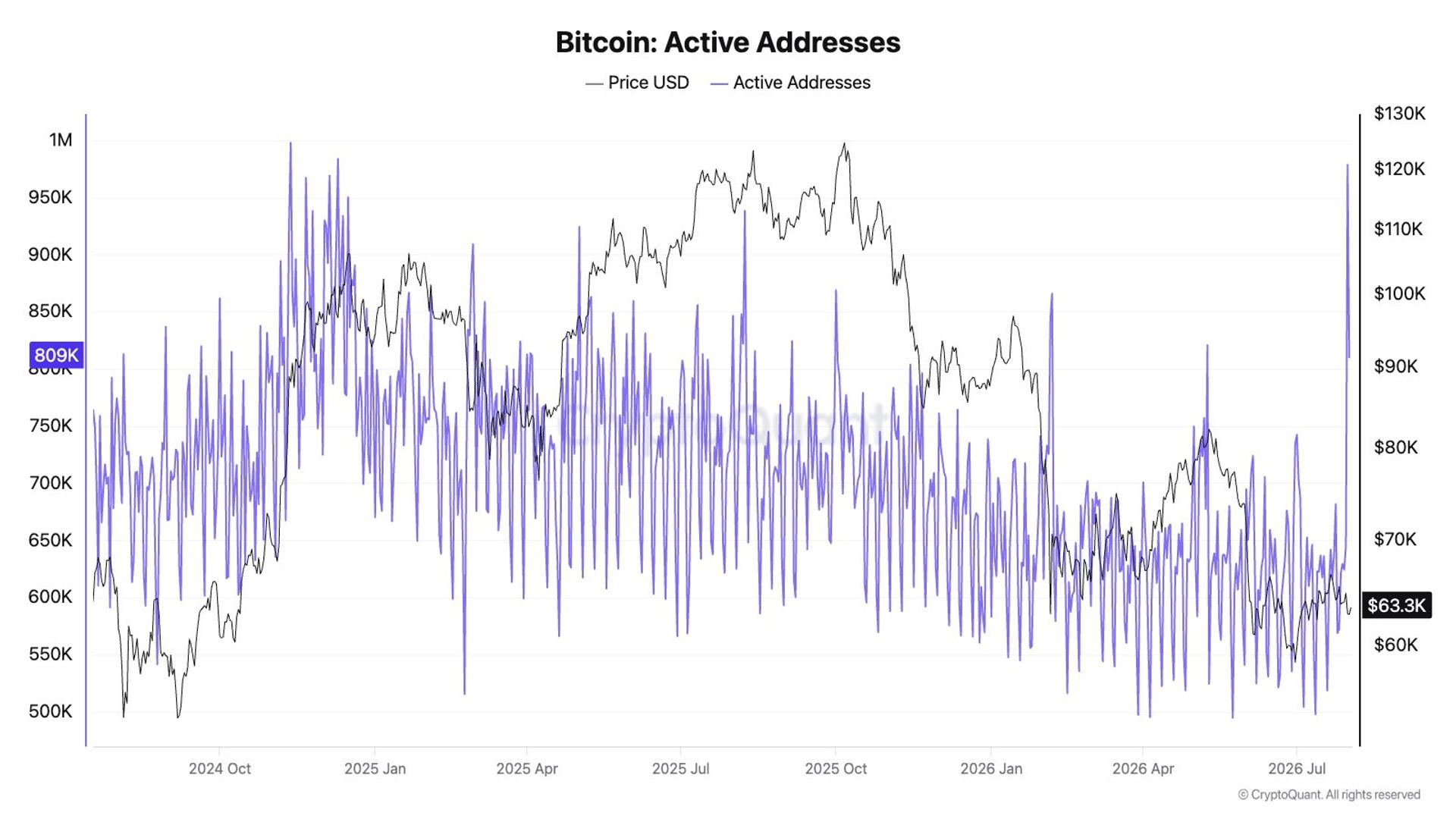
In contrast to the FTX exchange collapse earlier this year, investors are now actively moving their Bitcoin holdings back to centralized exchanges following the recent security incident involving the Coldcard hardware wallet. According to blockchain analytics firm CryptoQuant, daily Bitcoin deposits to exchanges in transactions under 10 BTC surged to 7.3K BTC on Friday, the highest level since February 6.
This shift in investor behavior marks a stark contrast to the mass withdrawal of funds seen after the FTX collapse when users moved their assets into self-custody solutions like hardware wallets and personal devices.
The Coldcard incident began on July 30 and has since resulted in an estimated loss of 1,000–1,300 BTC (approximately $70–$90 million) across over 1,000 addresses. Attackers exploited a firmware bug in the hardware wallet, which dates back to March 2021, causing some devices to generate predictable seed phrases instead of using their hardware's random number generator. This weakness allowed attackers to reconstruct likely seed phrases and derive private keys without physically accessing the devices.
The security flaw has prompted many investors, including Binance founder CZ, to reconsider the safety of hardware wallets and self-custody in general. As a result, many have shifted their smaller Bitcoin balances to exchanges in a bid for perceived safety. Blockchainsleuth Timechainindex noted that total net inflows to exchanges reached 11,163 BTC on July 31, with the majority flowing into major exchanges such as Binance, River, Kraken, and OKX.
Despite the incident affecting Coldcard specifically, most hardware wallets and properly generated seeds remain unaffected. The current episode highlights the ongoing concerns surrounding self-custody, particularly in light of the vulnerability in Coldcard units. However, it is essential to note that the majority of holders with Bitcoin stored on centralized exchanges have not experienced any losses due to this exploit.
Written by urgent.news from CoinDesk's reporting — not their text. Machine-written — may contain errors; check the original before relying on it.