Tokenization in AI: What Is It, Why Is It Used, and How Does It Work?
Have you ever wondered how an AI model understands the sentence you type? For example, when you ask: «"How do I learn Python?"» An AI model doesn't directly process the entire sentence like a human does. Before the model can work with your text, the text usually goes through an important step called tokenization. In this post, we'll learn: What tokenization is Why AI models use tokenization How…
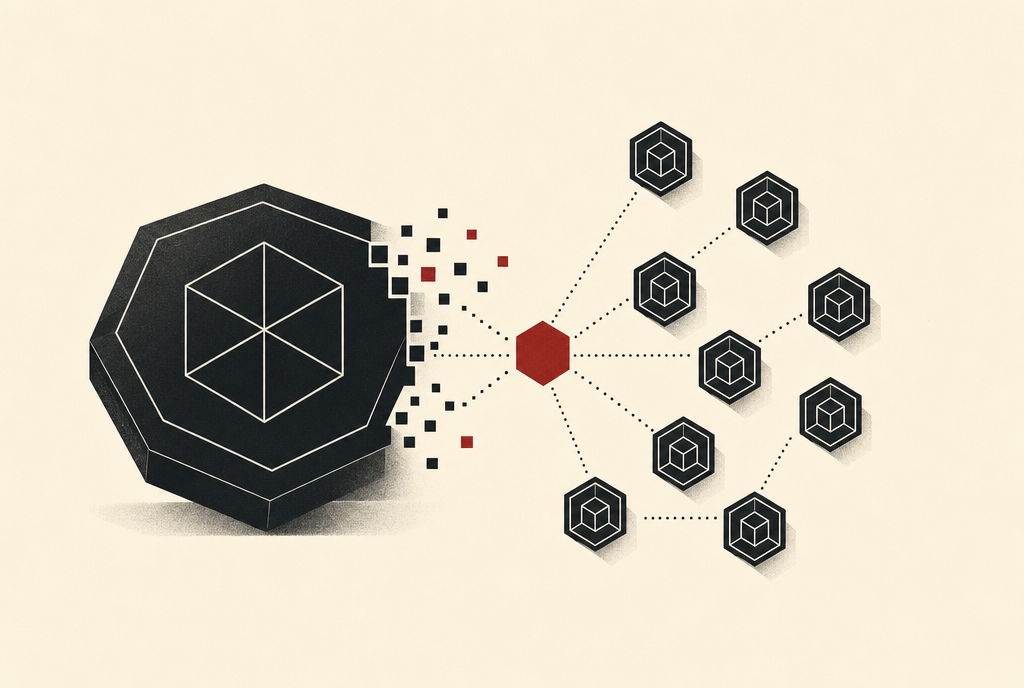
Tokenization is the process of breaking down human-readable text into smaller pieces called tokens. These tokens can be complete words, parts of words, punctuation marks, numbers, or special symbols. The specific tokens produced depend on the tokenizer used by the AI model. Tokenization is crucial because AI models understand numerical representations rather than raw text.
The process of converting text into tokens involves transforming human language into numerical representations, which can then be processed by the AI model. The model uses token IDs to represent tokens, which are essentially numerical values assigned to each token. One important aspect to understand is that tokens are not always complete words; sometimes, they can be subword units derived from larger words.
This approach allows AI models to handle new, rare, or technical terms more effectively. Tokenization is not limited to ordinary text; it is also essential for AI coding tools. For instance, AI programming assistants can process various programming languages by breaking down code into tokens. The tokenization process is essentially the opposite of detokenization, where tokens are converted back into human-readable text.
Written by urgent.news from Dev.to's reporting — not their text. Machine-written — may contain errors; check the original before relying on it.