There Are 2 Eclipses This August. Here’s How to See Them
Everything you need to know about the solar eclipse and lunar eclipse that will occur in August 2026.
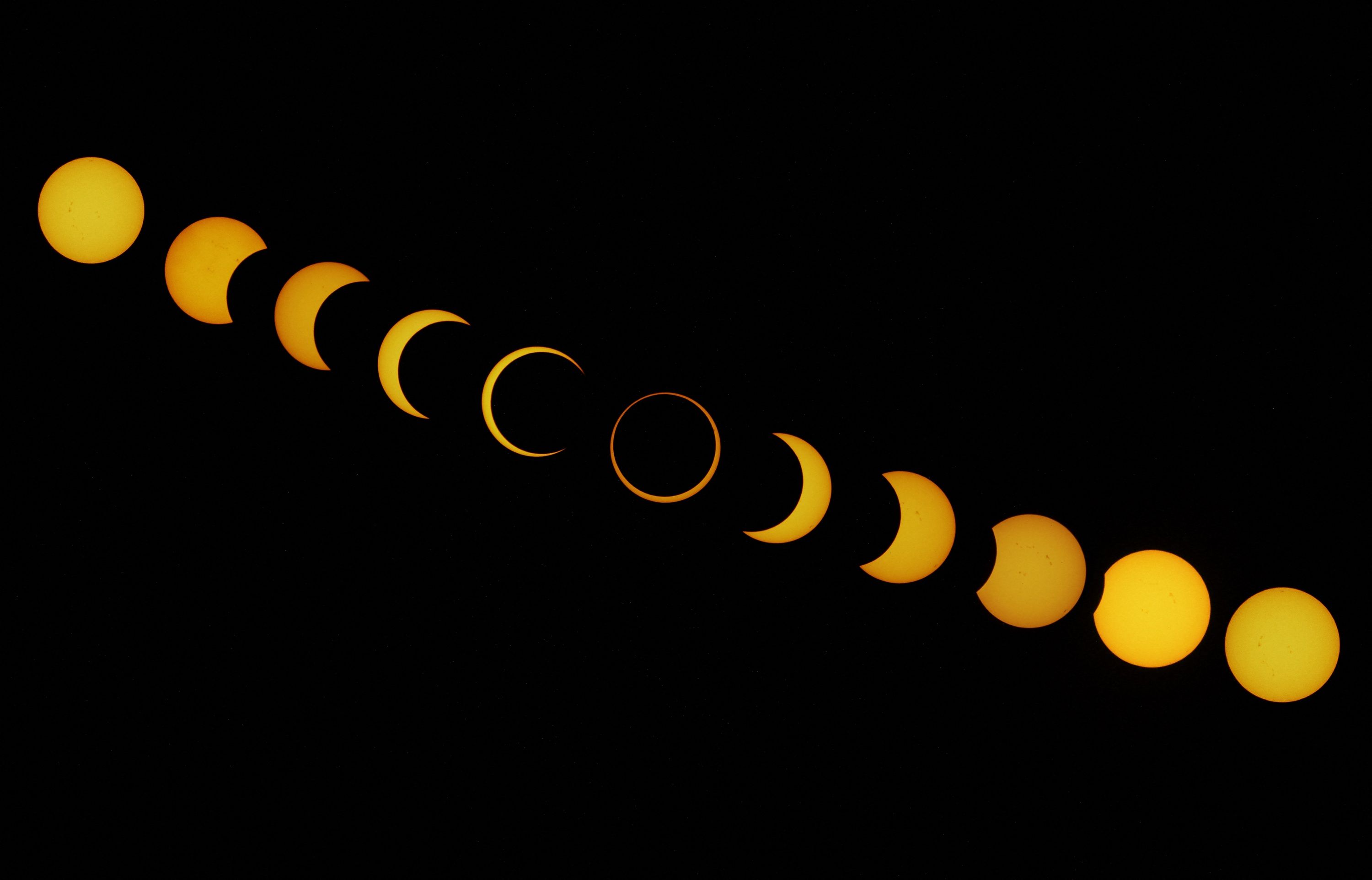
Two celestial events are set to grace the skies in August 2026: a total solar eclipse and a partial lunar eclipse. These rare occurrences will be the last of their kind this year, as two more eclipses have already occurred.
The first event on the agenda is the total solar eclipse on August 12. This occurs when the moon aligns between the Earth and the sun, casting a shadow over our planet. The path of this eclipse will stretch from west to east, starting in the Arctic. While totality—when the sun is entirely obscured—will be visible only in sparsely populated stretches of eastern Greenland and the far western edge of Iceland, other northerly locations like Canada, Iceland, and parts of the North Atlantic will witness a partial eclipse.
The most densely populated area in the eclipse's path is Spain, marking the first time the Iberian Peninsula will experience a full solar eclipse in over a century. The eclipse will peak in the late afternoon, right as the sun is low on the horizon, making for a dramatic and visually stunning display. However, it's crucial to note that viewing the eclipse with the naked eye is strictly prohibited.
Following the solar eclipse, the lunar eclipse on August 27-28 will take center stage. This partial lunar eclipse happens when the Earth positions itself between the sun and the moon, casting its shadow over the lunar surface. This celestial event will be visible across a vast region of the planet, with the Americas, primarily eastern and central Canada, the US, Mexico, and Central and South America, being the best places to observe it.
The eclipse will be best viewed in these regions, with up to 96 percent of the lunar disk falling into the Earth's shadow. Best viewing conditions include clear skies and minimal light pollution, so finding a location away from major cities will enhance the viewing experience.
Written by urgent.news from Wired's reporting — not their text. Machine-written — may contain errors; check the original before relying on it.