The Pixel 6 was a glorious mess, and Google is better for it
The Pixel 6 caused me a lot of pain.
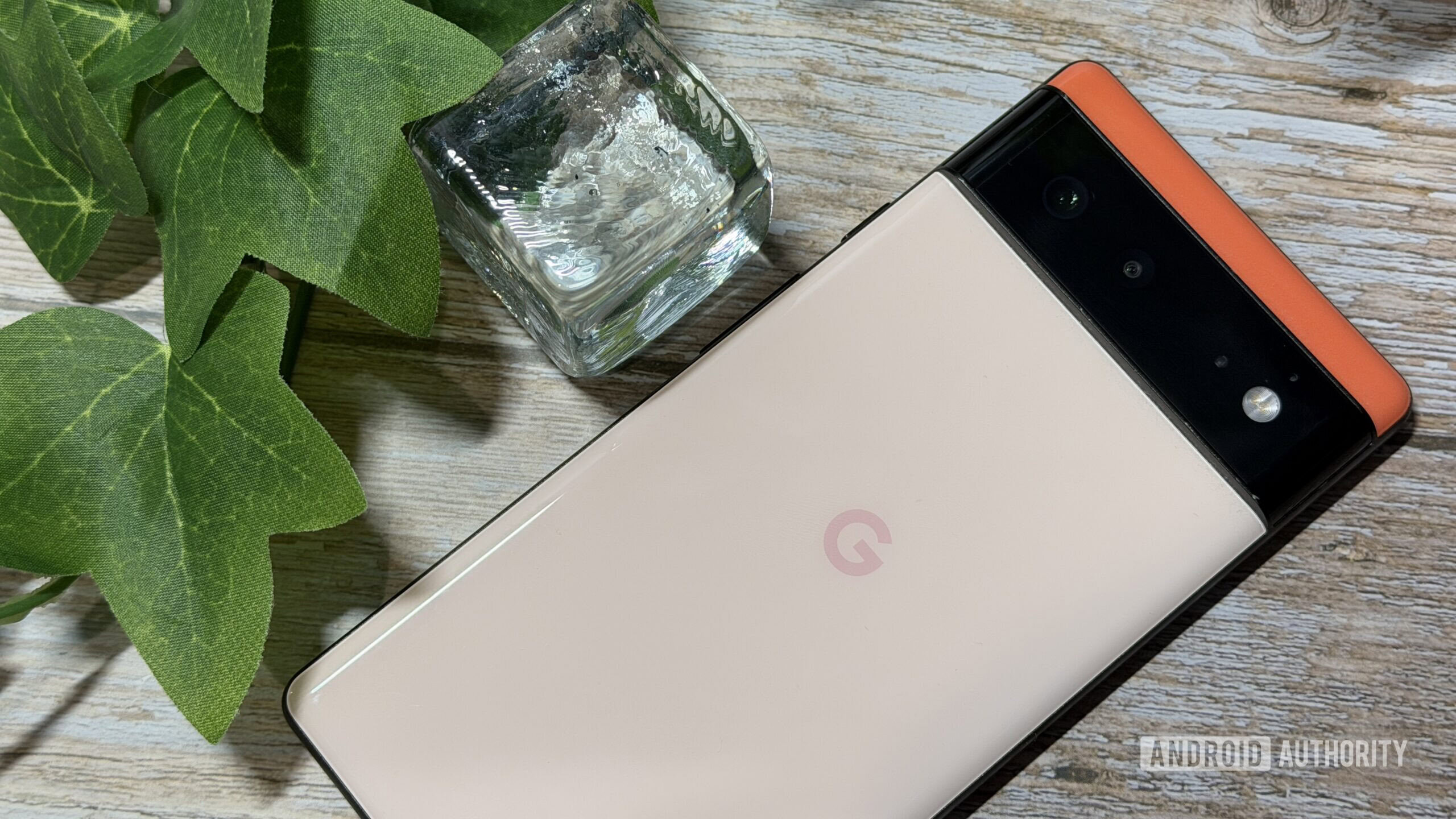
The Pixel 6 evoked mixed reactions, but its discontinuation is bittersweet. Google extended support for another couple of years and optimized software updates for the aging hardware. This marks a significant shift in Google's smartphone history, marking the beginning of the Tensor era and defining Pixels' identity. The Pixel 6 was a complex device, encapsulating Google's hardware journey.
Before the Pixel 6, Google's phones felt lost and outdated, with the Nexus series holding sentimental value and laying the groundwork for what Pixel would become. The original Pixel and Pixel 2 introduced unique photography and stock Android experiences, with the Pixel 2 XL offering exceptional cameras. However, early Pixels often felt awkward and behind Samsung's offerings.
The Pixel 4 XL had a small battery and 6GB of RAM, but the Pixel 5 seemed like Google giving up, hoping software could compensate for a midrange phone. The Pixel 6, with its new chipset and design, aimed to reclaim Google's spotlight. However, its launch was problematic, with many units experiencing issues, including the Tensor chipset overheating and draining the battery.
Despite the initial troubles, Google resolved the issues, but the Pixel 6 set the stage for two years of challenges. This serves as a reminder that every company, including Google, must start somewhere, even if it means being an early beta tester for new technology. Google's later efforts have been solid, and the Pixel 6 still performs well on Android 17, offering a satisfying software experience.
While it won't receive further Android upgrades, the Pixel 6 still functions well as a daily driver. It may not match the performance of modern flagships, but its multitasking capabilities and camera quality make up for its shortcomings. Though Pixels are divisive among enthusiasts, it's gratifying that Google persevered despite its hardware limitations.
The Pixel 6's high price tag, $600, was a relic of a different era, reflecting the company's struggle to compete with Samsung and other manufacturers. The Pixel 6's start was tough, but its solid finish mirrors Google's hardware journey, showcasing the brand's ability to find value in unique ways, even if those offerings aren't universally valued.
Written by urgent.news from Android Authority's reporting — not their text. Machine-written — may contain errors; check the original before relying on it.