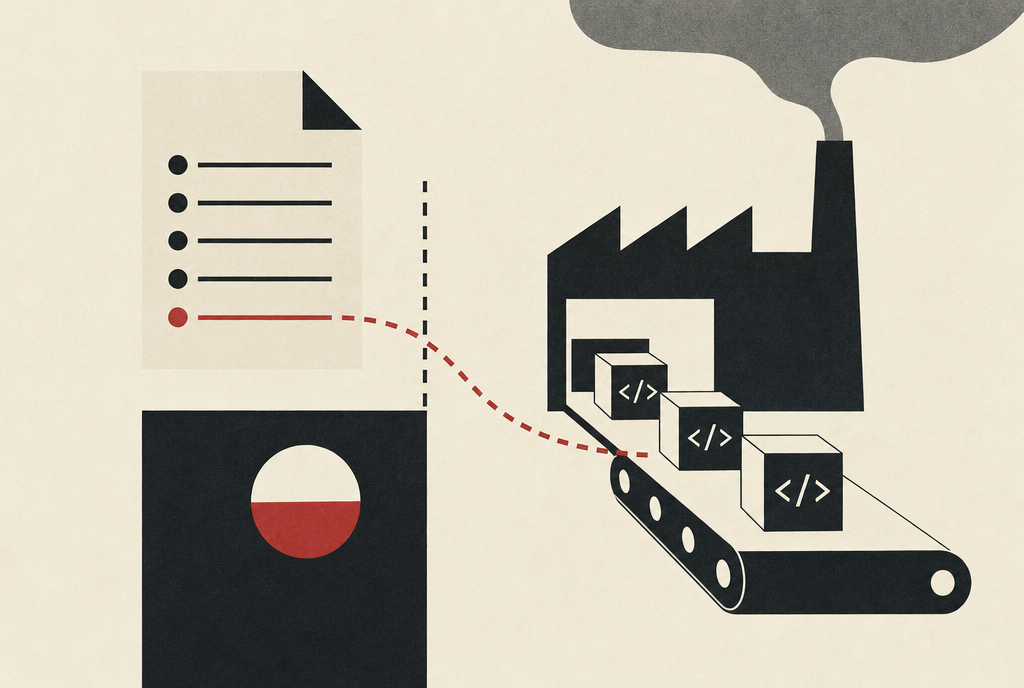
The Golden Rule of Payout Systems: Why "Pending" is Never a Failure
When you start working on modern payment infrastructure, moving money seems deceptively simple. A user initiates a payout. Your system calls a banking API. The bank responds with success or failure. You update your database accordingly. At least, that's how it looks on architecture diagrams. In reality, payout systems operate in a world of partial failures, delayed confirmations, network…

When designing modern payment systems, a fundamental principle emerges: never assume a payout has failed without definitive proof. This seemingly counterintuitive approach hinges on understanding that banking infrastructure rarely behaves synchronously. A seemingly failed request may still be progressing through various internal systems, queues, and settlement layers.
A timeout, unexpected status code, or brief service outage should not automatically equate to a payout failure. Treating uncertainty as an unknown state rather than a failure minimizes financial risk. Mistakes arise when false failures are made by incorrectly marking successful transactions as failed or delaying the processing of potential failures.
The former leads to costly duplicate payouts, ledger inconsistencies, and recovery challenges. The latter, while frustrating for users, is easier to manage with clear communication, reconciliation, and controlled fund handling. Mature payout systems err on the side of caution, prioritizing risk minimization over speed.
Written by urgent.news from Dev.to's reporting — not their text. Machine-written — may contain errors; check the original before relying on it.