Teenage girl's death sparks calls to change 'hostage justice' in Japan
A 16-year-old girl's family alleges she was so traumatised by her time in a police cell, it killed her. Her case is now the focus of court action alleging she was a victim of Japan's "hostage justice" system.
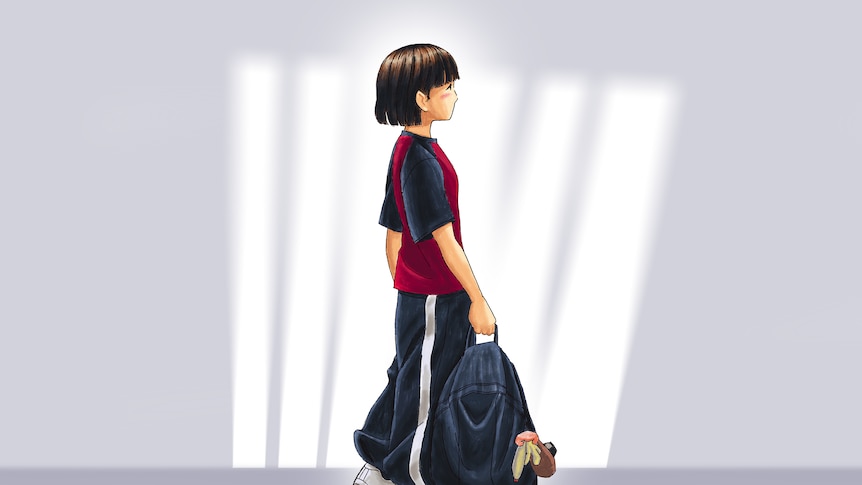
In June last year, a 16-year-old girl named Runa was taken into police custody by her mother, Nami, in Japan. The family was informed that Runa would be held for 18 days before they could see her again. Nami insisted on being present within 30 minutes of the police taking her daughter, but by the time she arrived at the scene, Runa was already gone. Runa had become severely emaciated and unrecognizable during her time in police custody. Within five months of her release, Runa had passed away.
Runa's confinement and death have sparked calls for reform in Japan's "hostage justice" system, a term used by critics to describe the prolonged detention of suspects while trying to secure a confession. The family alleges that Runa's arrest was unlawful and that she suffered from an eating disorder as a result of her prolonged detention. Her notebook, seen by the ABC, indicates that Runa was regularly pressured to confess during her interrogations and expressed her longing to see her family and eat with them.
Japan's justice system allows police to detain a suspect without charge for up to 10 days if a judge finds probable cause for a crime and a risk of evidence destruction or fleeing justice. The detention can be extended by another 10 days. In Runa's case, the family believes the extended detention led to her deteriorating mental and physical health.
The MP responsible for the government's legal affairs, Mori Masako, called the situation "unthinkable" and is calling for reforms, questioning the validity of the country's 99% conviction rate.
Written by urgent.news from ABC News AU's reporting — not their text. Machine-written — may contain errors; check the original before relying on it.