Strong health systems for all with better public spending
With foreign aid cuts and strained domestic budgets, the way forward may be to spend available money better
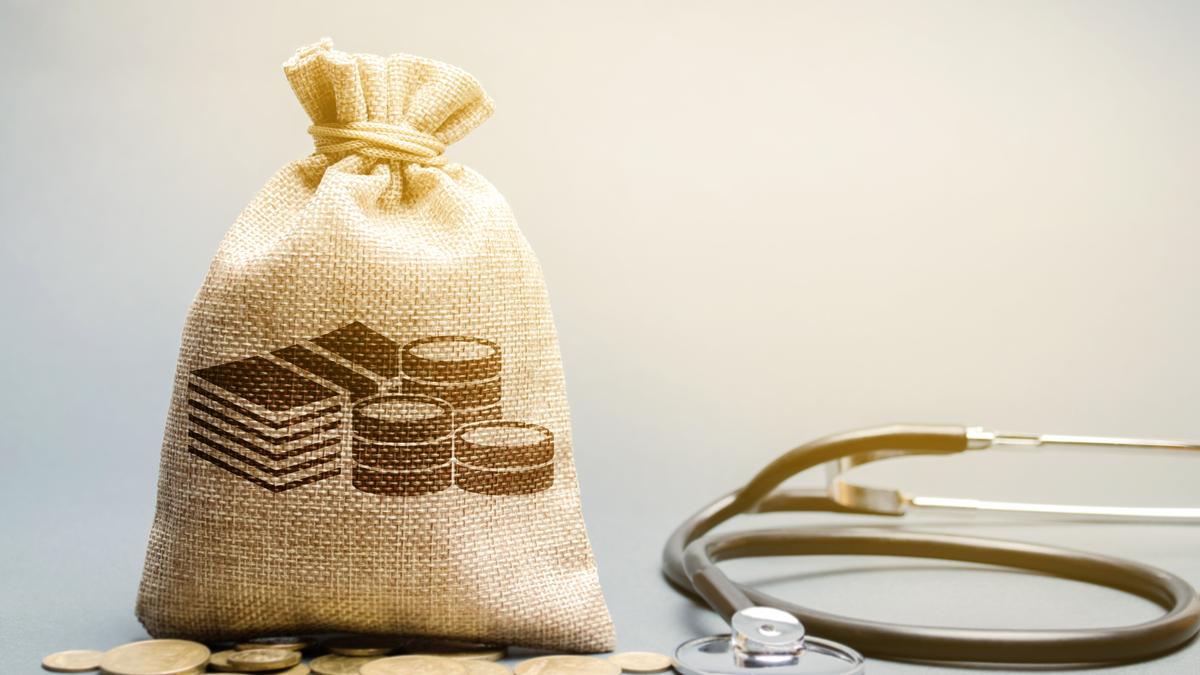
The conversation surrounding the development of robust public health systems often begins with financing. However, according to World Bank data, low- and middle-income countries (LMICs), including government spending and off-budget assistance, allocate roughly half the minimum recommended public health spending per capita in comparison to high-income nations.
The disparity in health expenditure between LMICs and high-income countries has narrowed from 2.05 percentage points in 2000 to 1.68 percentage points in 2023. Despite this improvement, recent World Health Organization statistics reveal that the per capita gap has actually expanded more than threefold over the same period.
Development assistance for health (DAH) has long played a crucial role in bridging the funding gap in LMICs, reaching its highest point in 2021 due to the COVID-19 pandemic. Nonetheless, the surge in DAH dwindled sharply after the pandemic. In early 2025, major donors like the United States — historically contributing over a third of global DAH annually — announced a 67% reduction in their foreign assistance program.
Similarly, the United Kingdom, France, and Germany slashed their contributions by 39%, 35%, and 12%, respectively. The Organisation for Economic Co-operation and Development (OECD) projects health funding could plummet by up to 60% from its 2022 peak. Meanwhile, national budgets are strained by rising public debt and its associated costs.
Global public debt reached a record $102 trillion in 2024, with developing nations bearing $31 trillion of that total. UNCTAD's 2024 report indicates that developing countries paid a record $921 billion in net interest payments on their public debt in 2024, leaving less for other priorities, including healthcare.
Given the shrinking public funds, the path forward may lie in spending available resources more effectively. Three strategies can enhance the impact of public health spending: maximizing available funds, prioritizing the right investments, and improving governance and operational efficiency. First, ensuring budgets are fully executed is vital, as health budgets in LMICs are typically implemented at 85%-90%, lower than general budgets or education.
For example, only two-thirds of funds allocated to India's flagship health infrastructure mission were spent in 2024-25. Secondly, allocating resources to the right areas is crucial. While wages and salaries are generally well-funded, financial shortfalls in goods and services leave healthcare providers under-equipped. Moreover, a substantial portion of health funds often targets curative care at secondary and tertiary levels, neglecting preventive, primary health care.
According to the London School of Hygiene & Tropical Medicine, India allocates less than a quarter of its health budget to preventive care. Strategic spending on classic public goods like infectious disease control, sanitation, and risk factor management could yield better health outcomes. Lastly, enhancing governance and operational efficiency is essential.
Reducing corruption and improving bureaucratic quality can amplify the positive effects of public health spending. Decentralization of public service delivery necessitates stronger governance at the subnational level, and public health providers should be involved in budget processes to boost accountability and motivation. Efficient budget implementation and procurement processes can also maximize the value of health sector resources.
Given the pandemic's lessons, flexible budgets are essential to address unforeseen challenges. However, the case for bolstering health spending remains strong, as it yields the greatest returns where health outcomes are poorest, ensuring a more equitable global health landscape.
Written by urgent.news from The Hindu Health's reporting — not their text. Machine-written — may contain errors; check the original before relying on it.