Strait of Hormuz: High risk, high freight rates – the most expensive passage in the world
No sea route is currently as dangerous as the Strait of Hormuz. Many shipping companies are withdrawing their ships. Those that still sail achieve record prices. Above all, the shipowners of one nation are holding course.
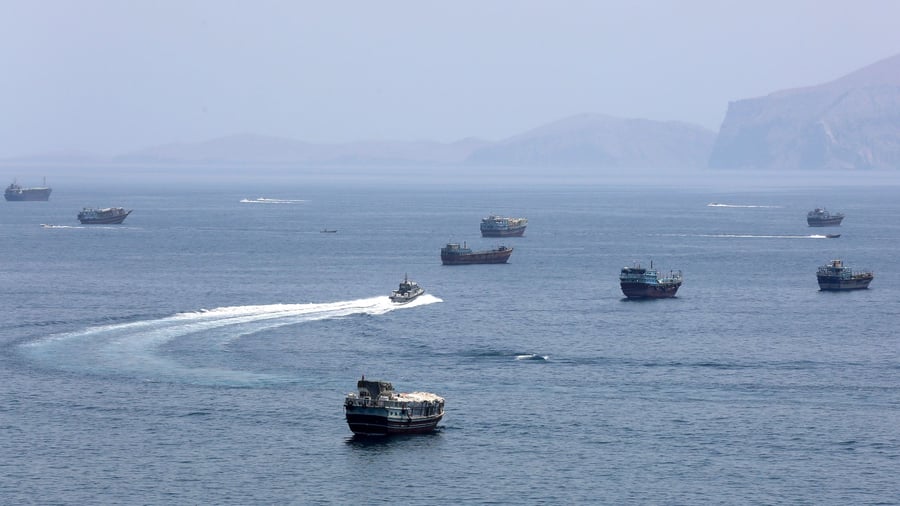
The Iran War has turned the passage through the Strait of Hormuz into a high-risk business. Rocket attacks, drones, and electronic warfare have disrupted shipping on the narrow waterway. Many shipping companies have abandoned the Persian Gulf. For those who continue, it presents a significant opportunity. Within months, freight rates for supertankers have multiplied.
What has become a life-threatening mission for crews is now the most profitable business for some owners since years. Among the companies that still navigate Hormuz despite the escalation, Greek shipping firms are predominant. They control around a quarter of the global tanker fleet and transport a substantial portion of oil exports from Saudi Arabia, Iraq, Kuwait, and the United Arab Emirates.
Pre-war, about one-fifth of all global oil trade passed through the Strait of Hormuz. Record rates for compensation against record risks The market responds to the growing uncertainty with extremely high prices. According to the Shanghai Shipping Exchange, rates for a Very Large Crude Carrier (VLCC) on the route from the Persian Gulf to China now amount to up to $286,000 per day. Before the outbreak of the Iran conflict, daily rates typically ranged between $25,000 and $50,000.
Written by urgent.news from Handelsblatt's reporting — not their text. Machine-written — may contain errors; check the original before relying on it.
Also reported by 1 other outlet
- Middle East: Waiting for an agreement on the Strait of Hormuz handelsblatt.com