States expand student loan options as new federal borrowing caps take effect — but they come with trade-offs
Some states — including Connecticut, Minnesota and Rhode Island — have expanded their own student loan programs amid new limits on federal borrowing.
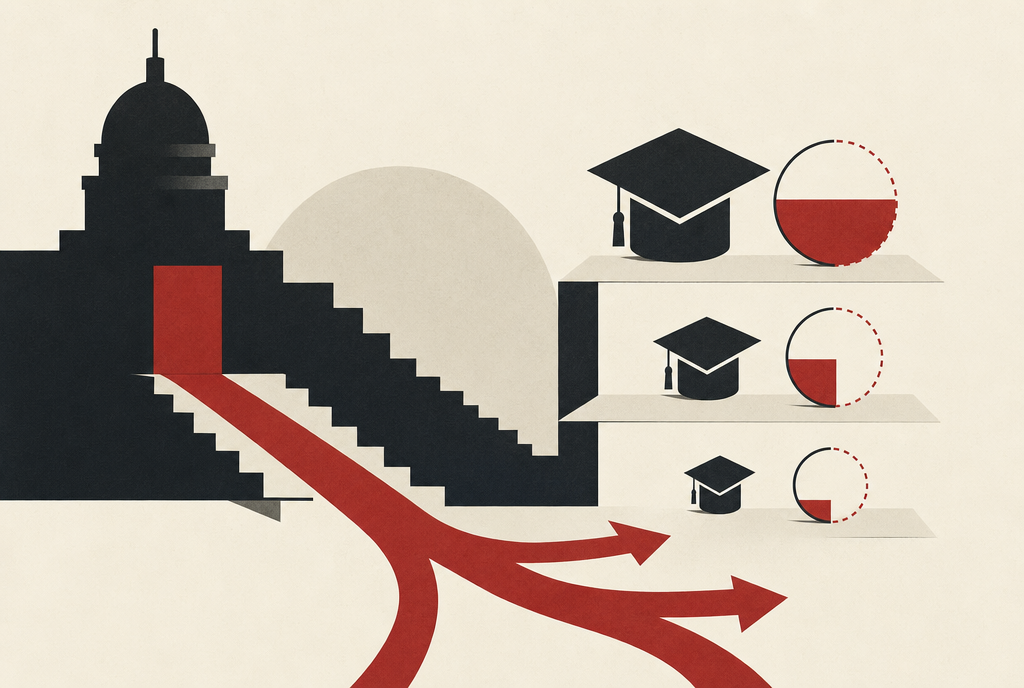
As federal student loan borrowing limits increase, states are stepping in to offer alternative loan options. However, these state-sponsored loans should not be seen as a direct substitute for federal loans. Consumer advocates warn that they function more like private student loans and should be approached with caution. Tiara Moultrie, a fellow at The Century Foundation, explains that the government label can mask the fact that state loans operate similarly to private credit products.
Interest rates on state education loans differ based on the state, degree program, and borrower qualifications. Some rates can reach nearly 10%, compared to the 8.07% rate for U.S. Direct Unsubsidized Loans. Pennsylvania's rates range from 3.29% to 10.5%. In contrast, private student loans can exceed 20% interest rates.
State loan programs often require a high credit score (typically above 700) or a co-signer to qualify. Co-signers take on equal financial and legal responsibility for the loan. While some state programs offer lower interest rates than private loans, they are excluded from federal relief options and protections. State loans also typically require a direct connection to the state, such as residency or attending a college/university within the state.
Borrowers should consider all available options and exhaust free aid like grants and scholarships before turning to state or private loans, as state loans may signal overborrowing.
Written by urgent.news from CNBC's reporting — not their text. Machine-written — may contain errors; check the original before relying on it.