Spanish North Africa enclave: search for more bodies off Ceuta continues
In the attempt of tens of thousands of people to reach the Spanish exclave of Ceuta and thus enter the EU, there have been many deaths. The police have so far recovered 67 bodies. The number could still rise.

In Ceuta, Spain, the return to normalcy is gradually taking place after an unprecedented influx of migrants caused chaos. Shops, cafes, and restaurants, initially closed due to the chaotic scenes, have reopened. The local people are now out and about, going shopping and enjoying the beaches. However, the political debate regarding the causes and consequences of the crisis, which resulted in dozens of deaths, is expected to continue for some time.
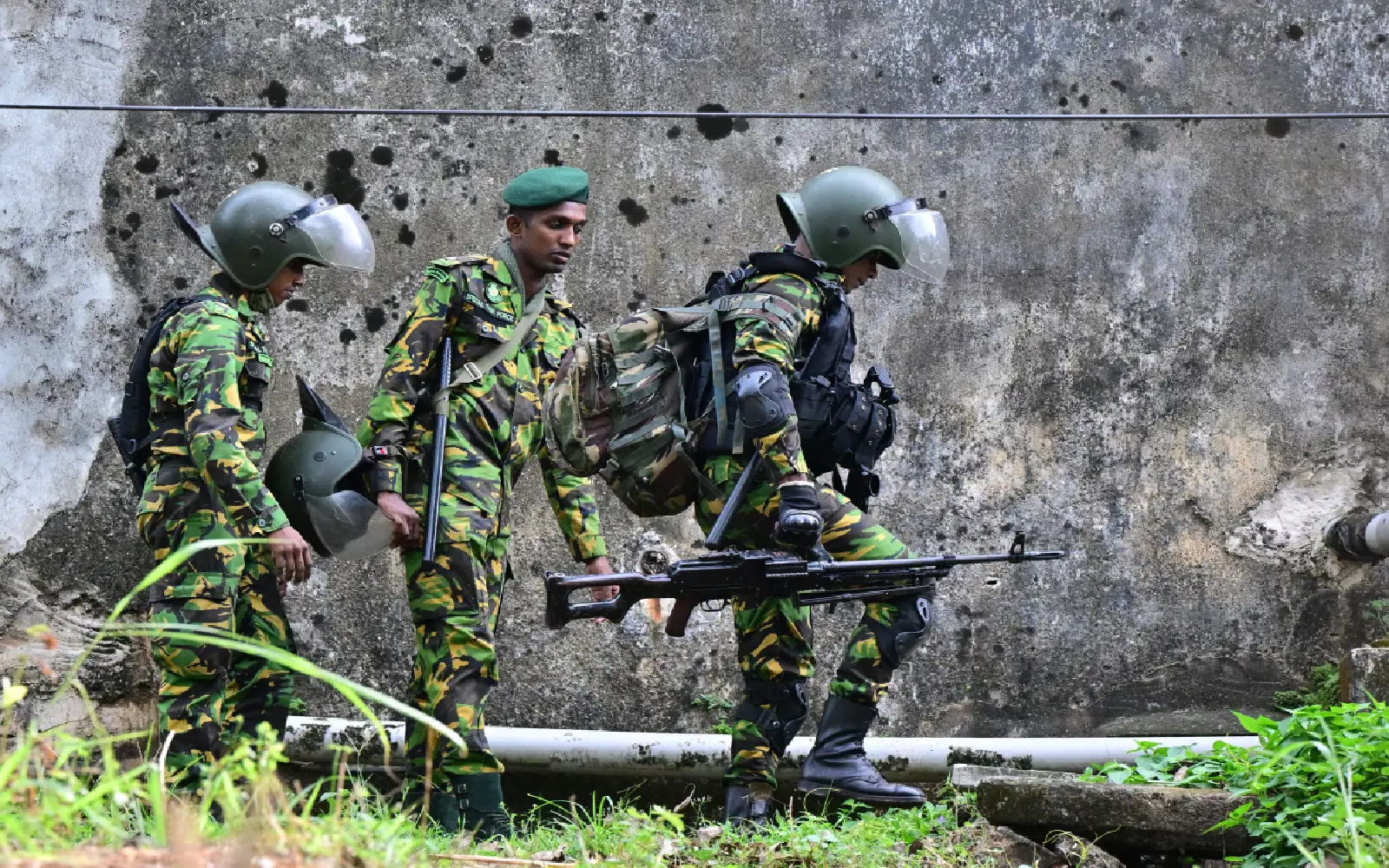
According to the Spanish government, most of the 50,000 to 60,000 people who arrived in the enclave from Morocco, primarily on Wednesday and Thursday, have returned. Ceuta continues to be patrolled by 3,000 security forces sent in response to the crisis, who are staying "as long as necessary," according to the interior ministry.
Some hundred new arrivals are still present in Ceuta, but the situation is reportedly calm. Attempts to reach the enclave by sea have not been observed. Regional President Juan Jesús Vivas paints a different picture, denying that normalcy has returned and estimating that thousands of migrants remain in Ceuta. Spanish Prime Minister Pedro Sánchez recently announced a 500-meter long inflatable barrier to be deployed in the waters near Ceuta, aiming to prevent migrants from reaching the enclave by sea.
The barrier, which can extend up to a meter underwater, is essentially an extension of the land border wall into the sea. The Ministry of the Interior claims it will also improve control and monitoring of the area, but some observers believe it addresses a legal gap created by a recent court ruling. The ruling stated that migrants arriving across an unguarded border section, such as the sea, are entitled to an individual assessment of their asylum claims.
Immediate rejection is only permissible if they have previously bypassed a fence or other barrier. The EU is intensifying its debate on protecting its external borders, with EU Foreign Minister Johann Wadephul expecting the EU Commission to prioritize this issue to avoid further jeopardy to the Schengen system. Meanwhile, EU Interior Ministers are set to discuss the crisis via video conference on Tuesday, as tensions between EU partners have become evident.
Several EU countries, including Italy and Denmark, have issued an open letter criticizing Spain's recent migration policies, indirectly accusing Madrid of sending undesirable signals.
Written by urgent.news from Handelsblatt's reporting — not their text. Machine-written — may contain errors; check the original before relying on it.