Solar powers record share of Britain’s electricity mix in July
Farms and rooftop panels contribute 14.4% to the grid – and figures reveal a surge in new installations Solar energy supplied more power to Great Britain’s grid in July than in any previous month as households turned to rooftop panels to cut their energy bills. Solar farms and rooftop panels provided 14.4% of the country’s electricity after some parts of the UK recorded almost twice the average…
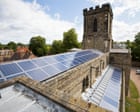
In July, solar energy generated a record-high 14.4% of Britain's electricity, surpassing the previous monthly record of 12.4% set in May, according to data from the National Energy System Operator (Neso). Farms and rooftop panels contributed to this surge, with some regions receiving almost double the average sunshine hours for the time of year. The increase in solar power is 50% higher than a year ago, when solar accounted for just 9.6% of generation.
The rise in solar installations follows a significant jump in new solar power installations in the first half of the year, with 142,536 solar installations recorded. This trend puts the country on track to break last year's record for solar additions. However, the majority of these new installations are on household rooftops, with smaller systems comprising slightly less than a third of the country's total solar power capacity.
Energy experts attribute the surge in solar power to the growing number of households installing solar panels to reduce their energy bills, as rising fossil fuel costs have driven up electricity expenses. Chris Hewett, CEO of Solar Energy UK, noted that solar energy has evolved from a minor player to a major contributor to the electricity mix. The increased solar power helped meet higher-than-usual demand for electricity during heatwaves, providing a positive impact by powering air-conditioning units and fans.
The UK's solar boom is part of a global trend, with households and governments increasingly turning to solar as a low-cost and local alternative to oil and gas. The largest operating solar project in the UK, Cleve Hill in Kent, with a capacity of 373 megawatts (MW), dwarfs the country's first solar farm, the 1.4MW Wheal Jane solar farm in Cornwall. However, a larger project, the 800MW Springwell solar farm in Lincolnshire, is expected to begin generating electricity by 2029.
Energy Minister Michael Shanks emphasized the benefits of generating more power domestically, stating that it reduces exposure to global energy price shocks and helps lower bills for families and businesses. The government's initiatives, including cutting VAT on energy bills, aim to provide relief for households during the winter months.
Written by urgent.news from Guardian Business's reporting — not their text. Machine-written — may contain errors; check the original before relying on it.