Scrapping Excess Weapons Is The Only Practical Road To Peace
The only path to security and stability is a concerted global effort to reduce both nuclear and advanced non-nuclear weapons.
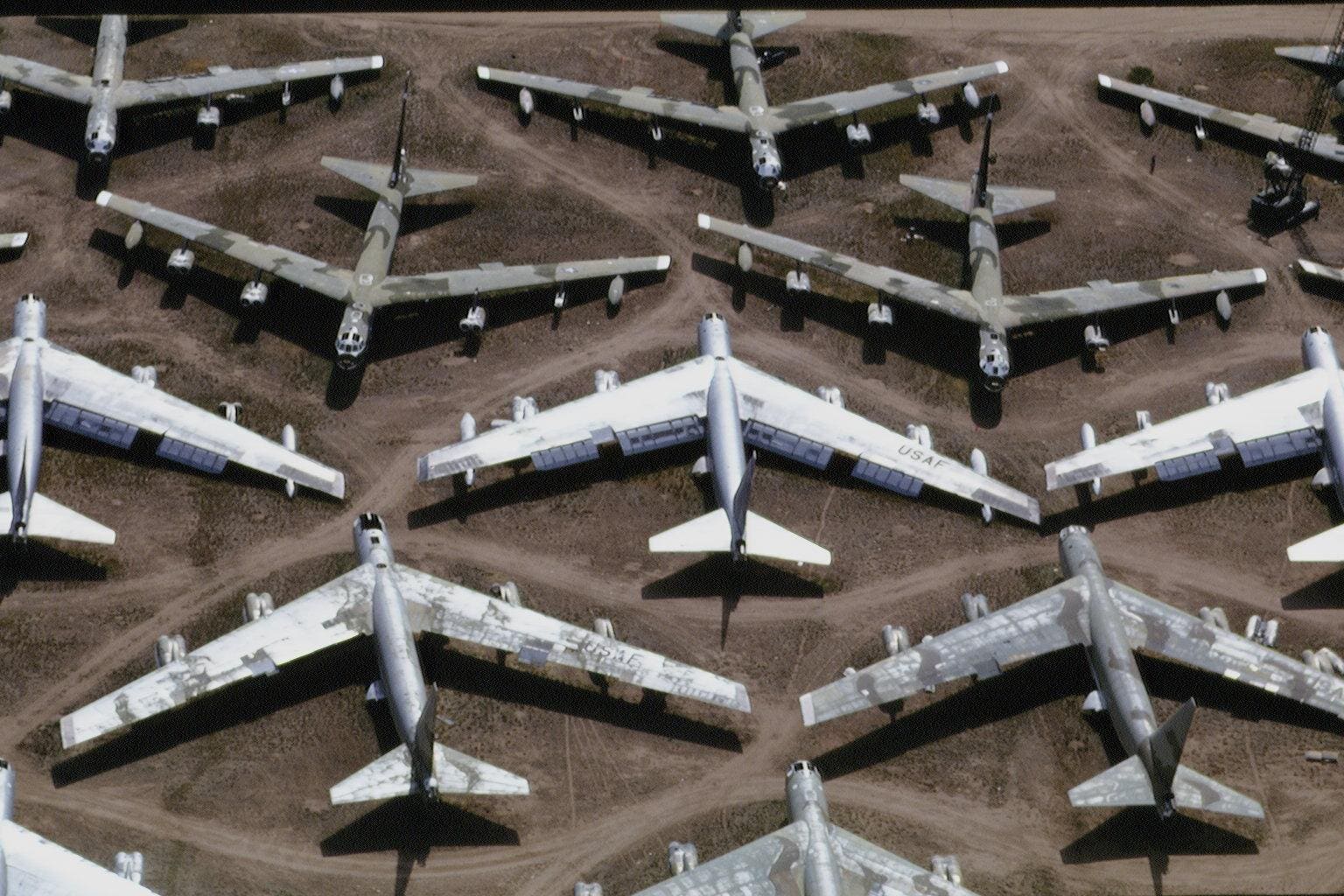
The world confronts a multitude of crises, from Middle East turmoil and a burgeoning nuclear arms race to AI-driven weaponry and economic turmoil, all fueled by a diminishing commitment to international norms. While each issue necessitates tailored solutions, the need for a comprehensive global strategy to foster peace and stability remains paramount.
This piece introduces SCRAP (Strategic Concept for the Removal of Arms and Proliferation), a proposal advocating for the total elimination of both nuclear and conventional weapons. This is vital because advanced conventional arms, such as drones, can cause immense destruction, and conventional ballistic missiles may be mistaken for nuclear ones, potentially triggering catastrophic escalation.
Moreover, US regime change initiatives against non-nuclear states exacerbate proliferation, as nations arm themselves with nuclear weapons for self-defense. Achieving genuine peace necessitates controlling both nuclear and conventional arsenals. Currently, the globe feels unmoored, reflecting the chaos it truly faces. Key challenges include an ongoing war in the Middle East, a new nuclear arms race, the deployment of untested AI-powered weapons, trade restrictions and tariffs disrupting economies, and a rising disregard for international agreements by multiple nations, spearheaded by the United States - the nation that founded many of these institutions.
Each of these problems has distinct origins and characteristics, requiring detailed understanding to mitigate or at least reduce their risks to humanity's future. However, a new framework is also urgently required to steer the overall effort towards a more peaceful, stable, tolerant, just, and joyful planet. While this may seem idealistic, the seeds of these solutions exist at the grassroots level - within families, friendships, and communities at the local and hyper-local levels.
The challenge lies in establishing a structure that mitigates diverse risks to life and livelihoods, and fosters these positive trends at national and international levels. This is a daunting task, but one that demands urgent attention. A key framework to guide this quest is SCRAP, a proposal to pursue the original UN objective of general and complete disarmament, targeting both nuclear and non-nuclear weapons.
For further exploration of the proposal, consult the SCRAP website. The fundamental aim is to build upon the UN's original goal of disarmament, addressing both nuclear and conventional weapons due to the escalating accuracy and destructive potential of non-nuclear arms, and the potential for non-nuclear weapons like drones to cause widespread devastation and fuel conflicts.
Historical evidence shows that the US, including during the Bush administration, has deployed conventional weapons armed with conventional warheads, such as submarine-launched ballistic missiles (SLBMs). The use of non-nuclear-armed SLBMs against a nuclear-armed nation could trigger a nuclear response if the target nation perceives it as a nuclear threat, given that all US SLBMs have historically been nuclear-armed.
Additionally, the US's history of regime change against nations aspiring to nuclear weapons, such as Iraq, Libya, and Iran, demonstrates that such actions may provoke proliferation rather than deter it. North Korea's leader, Kim Jong Un, possesses nuclear weapons, making him a potential target for a conventional US attack if his rule or life is threatened.
Thus, US policies aiming to change regimes in potential nuclear states may inadvertently encourage proliferation, as these nations see nuclear weapons as a means of protection against force. While reducing nuclear weapons alone may not guarantee peace and stability, it is unlikely to achieve this goal without also curbing the production and deployment of non-nuclear weapons.
In a forthcoming column, I will delve into the specifics of the SCRAP plan, examining its feasibility, practicalities, and potential obstacles.
Written by urgent.news from Forbes's reporting — not their text. Machine-written — may contain errors; check the original before relying on it.