Russia debuts anti-Starlink EW system that can blind terminals by overloading 'satellites' receiving antennas'
Russia unveiled Volna Kupol Garant, an electronic warfare system designed to interfere with Starlink satellites using directed radio transmissions from Earth.
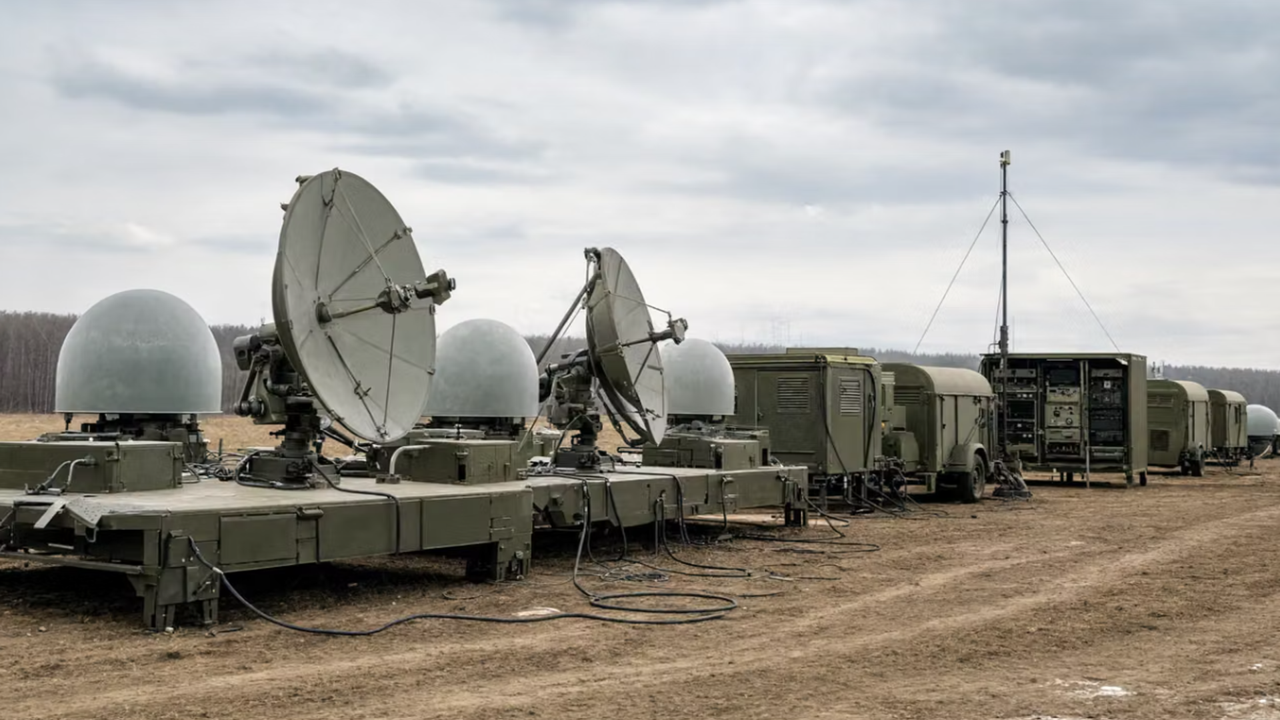
Russia has demonstrated an electronic warfare system called Volna Kupol Garant, engineered to disrupt Starlink satellite communications. The system operates by targeting satellites rather than interfering with ground communication terminals. Dubbed Volna Kupol Garant, the system directs concentrated radio signals towards Starlink satellites, disrupting their ability to receive transmissions from users within its operational range.
According to Russian officials, the directed radio signals overload the receiving antennas aboard Starlink satellites, temporarily preventing them from receiving signals from ground terminals.
The Volna Kupol Garant system utilizes a narrow-beam high-frequency radio signal, distinct from conventional electronic warfare systems. When activated, the system generates interference across eight Starlink data transmission bands, each 62.5 MHz wide, using a directional phased-array antenna system. This system reportedly can disrupt and potentially disable spacecraft operations.
The modular battlefield design allows for flexibility in deployment, providing tactical coverage up to 20 square kilometers. However, the installation's size could make it more visible to electronic intelligence assets due to numerous exposed antennas.
The development of Volna Kupol Garant is likely to pose challenges for satellite communications within affected areas, particularly for the United States and Ukraine. This comes at a time when both nations are contemplating potential conflicts that may extend into space. While the system's deployment has not been independently verified, it underscores Russia's aggressive approach to defending its satellite capabilities, given their critical role in modern warfare, including communications, intelligence gathering, navigation, and unmanned military operations.
Written by urgent.news from TechRadar's reporting — not their text. Machine-written — may contain errors; check the original before relying on it.