Psilocybin increases brain flexibility and shifts information flow weeks after use
A single dose of psilocybin can alter brain communication for up to a month. New research suggests the psychedelic increases brain flexibility and shifts information flow, offering clues to its lasting effects on mental health.
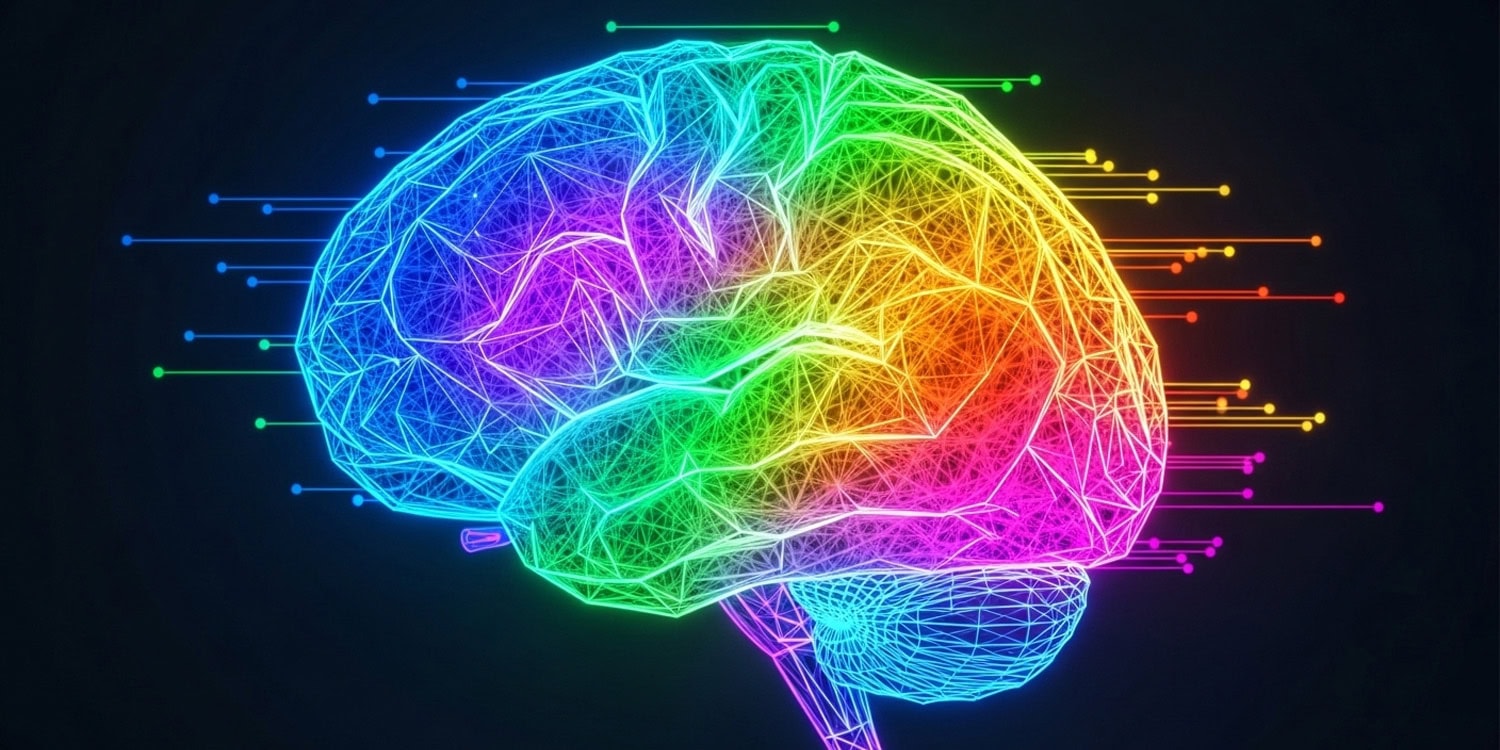
A recent study published in Human Brain Mapping indicates that a single high dose of psilocybin, the active compound found in "magic mushrooms," can alter brain circuitry and shift information flow weeks after its use. Researchers employed computational models to analyze brain scans, discovering that the brain becomes more flexible and transitions from top-down control to bottom-up sensory processing.
This long-term change in brain dynamics may contribute to psilocybin's potential in alleviating symptoms associated with mental health conditions like depression, anxiety, addiction, and eating disorders. Psilocybin's primary target in the brain is the serotonin receptor 5-HT2A, which induces the immediate psychedelic effects. While the acute phase of psilocybin use is well-understood, less is known about how the brain reorganizes itself weeks after the drug's effects subside.
The study focused on fronto-striatal-thalamic circuits, which connect the frontal lobes responsible for complex decision-making to deeper brain regions involved in reward, motivation, and sensory processing. The researchers recruited 25 healthy adults without prior psychedelic drug use, measuring their mental well-being via brain scans and surveys.
After receiving a low-dose psilocybin control and a high-dose psilocybin administration, participants underwent brain scans and well-being surveys at four-week intervals.
Brief written by urgent.news from PsyPost's own syndicated text. Machine-written — may contain errors; check the original before relying on it.