PERFECT STORM: Climate change is accelerating the spread of infectious diseases, warns expert
As floods intensify, wildfires spread rapidly, and droughts drag on longer and longer, vulnerable communities face increased risks of being infected with communicable diseases.
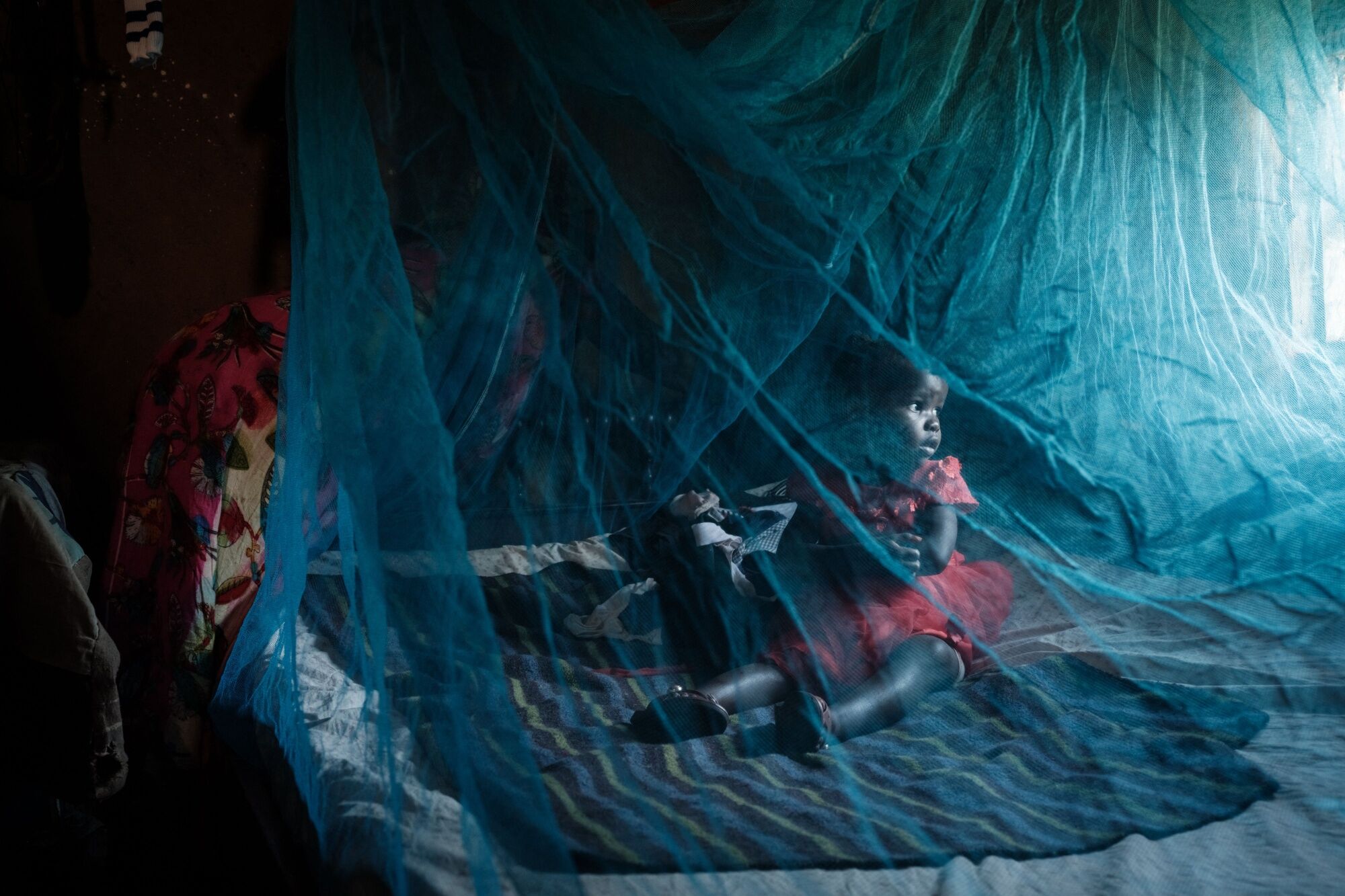
Climate change is causing a rapid acceleration of infectious diseases, according to Professor Helen Rees, executive director of the Wits Reproductive Health Institute. During a lecture at the University of Witwatersrand, Rees warned that climate change creates the perfect storm for the spread of diseases such as dengue fever, chikungunya, and malaria.
Rees explained that four factors contribute to the spread of climate-accelerated infectious diseases. First, climate hazards bring people closer to pathogens as rising temperatures, changing rainfall patterns, and environmental degradation alter the habitats where disease carriers can survive. Mosquitoes that transmit malaria, dengue, chikungunya, and Zika are expanding their range to higher altitudes and latitudes due to warming temperatures.
Additionally, climate change extends the transmission seasons, allowing pathogens to remain active for longer periods each year.
The second mechanism involves human movement. Disasters like floods, storms, droughts, and sea-level rise force communities to relocate, often into overcrowded settlements with inadequate sanitation. This increases exposure to infectious diseases. Simultaneously, environmental degradation pushes people deeper into wildlife habitats, increasing the risk of pathogens spilling over from animals into humans.
Climate change also influences wildlife migration, altering the behavior of migratory birds and increasing contact between wild birds, commercial poultry, and livestock. This contact heightens concerns about highly pathogenic avian influenza (H5N1). While H5N1 is not directly caused by climate change, it is spreading more easily due to environmental conditions created by climate change. Global travel and trade further facilitate the rapid movement of pathogens across borders once transmission begins.
The third factor is the strengthening of pathogens. Warmer temperatures accelerate mosquito development and increase their biting frequency. Floods create abundant breeding sites for mosquitoes, while warming oceans encourage the growth of harmful bacteria and algae. Southern Africa's worsening cholera outbreaks serve as an example of this mechanism. Cyclone-driven floods damaged water infrastructure, contaminated drinking water supplies, and displaced thousands of people, creating ideal conditions for cholera to spread.
Finally, vulnerability plays a crucial role in the spread of infectious diseases. Climate-related food insecurity, malnutrition, heat stress, damaged healthcare infrastructure, and disrupted water supplies reduce people's ability to resist infection. Rees cited the recent Ebola outbreak in the Democratic Republic of the Congo as an example of the "perfect storm."
Factors such as deforestation, mining activity, changing bat habitats, wildlife displacement, food insecurity, weak health services, poor disease surveillance, and conflict all contributed to the rapid spread of the virus.
To build resilience against the increasing threat of climate-accelerated infectious diseases, Rees emphasized the need for scientific advances and investment from governments and research institutions. By integrating these strategies, it may be possible to reduce future risks and protect vulnerable communities from the devastating impact of infectious diseases exacerbated by climate change.
Written by urgent.news from Daily Maverick's reporting — not their text. Machine-written — may contain errors; check the original before relying on it.