Mirrorless cameras made photography different, not easier
Mirrorless cameras made photographer more accessible but it doesn't mean everyone is suddenly great at it. The post Mirrorless cameras made photography different, not easier appeared first on Amateur Photographer .
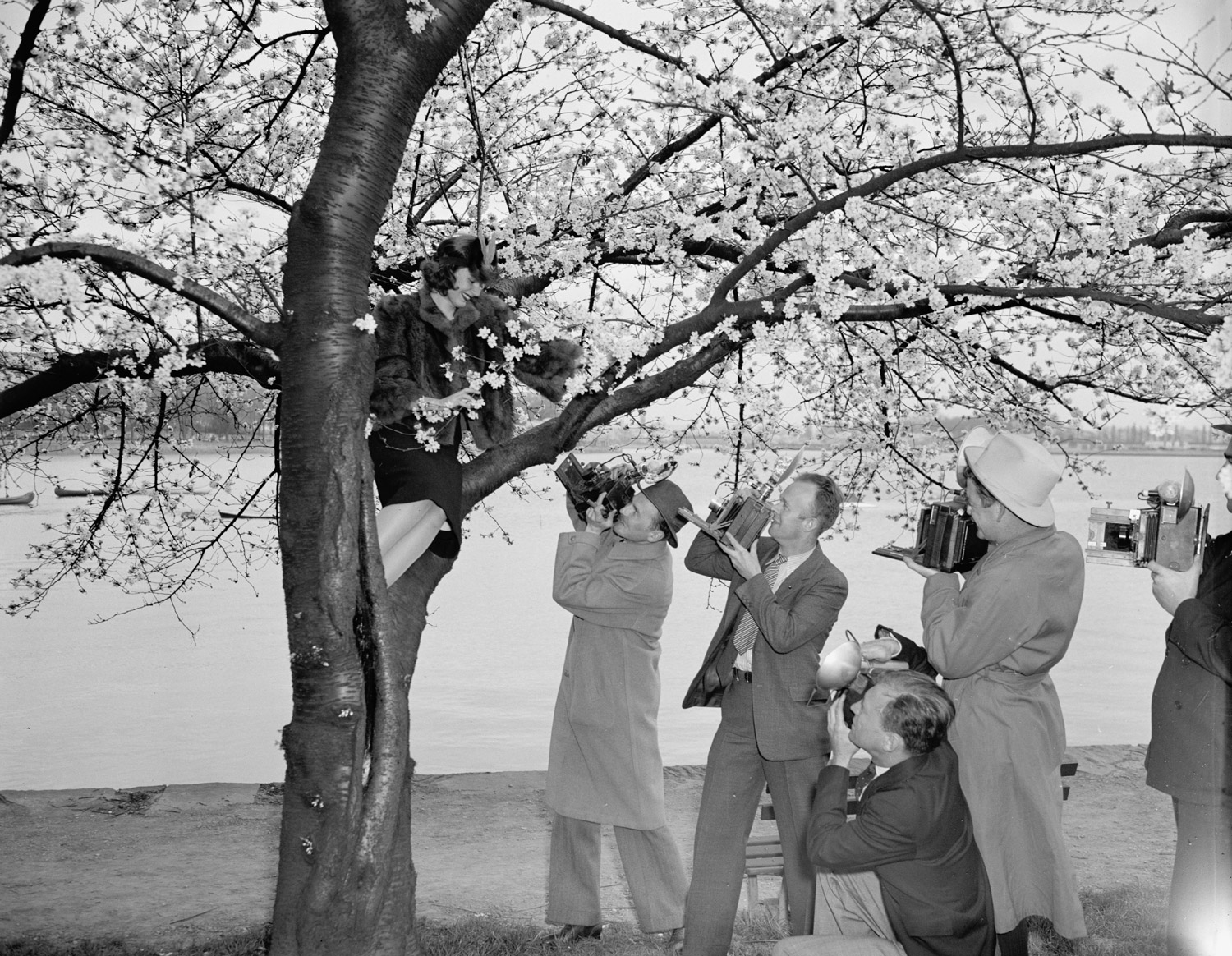
Photography has long been subject to a cyclical argument, with each technological breakthrough met with excitement and skepticism. Supporters herald the latest innovations while skeptics lament the decline of the craft. The debate revolves around the belief that as cameras become smarter, photographers become less essential. However, this theory is nothing new and has been recycled for decades.
The misconception lies in assuming that due to the increased ease of photography, it has become less demanding. In reality, technology has not diminished skill; instead, it has shifted the focus away from technical prowess and towards the photographer's ability to discern what is worth capturing. Cities, fashion, and social media have contributed to a homogenized visual landscape, making it increasingly challenging to produce unique and memorable photographs.
Historically, photographers distinguished themselves through technical mastery, but today, even the most technical aspects are handled by the camera itself. It is not the absence of skill that has changed, but rather the value placed on it. The hardest part of photography is no longer learning how to press the buttons but rather understanding what is worth pressing them for.
While cameras can recognize subjects, they cannot comprehend emotions or the deeper meaning behind a moment. Photographs that have shaped history are remembered for their authenticity and ability to capture something truthful, unexpected, or profoundly human. In an era where AI can produce technically flawless images with ease, authenticity has become increasingly valuable. People are no longer asking what camera was used but rather if the image truly represents reality.
Written by urgent.news from Amateur Photographer's reporting — not their text. Machine-written — may contain errors; check the original before relying on it.