LANGUAGE, MIGRATION OP-ED: Why linguistic profiling in an era of migration and tension makes no sense
When a voice is used as an informal test of belonging, it indicates a broader global challenge that is socially divisive.
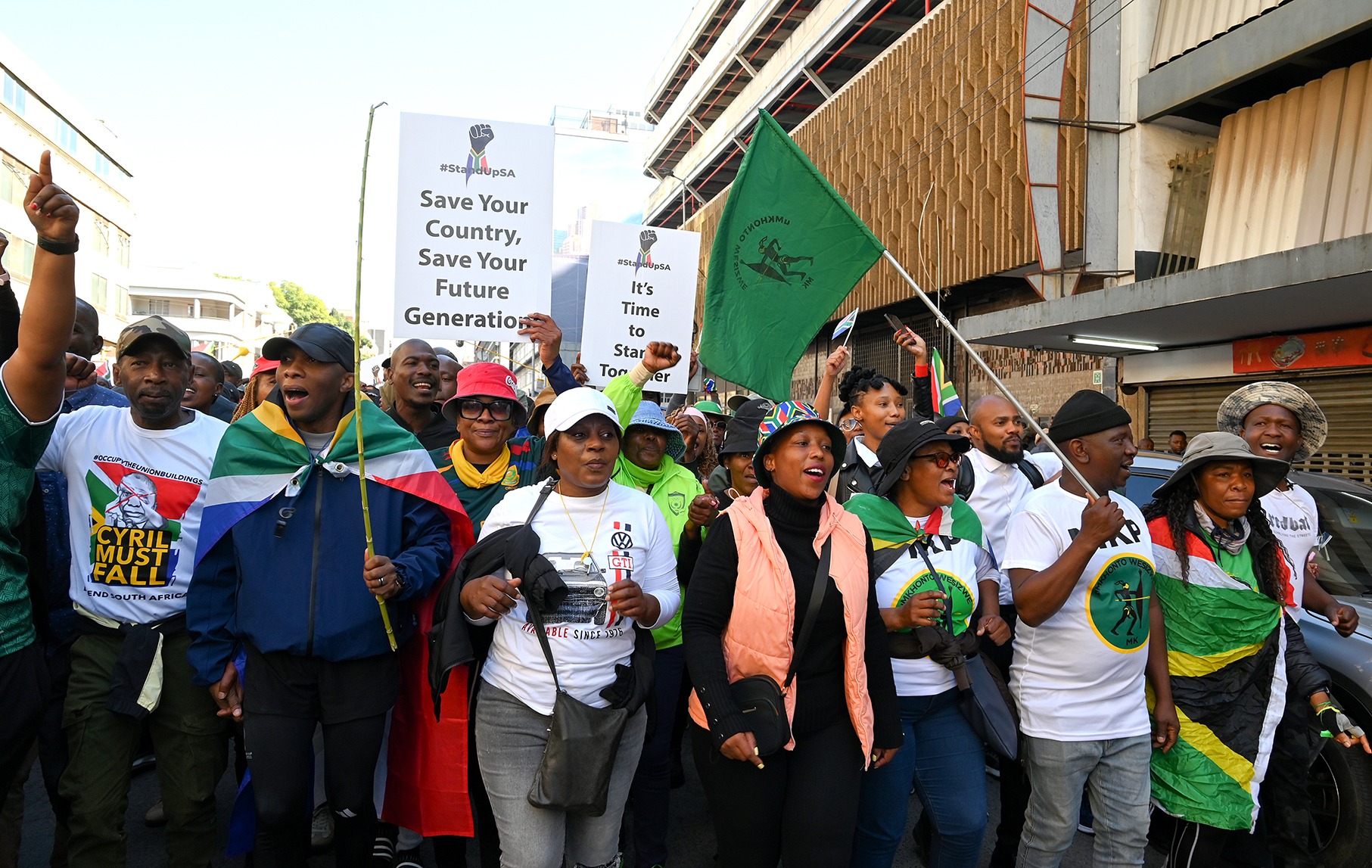
Linguistic profiling in South Africa's current migration landscape raises important human rights and governance issues, but it is not a valid solution. Using accent or language as a means to determine someone's identity is inaccurate, legally problematic, and socially divisive. In a country that values multilingualism, equality, and freedom of movement, treating language as a measure of nationality contradicts these principles.
Language does not align neatly with political borders, as it evolved through migration, trade, conquest, and cultural exchange, long before modern nation-states were established.
The Nguni languages of South Africa, such as isiZulu, isiXhosa, isiNdebele, and siSwati, originated from Bantu-speaking communities that migrated from East and Central Africa over several centuries. Similarly, languages like Setswana, Sesotho, and Sepedi have spread across borders due to historical movements and interactions. Even within South Africa, urbanisation, labour migration, and apartheid-era forced removals have blurred geographical language boundaries.
Colonial borders drawn during the Berlin Conference in the late 19th century further complicated linguistic geographies by disregarding existing cultural and linguistic patterns. Many African language communities are now spread across multiple countries, but their languages remain essential to their identities. Reducing identity to someone's speech risks undermining the democratic values that South Africa's constitution seeks to uphold.
Written by urgent.news from Daily Maverick's reporting — not their text. Machine-written — may contain errors; check the original before relying on it.