Crisis on North Africa's coast: Ceuta crisis intensifies debate on EU border protection
In the Spanish exclave, normality is slowly returning after a veritable rush of tens of thousands of migrants. However, criticism of border protection is growing in the EU. Germany is also calling for improvements.
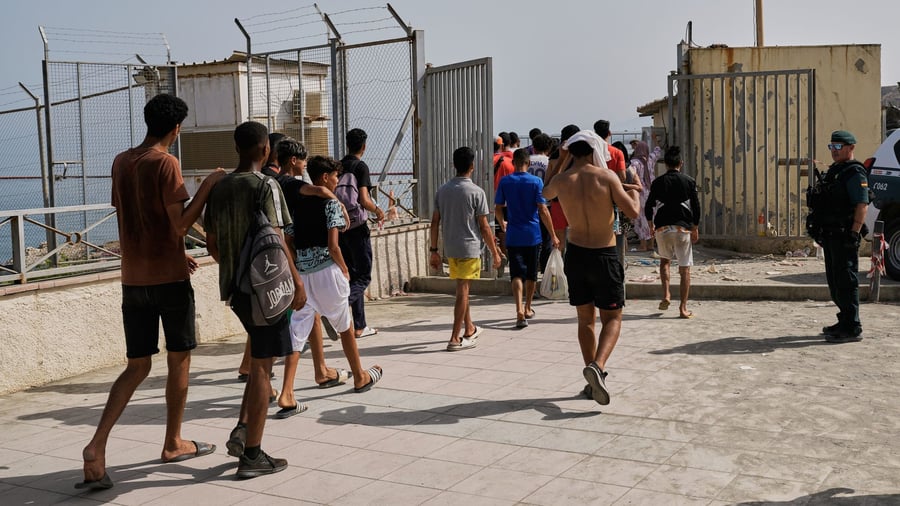
Ceuta, a Spanish enclave in North Africa, is regaining a semblance of normalcy after an unprecedented surge of migrants. Businesses, cafes, and restaurants that were once closed due to chaotic scenes have reopened, with residents strolling along the streets carrying shopping bags and families playing with children at the beaches, according to state broadcaster RTVE.
However, the political debate over the causes and consequences of the crisis, which resulted in dozens of deaths among migrants, is expected to continue. According to the Spanish government, most of the 50,000 to 60,000 people who arrived via Morocco primarily on Wednesday and Thursday have returned. Ceuta still has 3,000 security forces patrolling, and they are expected to remain "as long as necessary," according to the Ministry of the Interior.
Despite the efforts to restore calm, some hundred newcomers are still present, though the situation is described as peaceful by RTVE. Attempts to enter Ceuta by sea have not been observed, with no hundrds of new arrivals making it to the enclave. Regional President Juan Jesús Vivas paints a different picture, disputing the notion of normalcy and estimating that "thousands" remain in Ceuta.
He belongs to the conservative People's Party (PP), and he accuses the leftist central government of being solely responsible for the influx, referring to it as an "invasion." Some migrants continue to hide in Ceuta, while others have taken refuge in side streets, parks, and even under streetwalks. Some of them, like 20-year-old Humad and his 17-year-old friend Hachim, are seeking a better life as they have relatives in Marocco who need medical care.
However, others, like Mohamed, have tragically perished, drowning about 30 meters from the shore as they tried to swim past the border fence. At least 72 deaths have been recorded, with rescue teams still searching the sea for more bodies.
Written by urgent.news from Handelsblatt's reporting — not their text. Machine-written — may contain errors; check the original before relying on it.