Japan is launching its first centralized intelligence agency since WWII. Here’s why
Japan is launching a new centralized intelligence body for the first time since World War II – a controversial move that some fear deviates from Tokyo’s pacifist ideals, but one others say is much needed in a country so riddled with security weaknesses it has been called a “paradise for spies.” The National Intelligence Bureau … The post Japan is launching its first centralized intelligence…
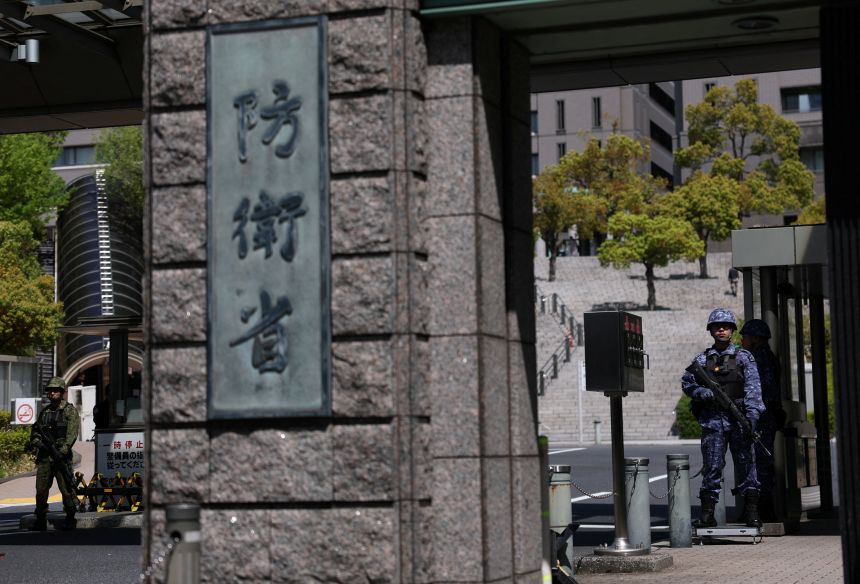
Japan is preparing to launch its first centralized intelligence agency since World War II, a move that has been met with mixed reactions. Critics argue that this new National Intelligence Bureau deviates from Japan's traditional pacifist stance, while supporters contend that it is crucial given the country's numerous security vulnerabilities. The agency, set to formally launch on Friday, will replace the disjointed and ineffective previous structures that have been criticized for years.
Prime Minister Sanae Takaichi, who has been advocating for intelligence reforms since her election in October, sees the new body as just the beginning of broader changes. She emphasized that the measures are in response to an increasingly unstable global situation and the need to address new methods of warfare. Takaichi has been actively seeking advice from Western partners, including the US, Australia, and Germany, to strengthen Japan's intelligence capabilities.
The new National Intelligence Bureau will supersede the Cabinet Intelligence and Research Office (CIRO), which currently has around 700 employees but lacks authority. Other intelligence teams scattered across various government ministries will also be integrated under this new entity. Unlike its predecessors, the National Intelligence Bureau will be required to share information and collaborate more effectively, thanks to its elevated status.
One of the most significant aspects of the National Intelligence Bureau is its expanded scope of national intelligence, which now includes counterterrorism efforts, national emergency response, and combating foreign intelligence activities such as espionage and covert influence operations. This change comes at a time when Japan, despite being an advanced country, has significant weaknesses in its security infrastructure.
Notably, Japan does not have its own foreign intelligence service, which is unusual among major allies like the UK, Australia, Canada, and New Zealand. Additionally, the absence of anti-espionage laws means that foreign spies and local informants can gather information within Japan without legal repercussions.
Written by urgent.news from Egypt Independent's reporting — not their text. Machine-written — may contain errors; check the original before relying on it.