I spoke to a hearing expert to find out the best ways to protect your kids' hearing — from headphones to listening limits
Protecting your little one's hearing takes everything from kid-friendly headphones to appropriate settings. An expert told Tom's Guide how.
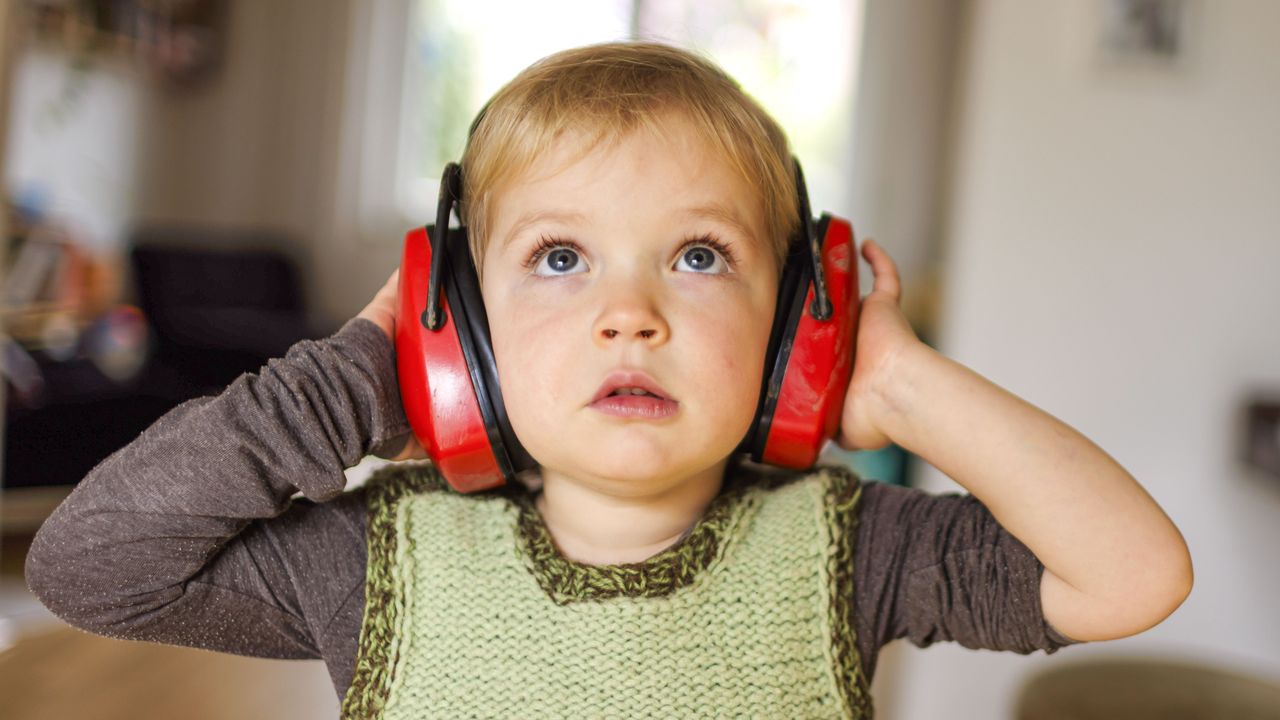
As the summer road trips wind down and back-to-school preparations take hold, the convenience of headphones during commutes or for focused schoolwork becomes a necessity. While handing over used headphones or opting for inexpensive ones from local stores might seem like a practical solution, these devices may pose a greater risk than anticipated due to their lack of volume control, potentially leading to irreversible hearing loss in children.
To ensure the safety of children's hearing, it is essential to explore safer alternatives. Hearing experts and manufacturers of kid-friendly headphones have shared their insights on how volume-limiting headphones can aid parents in safeguarding their children's hearing and offer additional tips for maintaining optimal hearing health.
The world is inherently noisy, exposing individuals to various sounds that can accumulate over time and result in noise-induced hearing loss. Organizations such as OSHA and the World Health Organization recommend a safe listening level of 85 decibels for industrial environments, which translates to an eight-hour time-weighted average.
According to the American Academy of Audiology, even brief exposure to levels exceeding this threshold can lead to permanent hearing impairment, necessitating the use of hearing protection, particularly when the duration of exposure is extended.
For children, the recommended exposure level is even more cautious, falling within the range of 75 to 80 decibels for adults. Kaitlyin Kennedy, an audiologist and member of the Academy, emphasized that the use of headphones among teenagers has become increasingly prevalent in recent years, with a recent study by the University of Michigan in 2024 revealing that more than half of children aged 5-12 own personal audio devices and utilize them for at least an hour each day.
Kennedy highlighted that the effects of hearing loss, whether genetic or caused by noise exposure, accumulate over time, emphasizing that a single instance of exposure is unlikely to cause damage, but multiple instances can lead to significant issues.
Fortunately, headphone manufacturers have introduced volume-limiting features to mitigate potential harm. Many kids-friendly headphones available in the market now incorporate volume caps, restricting the audio output to a predetermined decibel level. iClever, for example, has implemented volume limits of 80 decibels for a majority of its headphones, adhering to the EU EN50332-1 standard and WHO recommendations.
Despite these limitations, iClever headphones have been noted for their superior audio quality, even though they may not boast exceptional noise-canceling capabilities or long battery life.
Another company, Puro Sound Labs, has taken a proactive approach by deliberately capping the volume of all their headphones at 85 decibels. Founded by Dave Russell, who created the product after his daughter suffered noise-induced hearing loss attributed to excessive headphone use, Puro Sound Labs prioritizes ear safety alongside premium aesthetics.
The headphones are designed to withstand the rigors of daily use by children while maintaining excellent sound quality. Priced at $99, these headphones offer durability and parental reassurance, making them an ideal choice for families seeking to protect their children's hearing in the long run.
Written by urgent.news from Tom's Guide's reporting — not their text. Machine-written — may contain errors; check the original before relying on it.